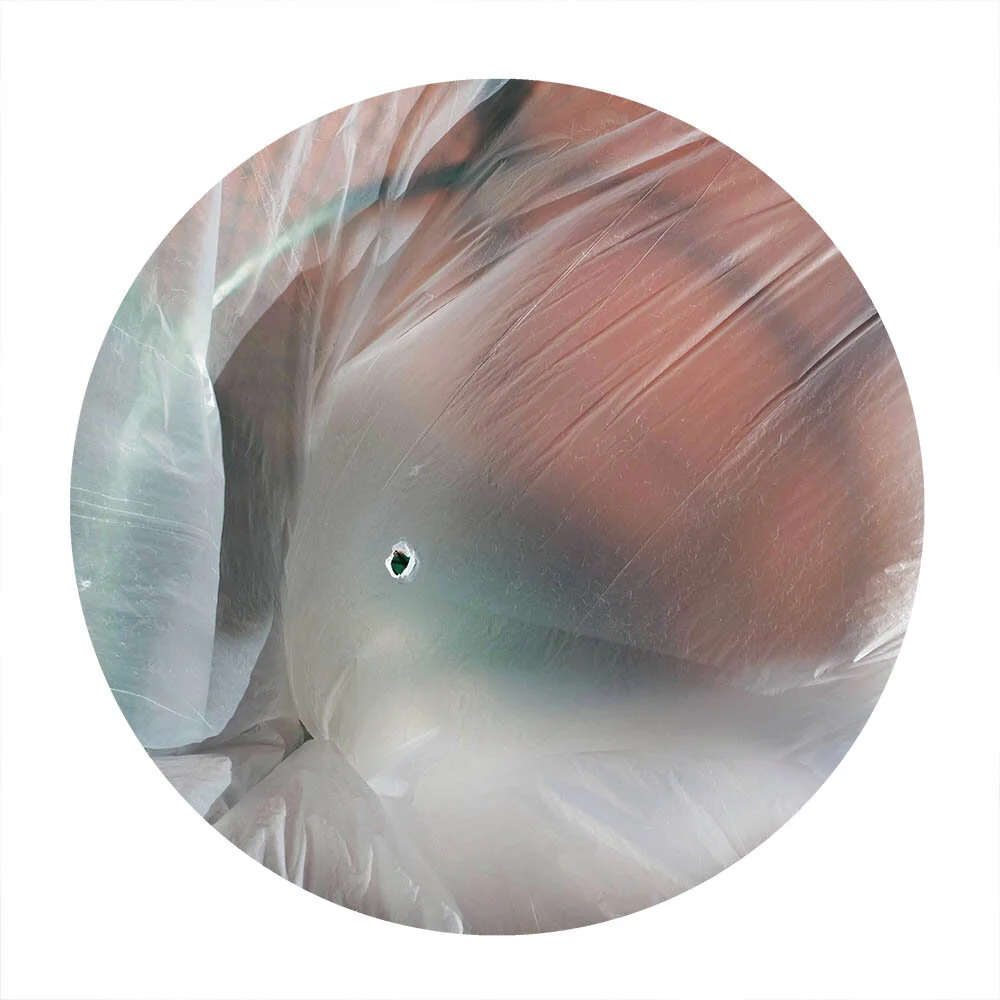
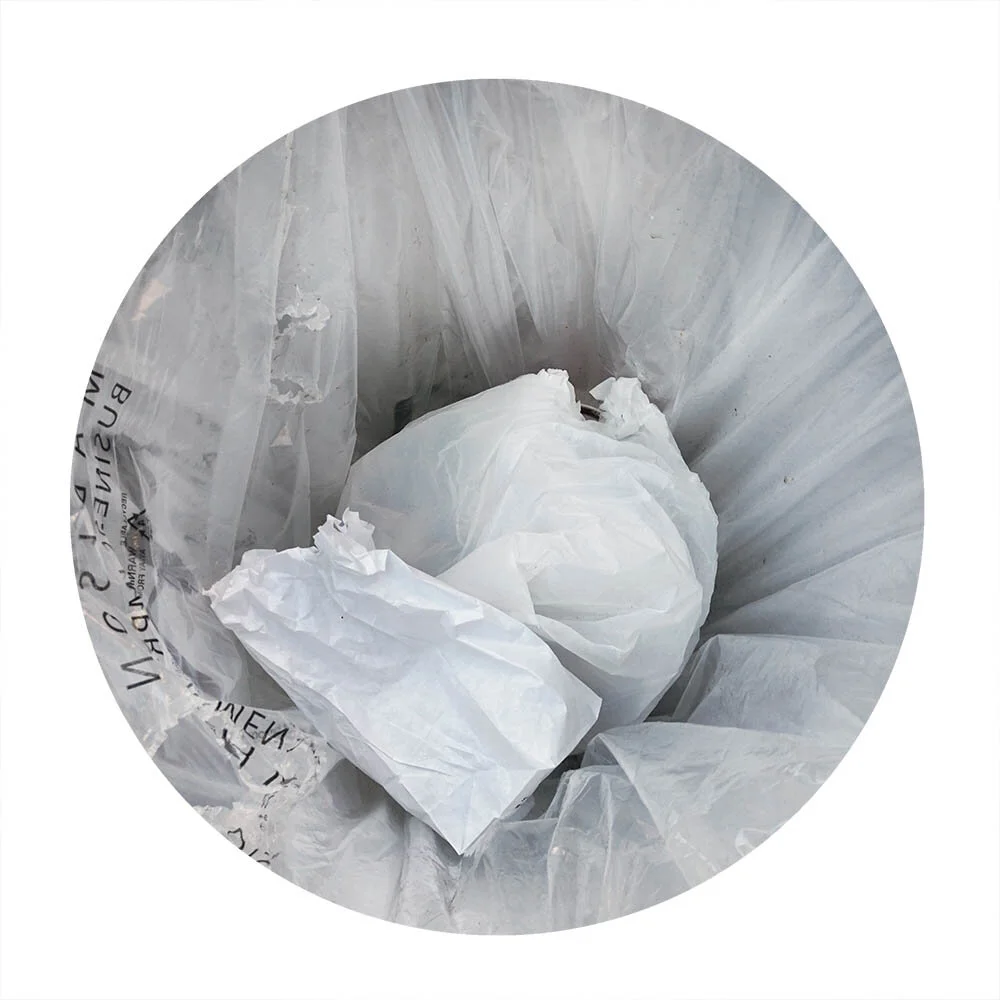
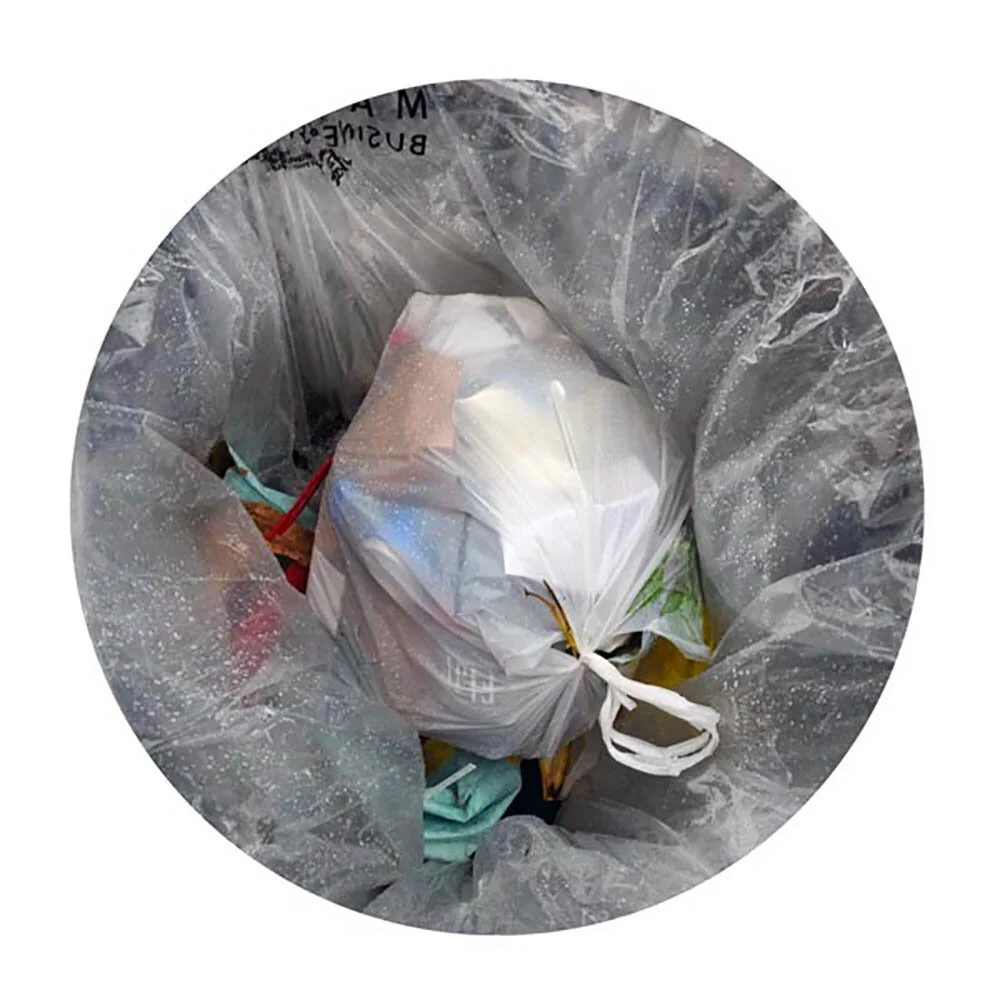
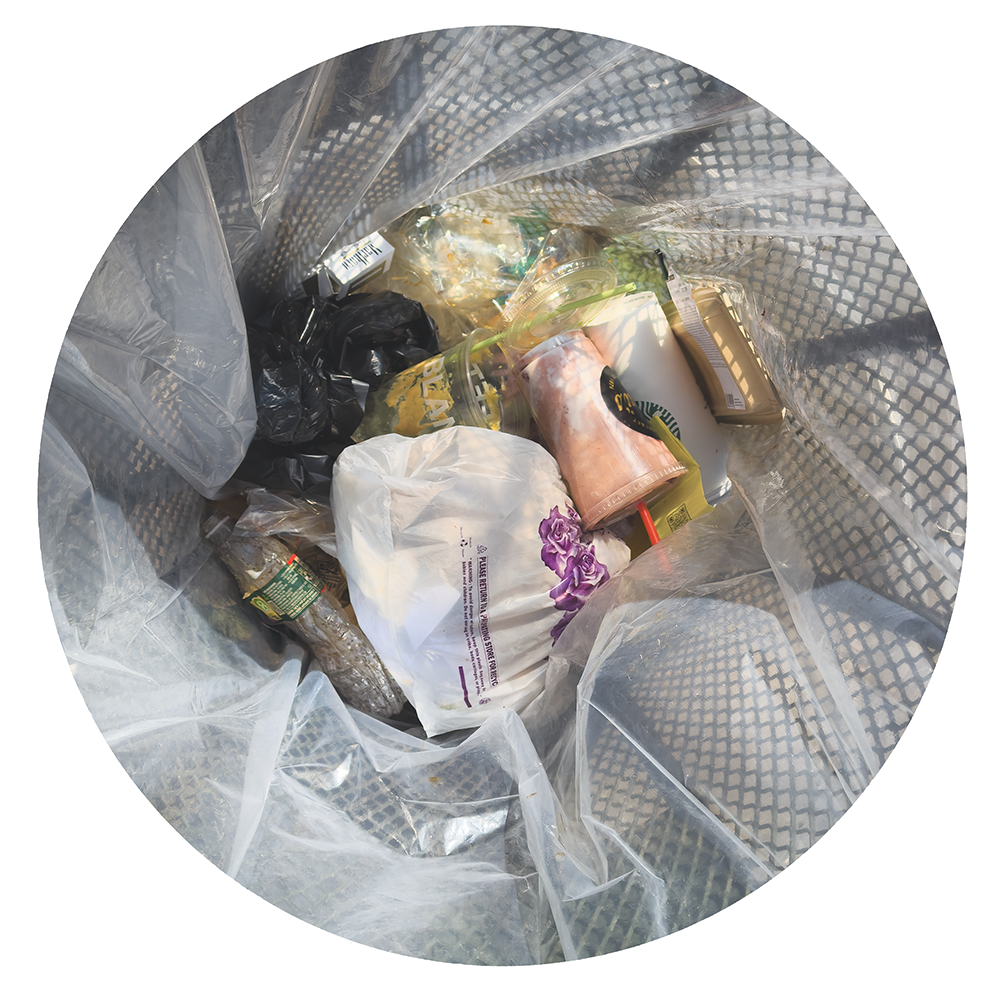
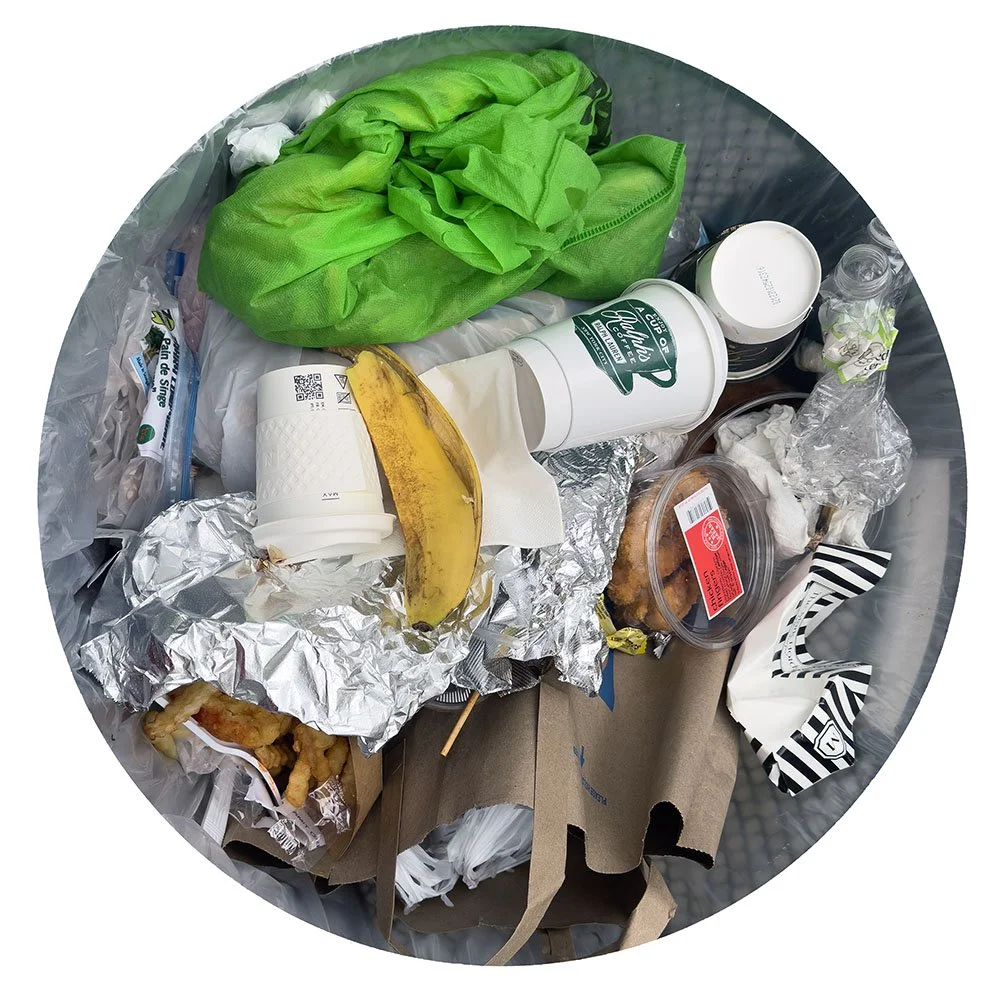
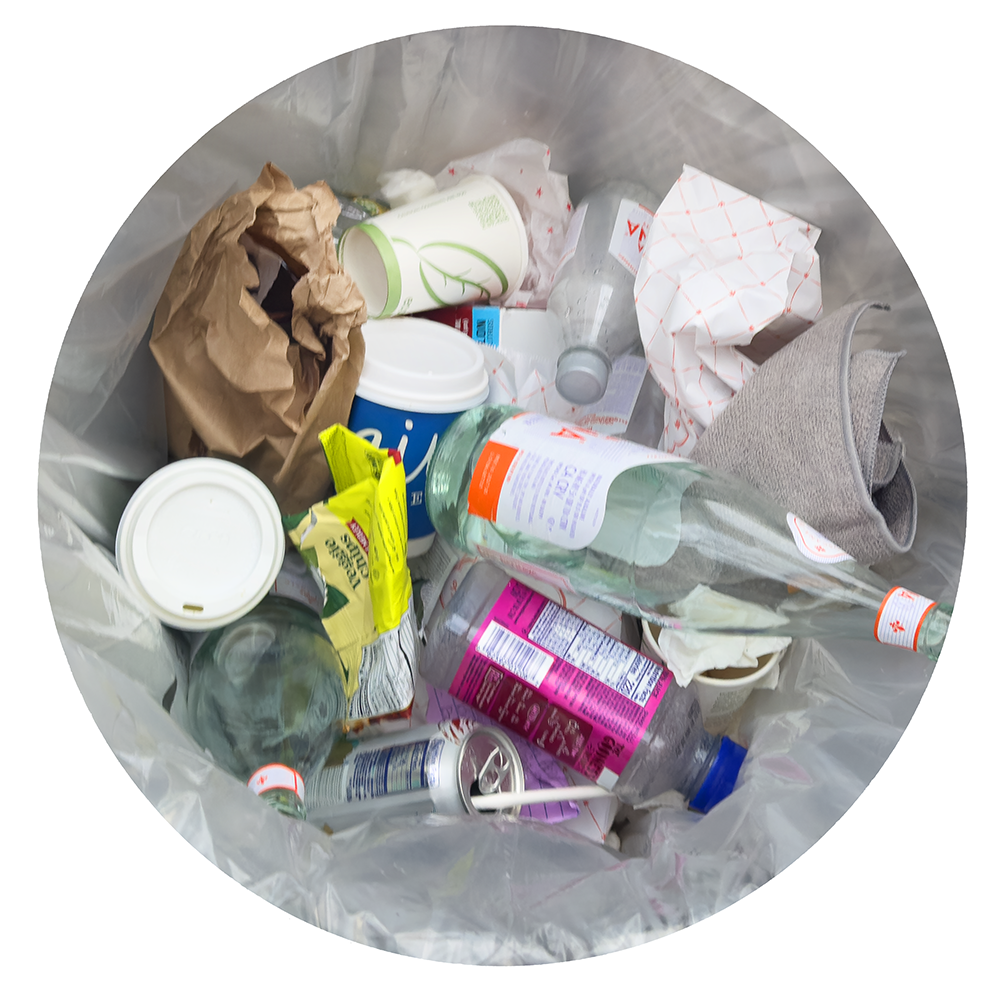
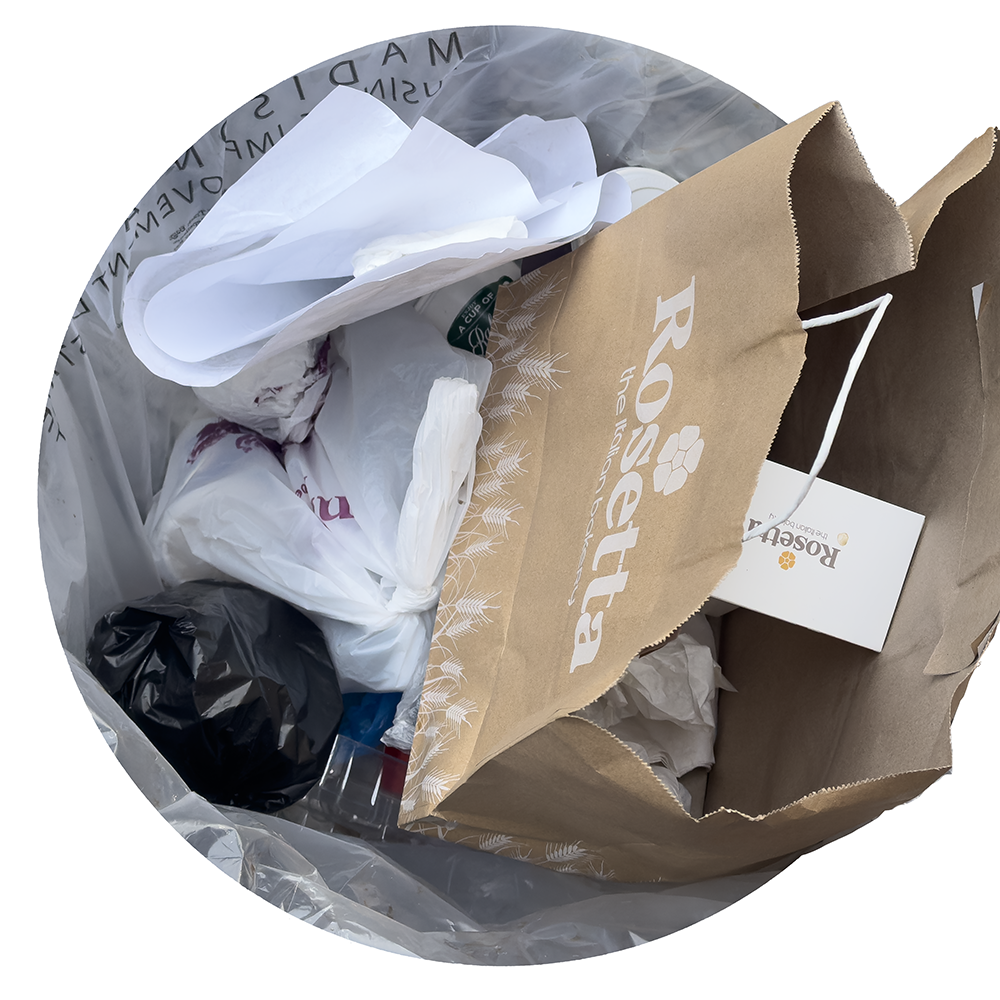
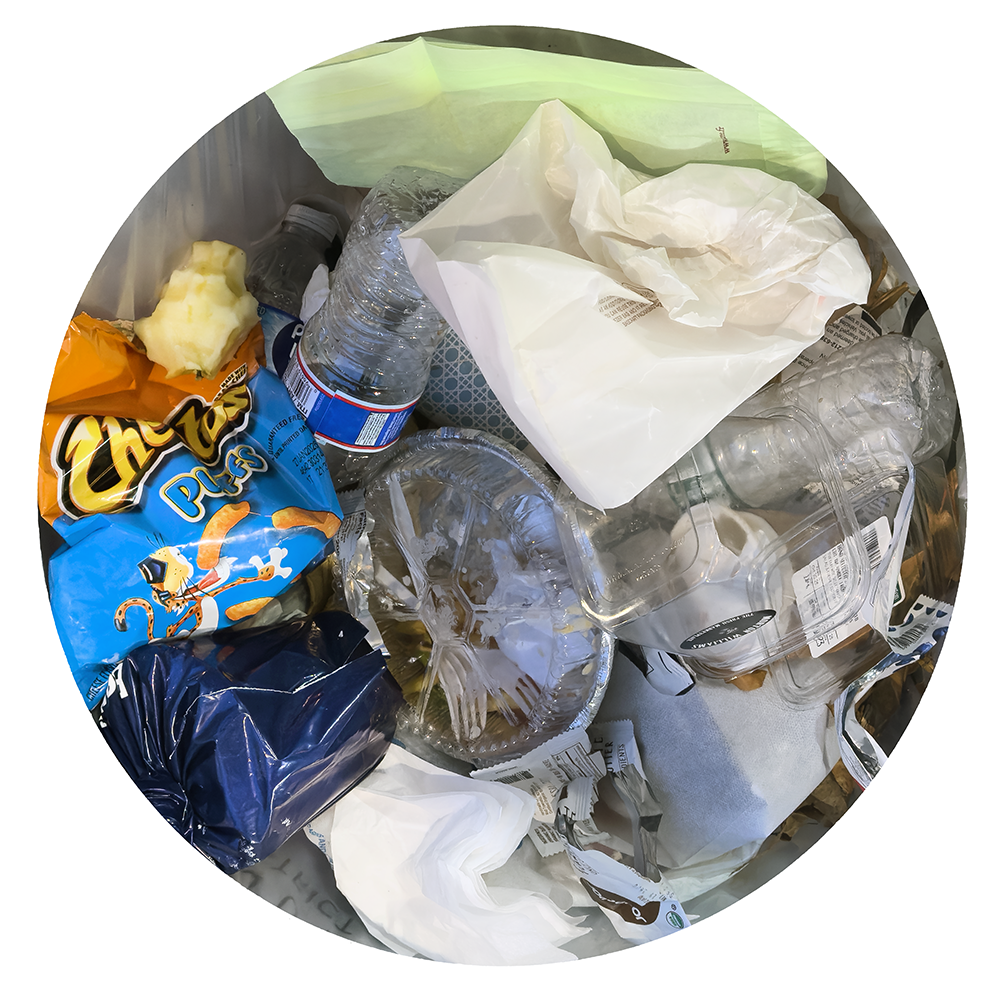
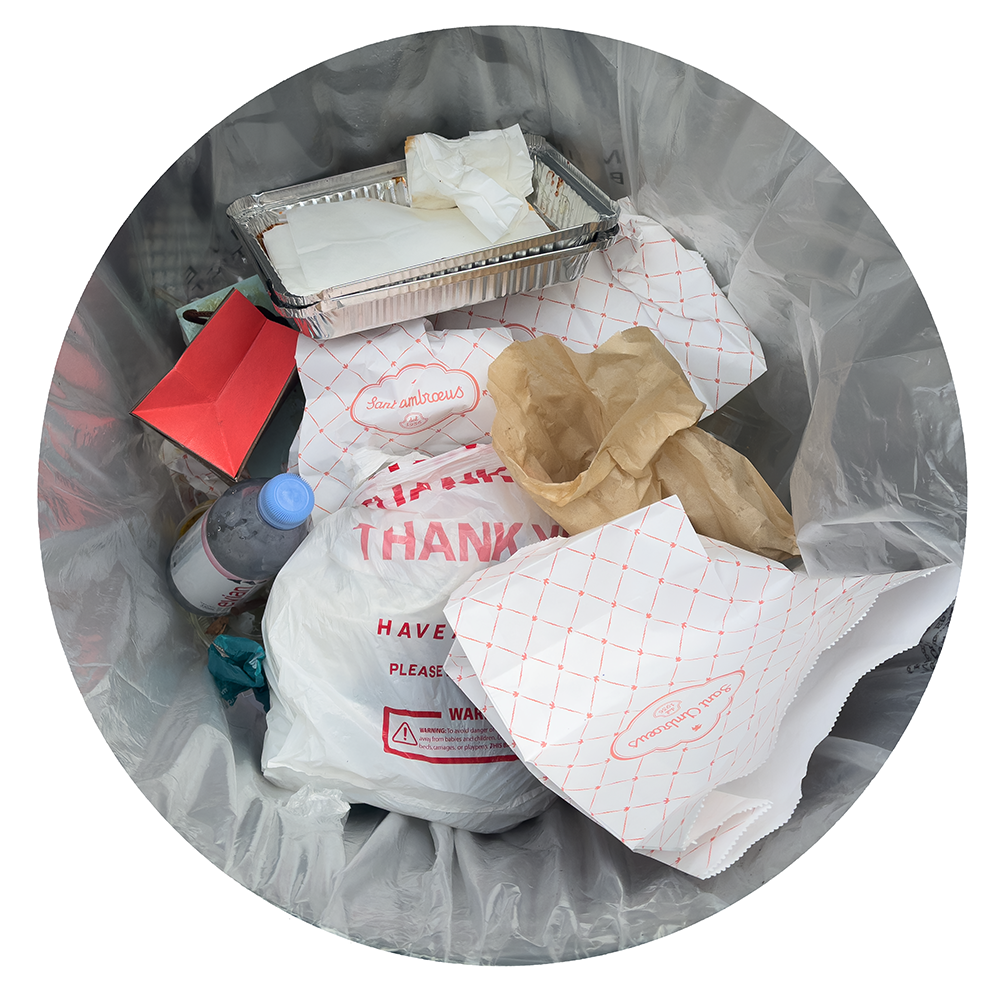
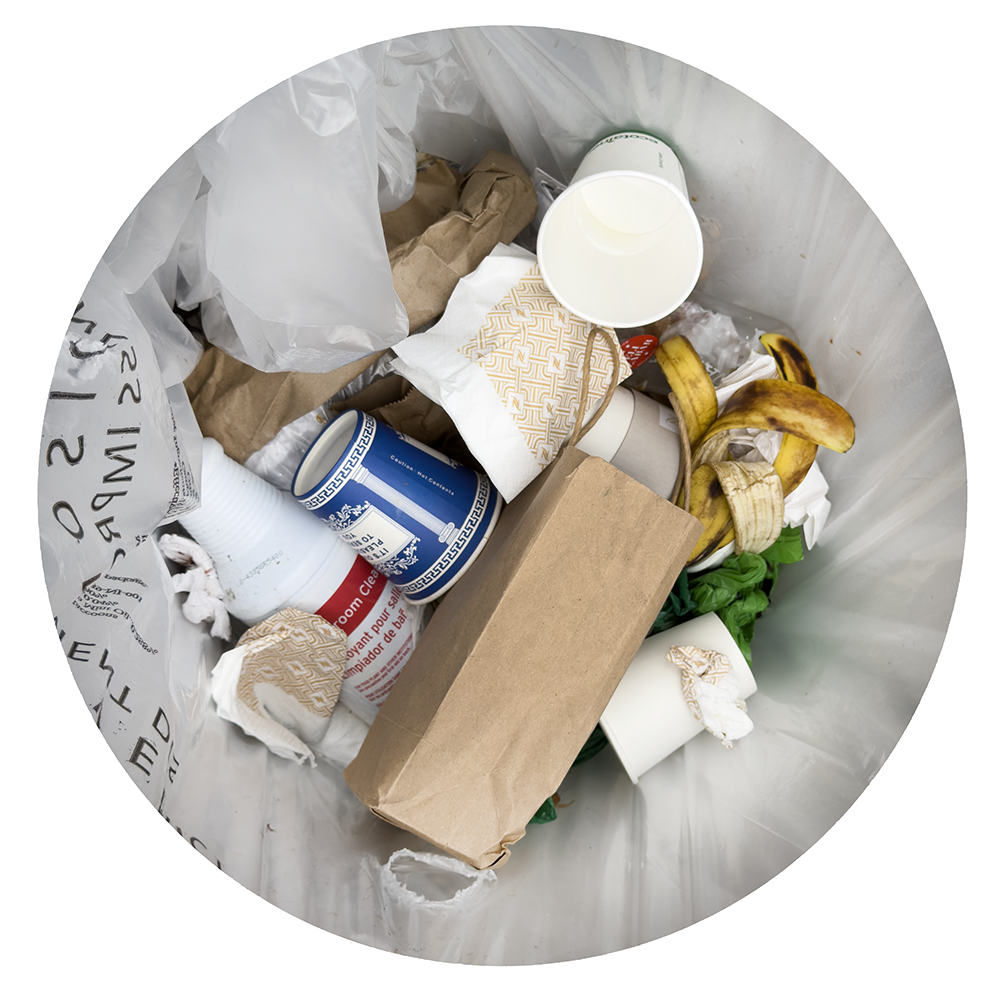
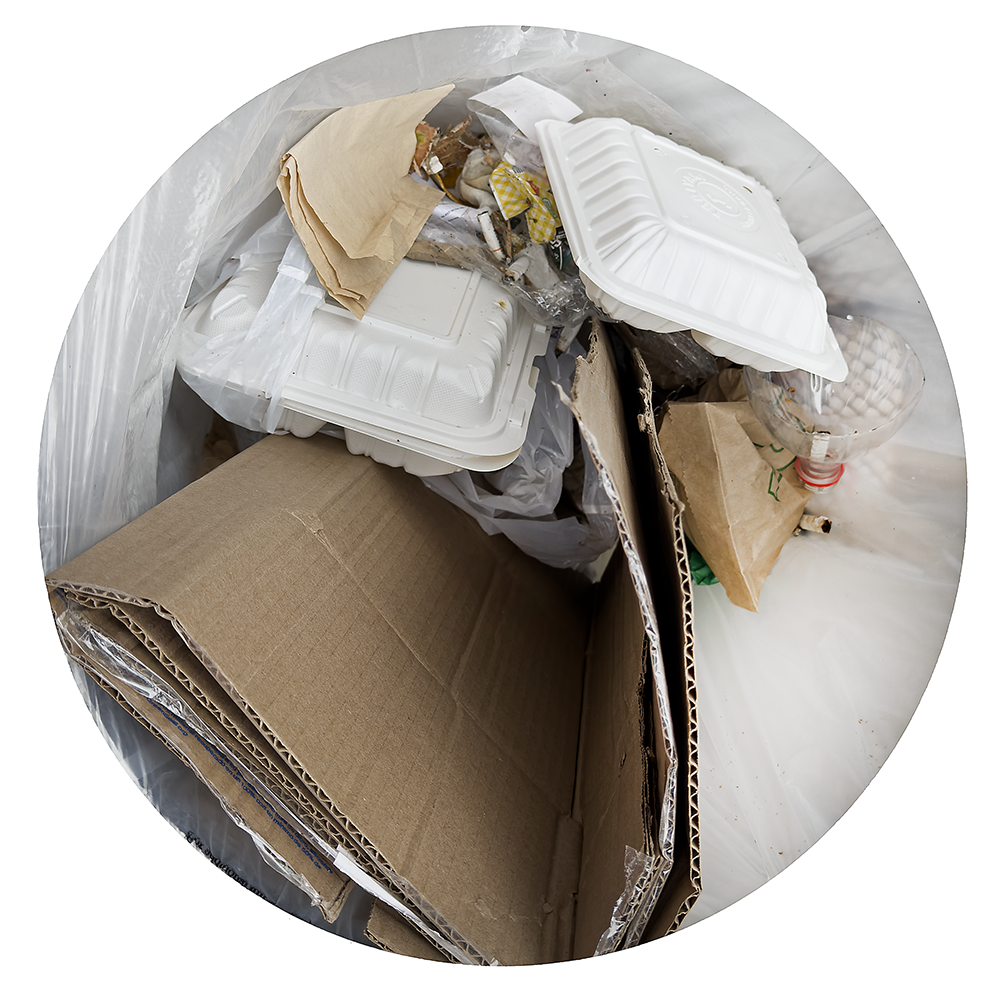
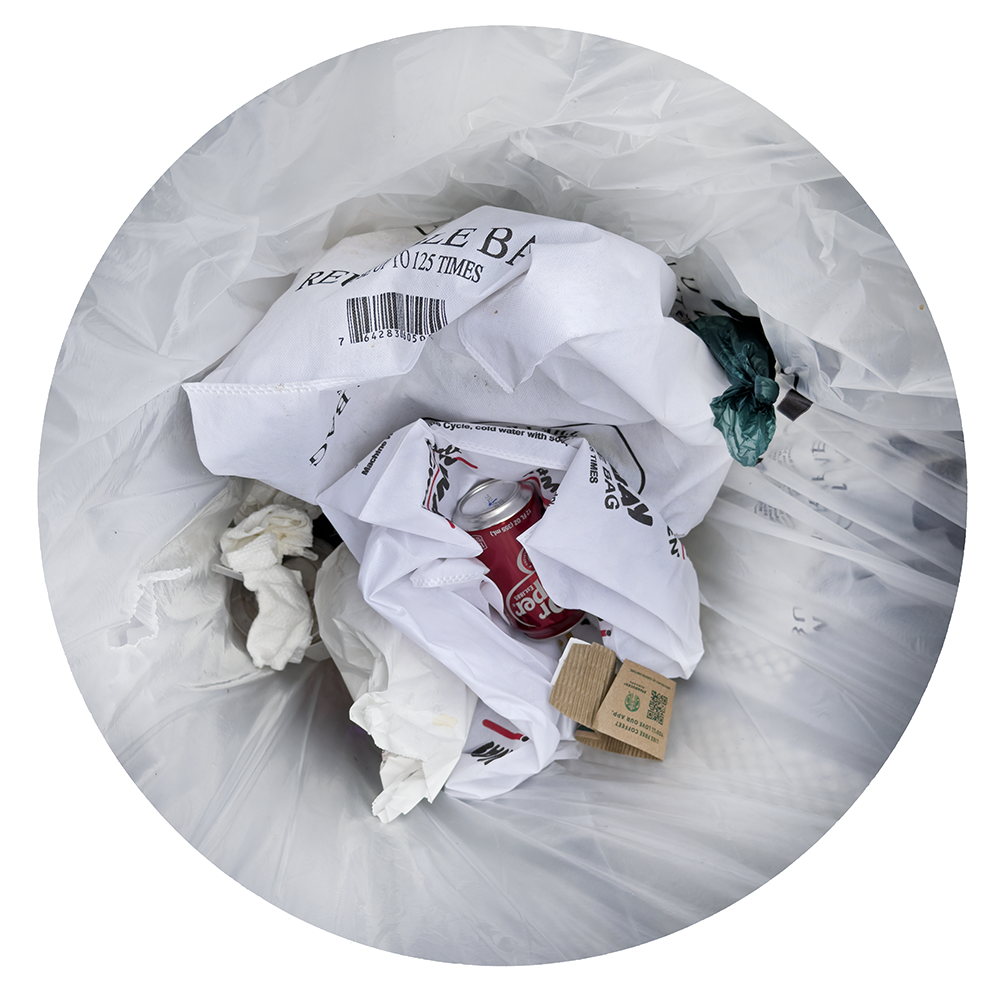
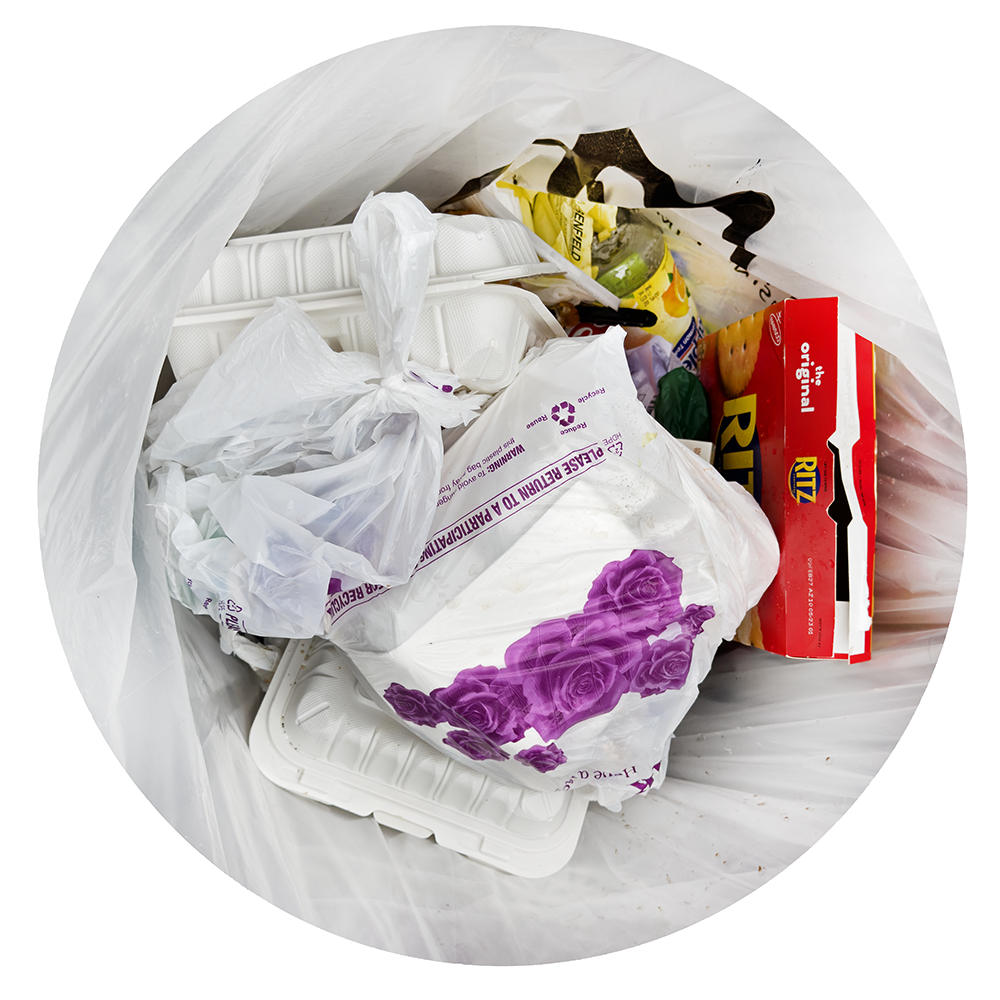
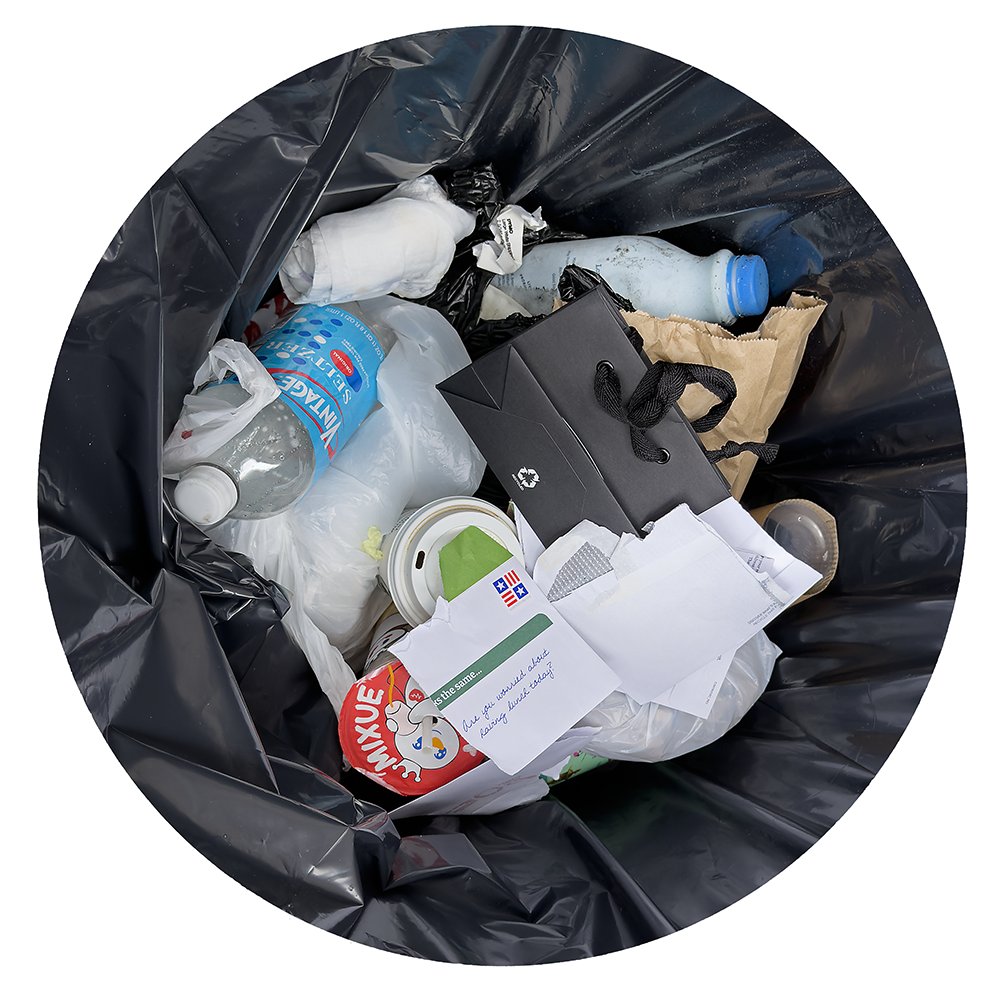
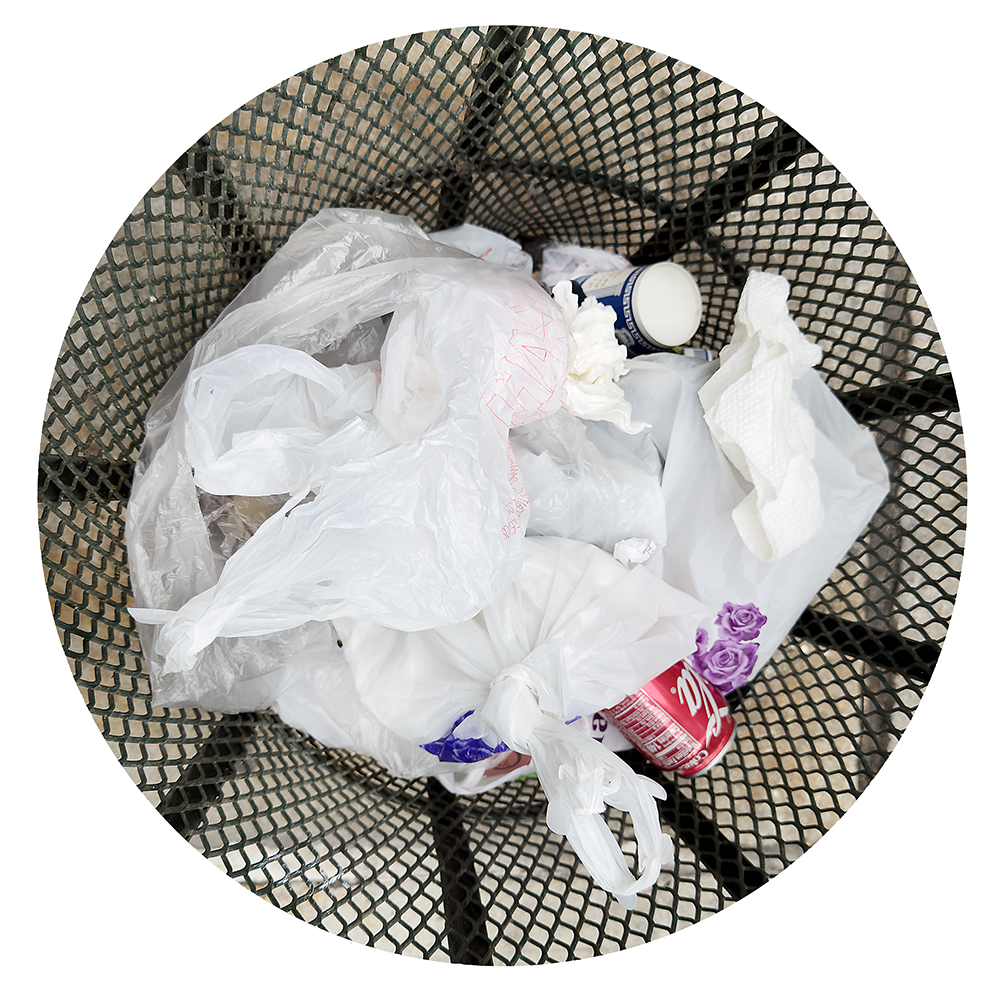
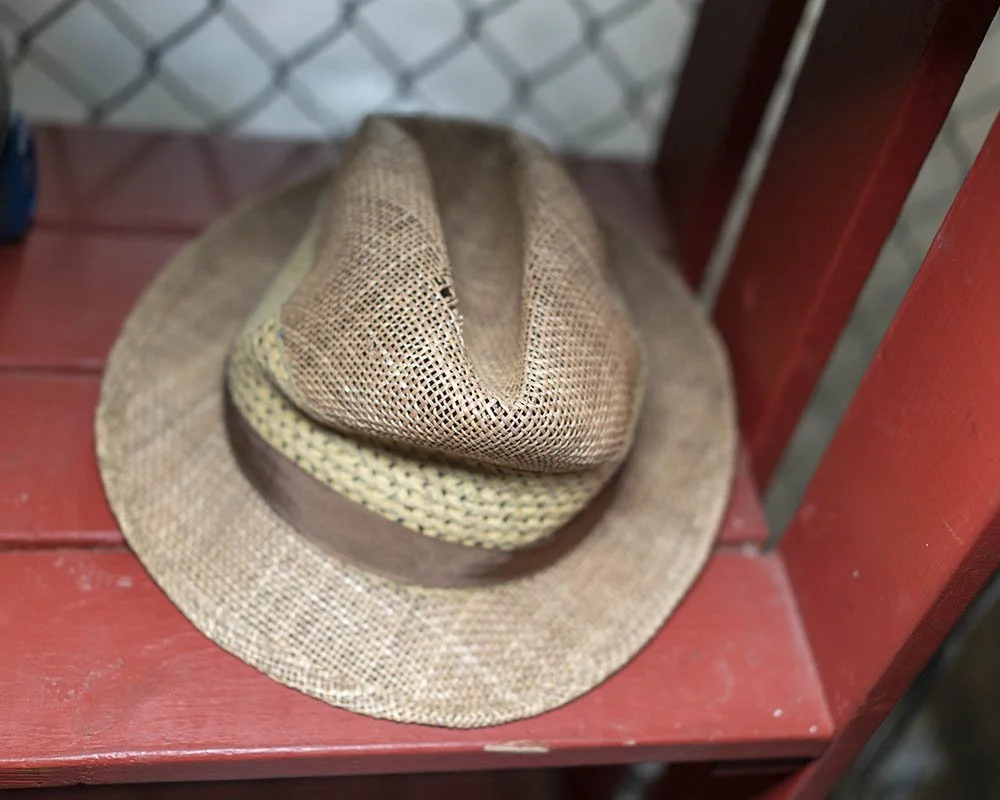
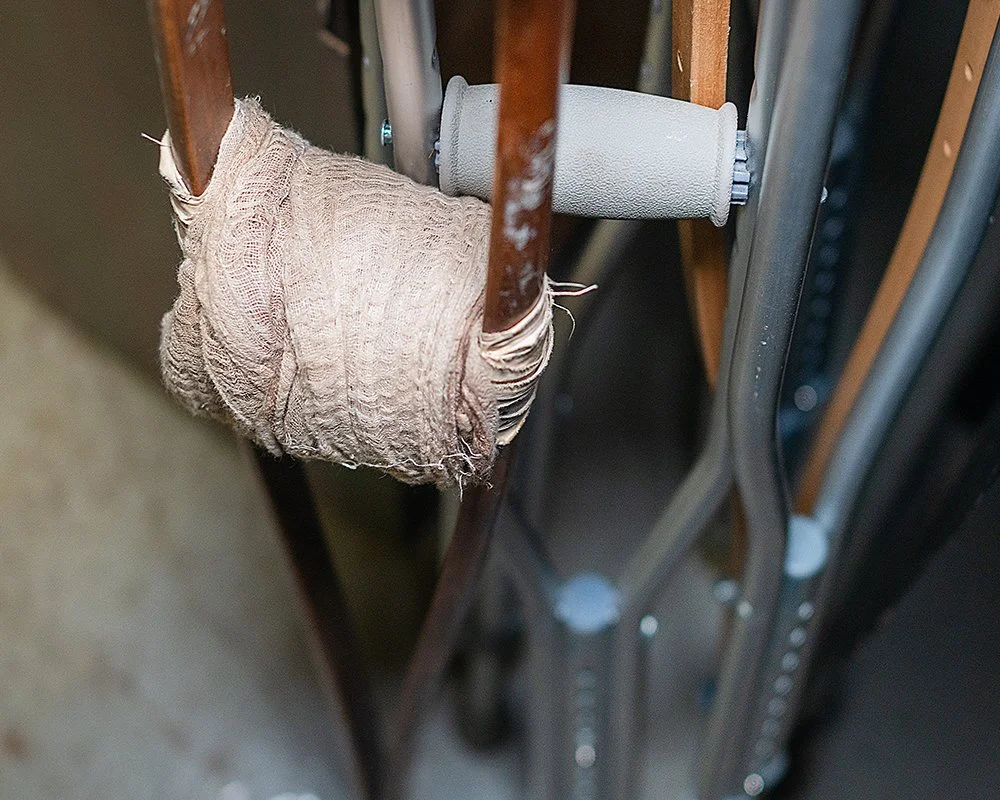
With their radiant circles, these images of refuse evoke the aureoles (diminutive of Latin aurea, "golden") or halos in paintings of sacred figures.
In Christian paintings, a luminous cloud envelops the whole body or just the head, where it would appear as a round halo or nimbus—a kind of crown.
These photographs of trash bins, however, look down instead of up, toward the earthy, random debris at our feet. They are closer to profane than sacred.
Pigment prints in round white frames, 20" x 20".
These still life photographs catalog what looks like a haphazard rummage sale of the 20th century: dolls, pills, a life buoy, a fridge, old paintings, a torpedo. They are half out of boxes, piled up, slumped against chainlink fencing in a basement.
But this flotsam is actually from the props storage of Emerson College in Boston and Prop Co-Op, a props warehouse in Worcester, MA, which is shared by the New England theater community. Click here to find out more:
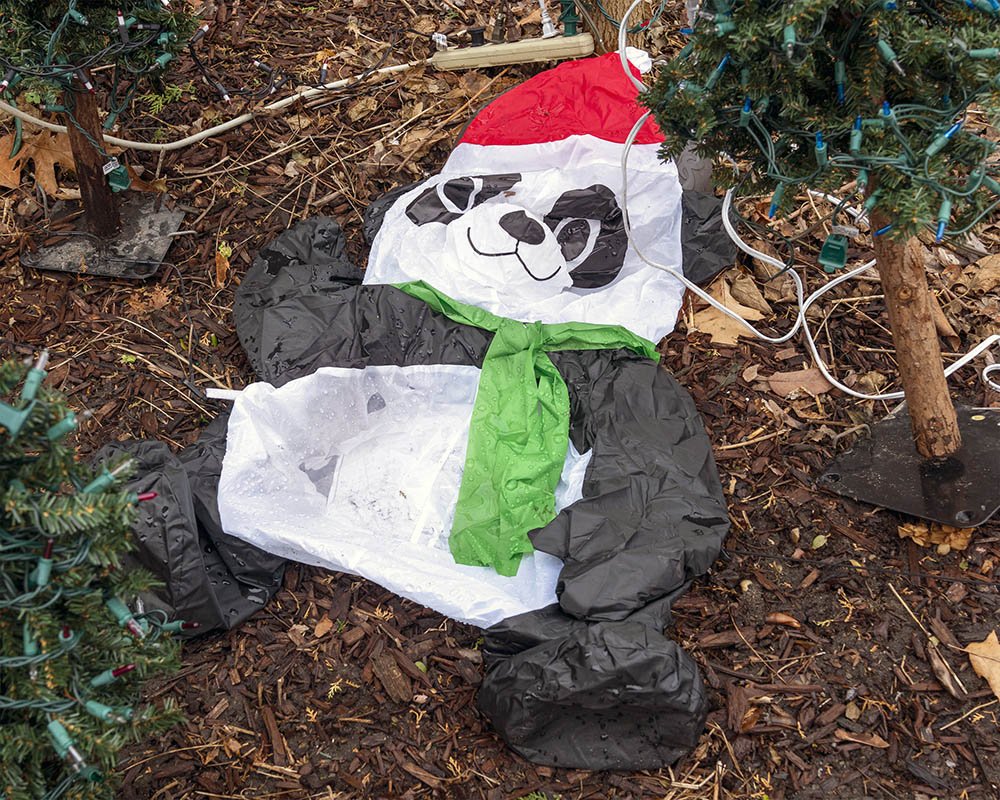
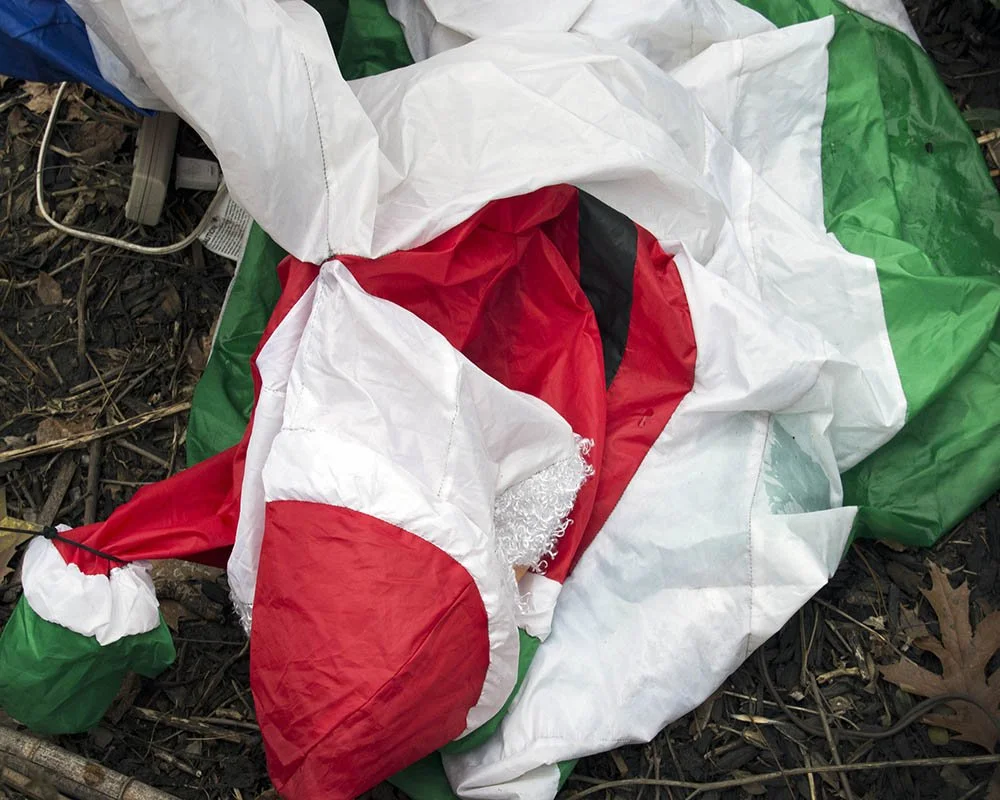
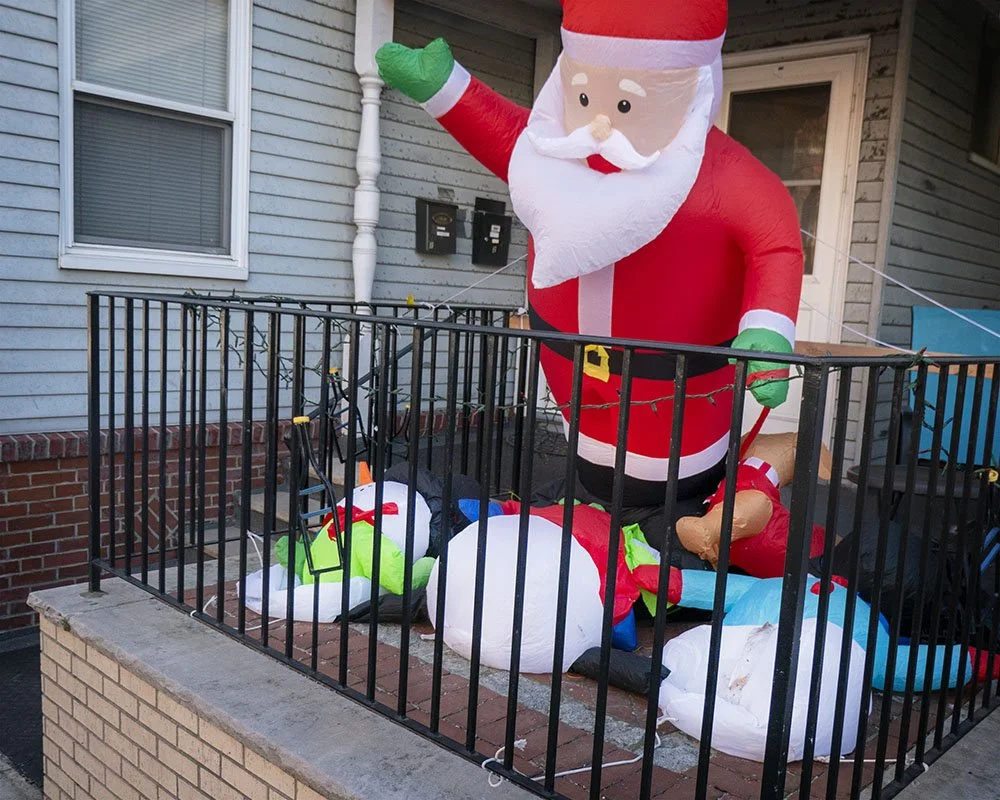
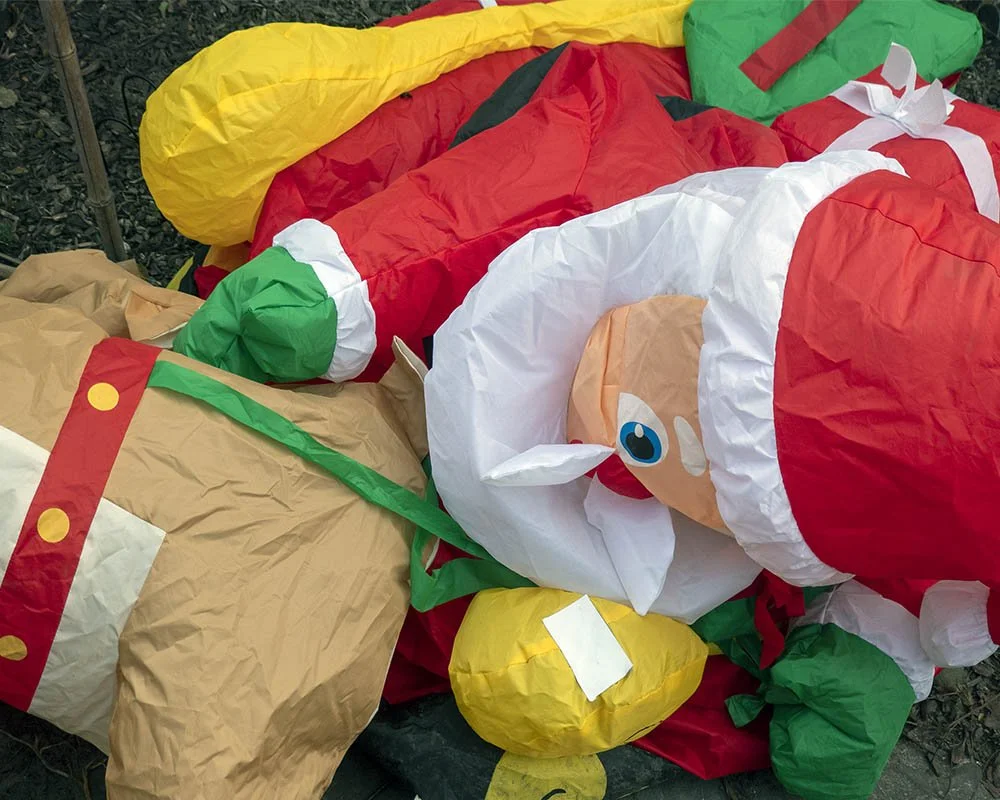
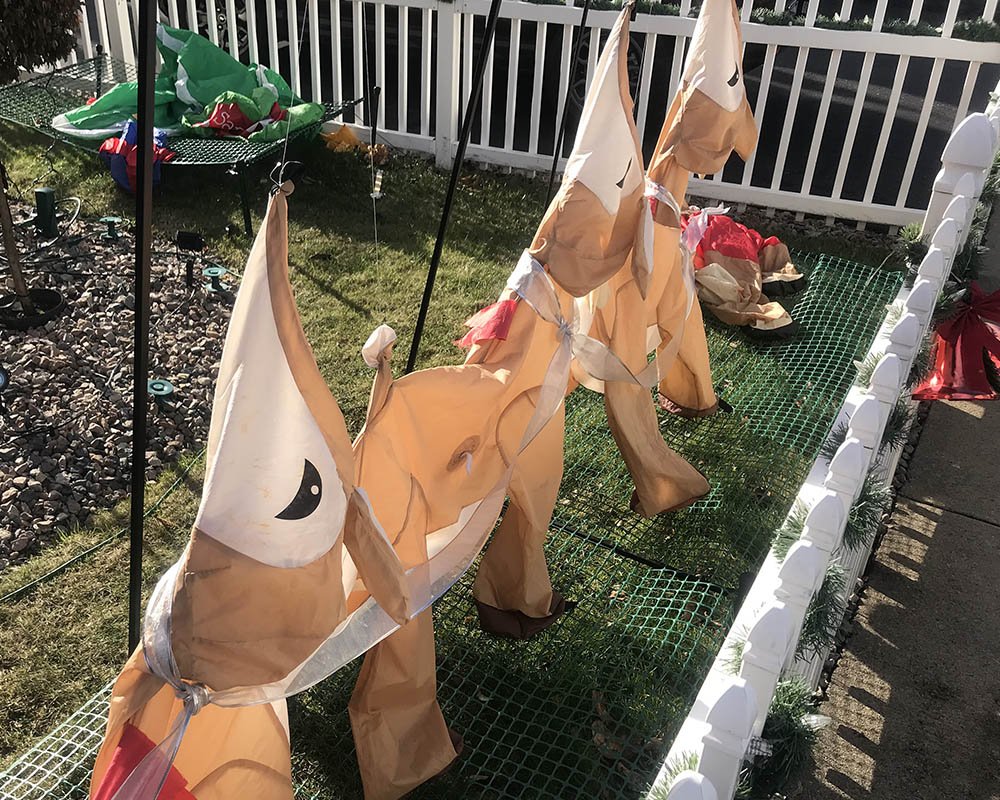
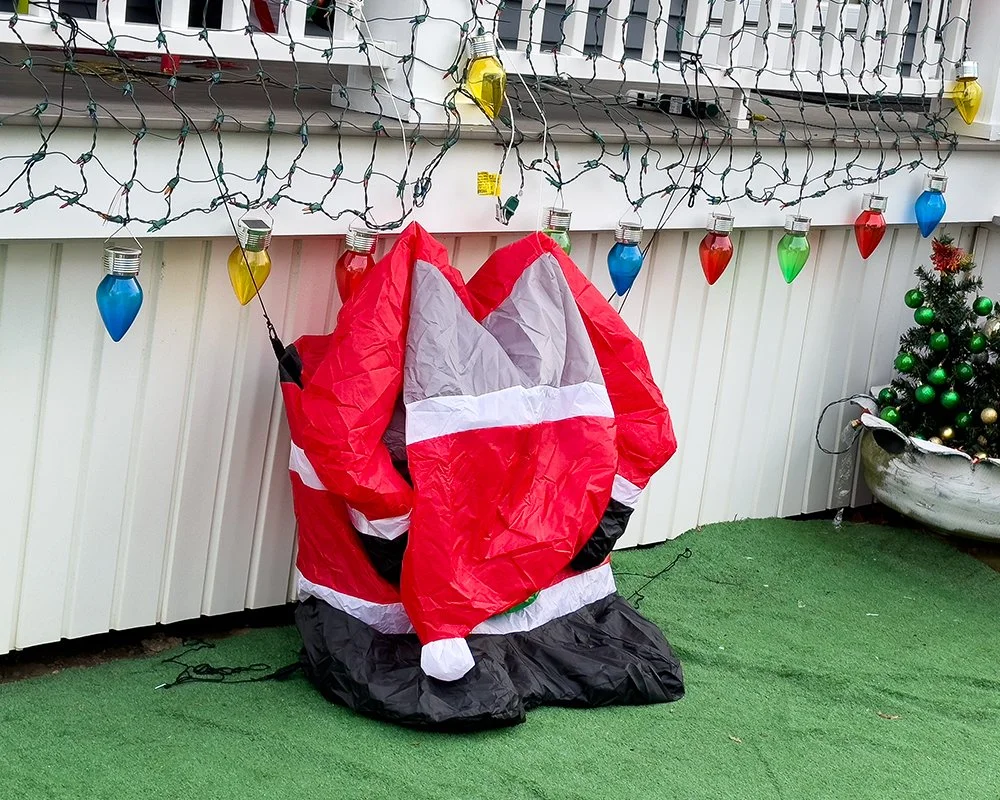
The holiday season is over and done, and all the Santas and elves and reindeer and pandas slowly deflate in front yards.
It’s a Santapocalypse.
Slouched on sidewalks, slumped against a fence, spread-eagle face down on the lawn, the colorful figures look comically pathetic. In the face of defeat, they wear cheery grins on their way to oblivion.
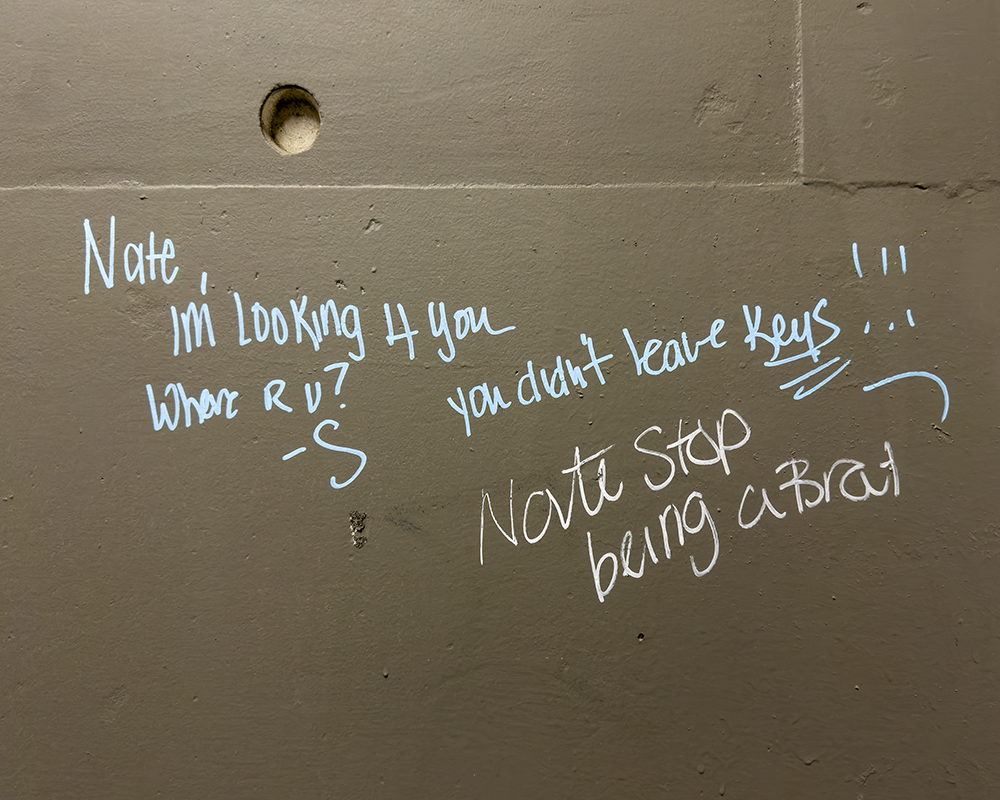
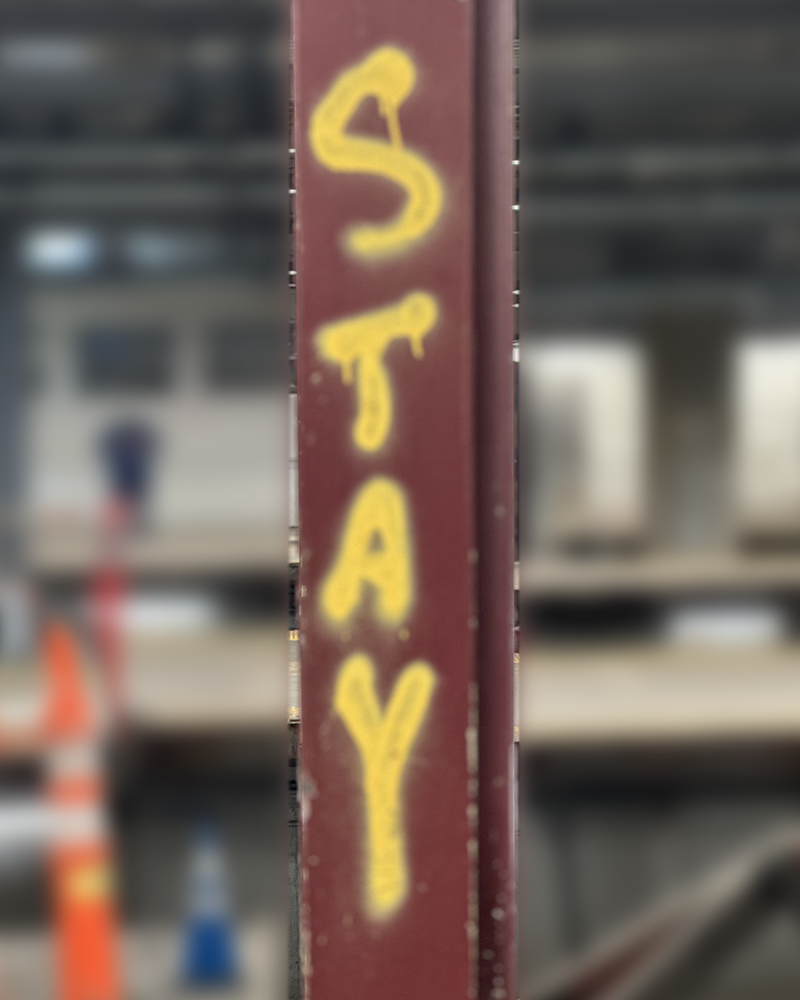
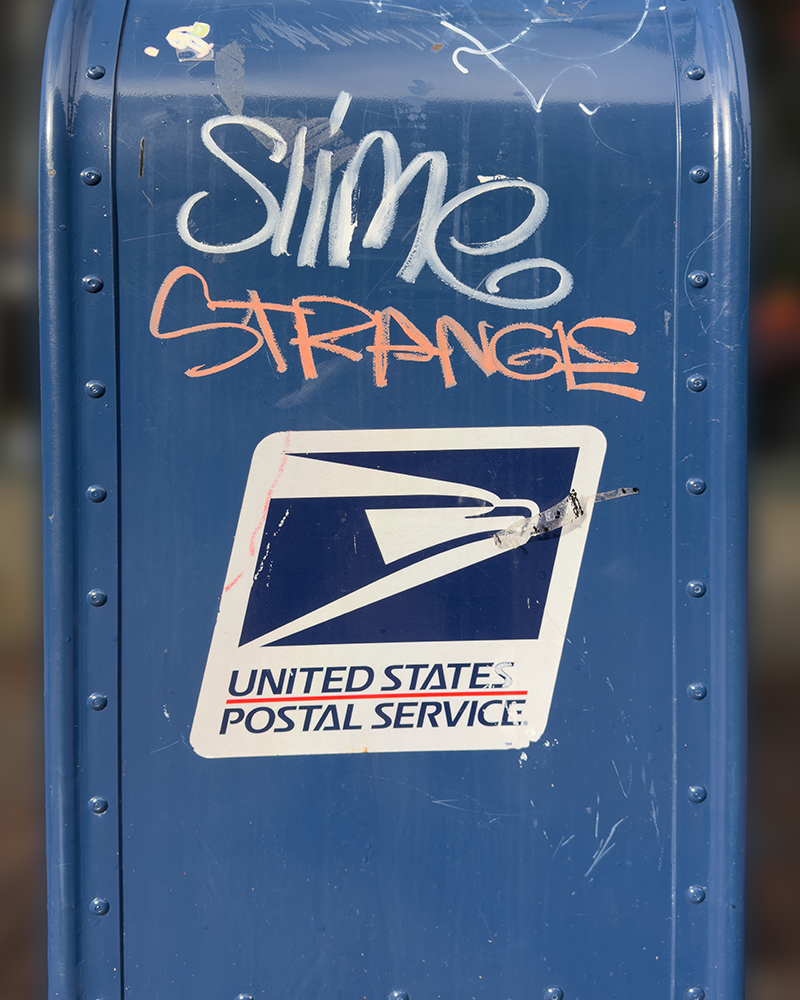
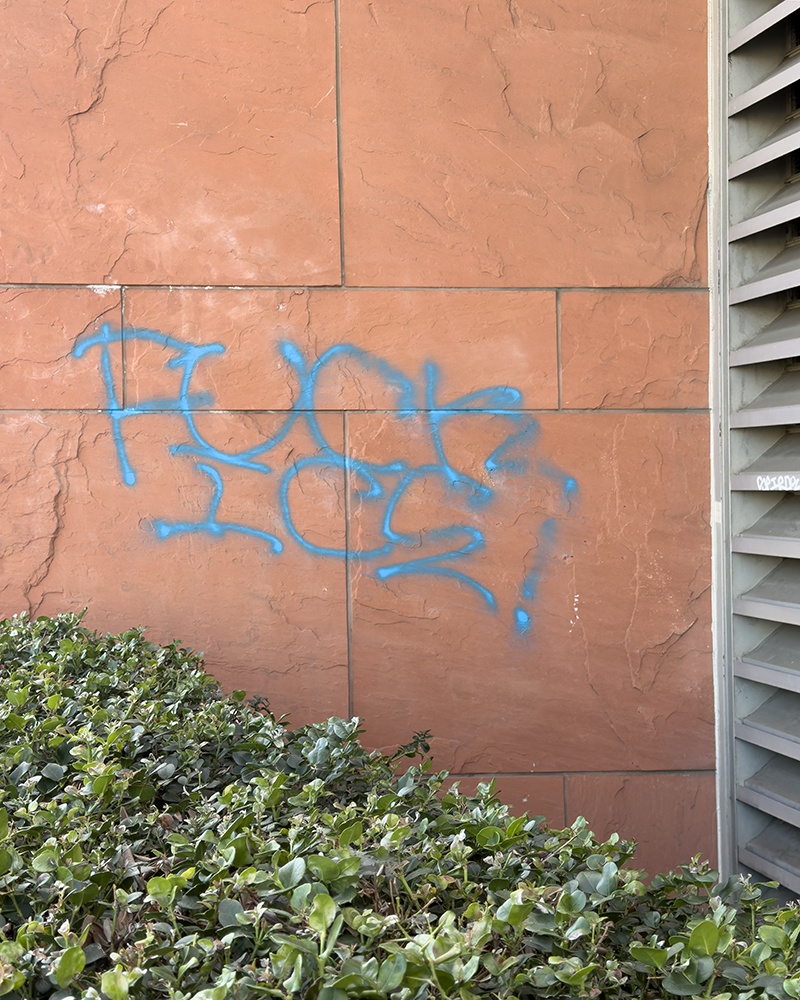
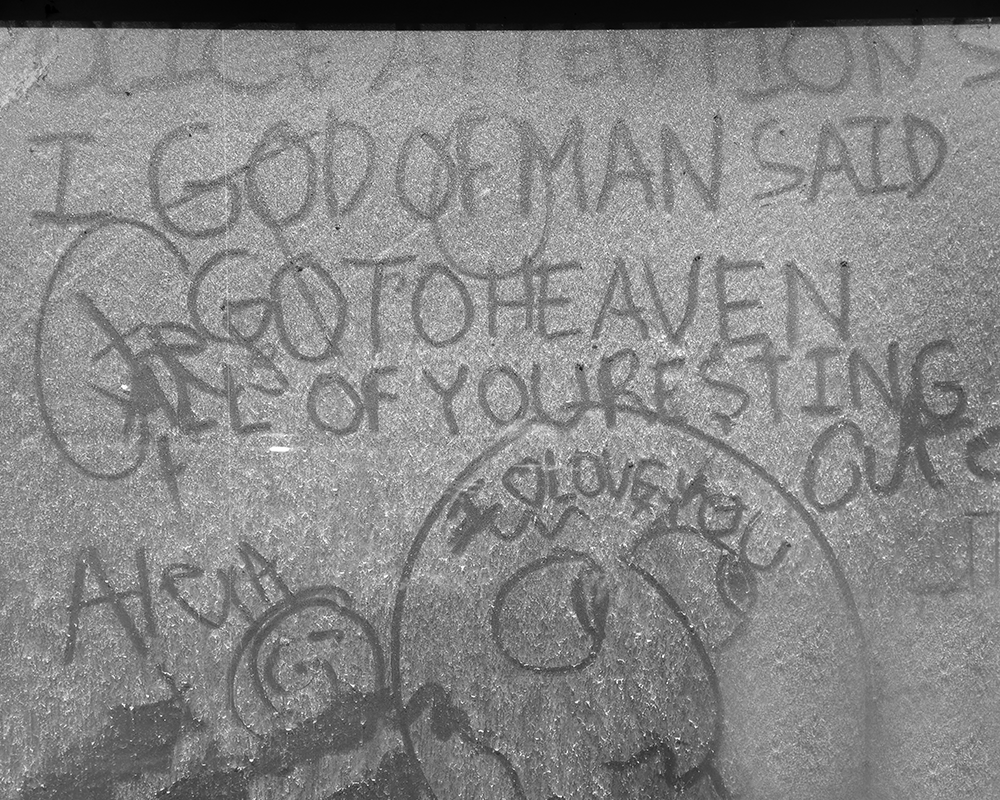
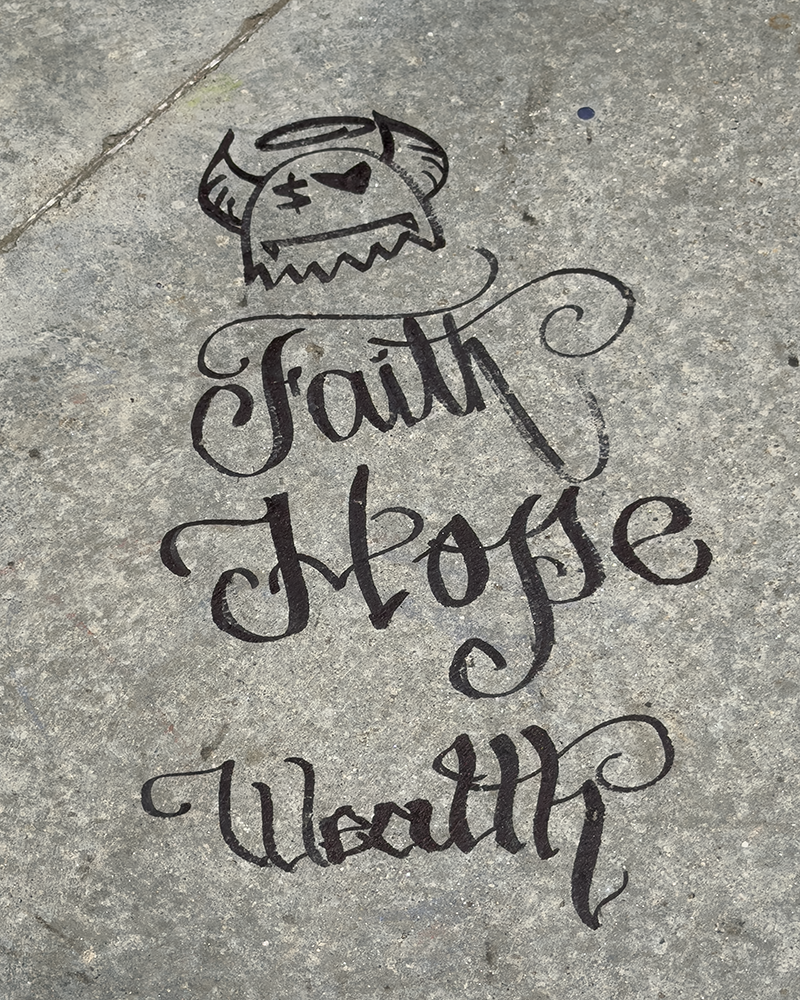
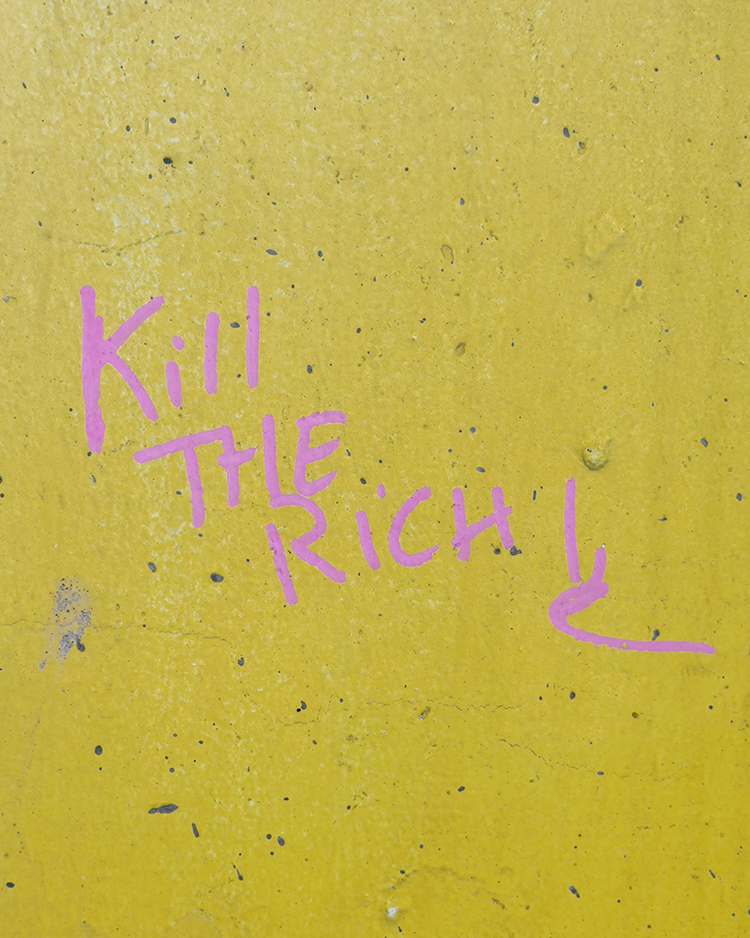
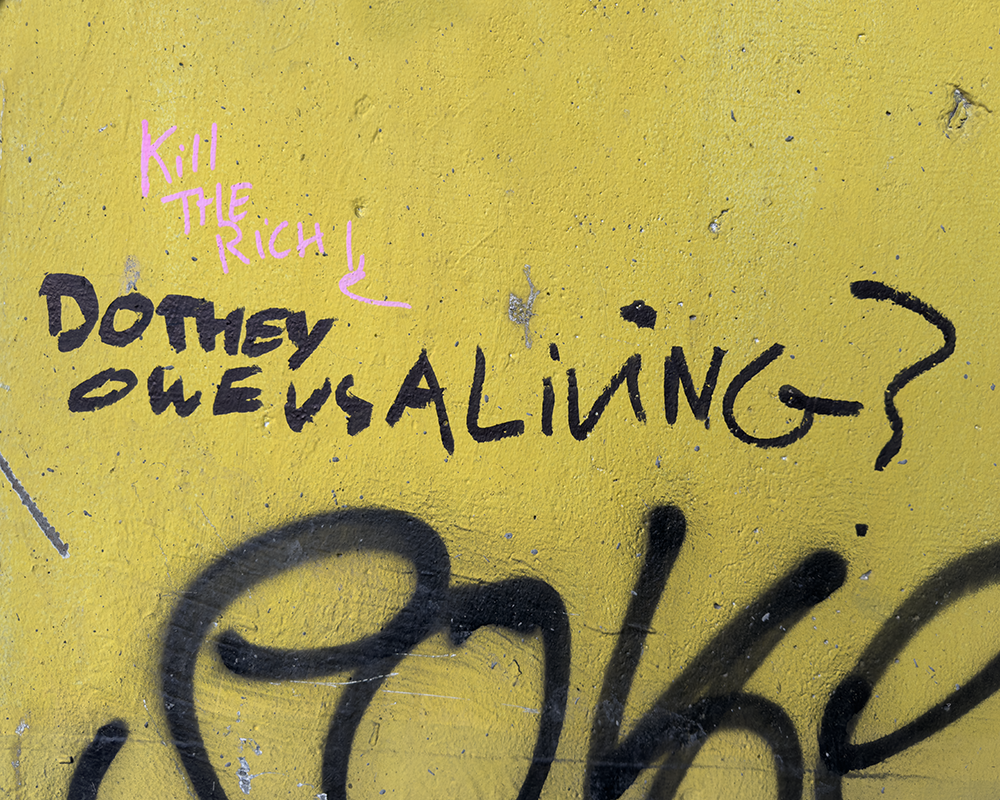
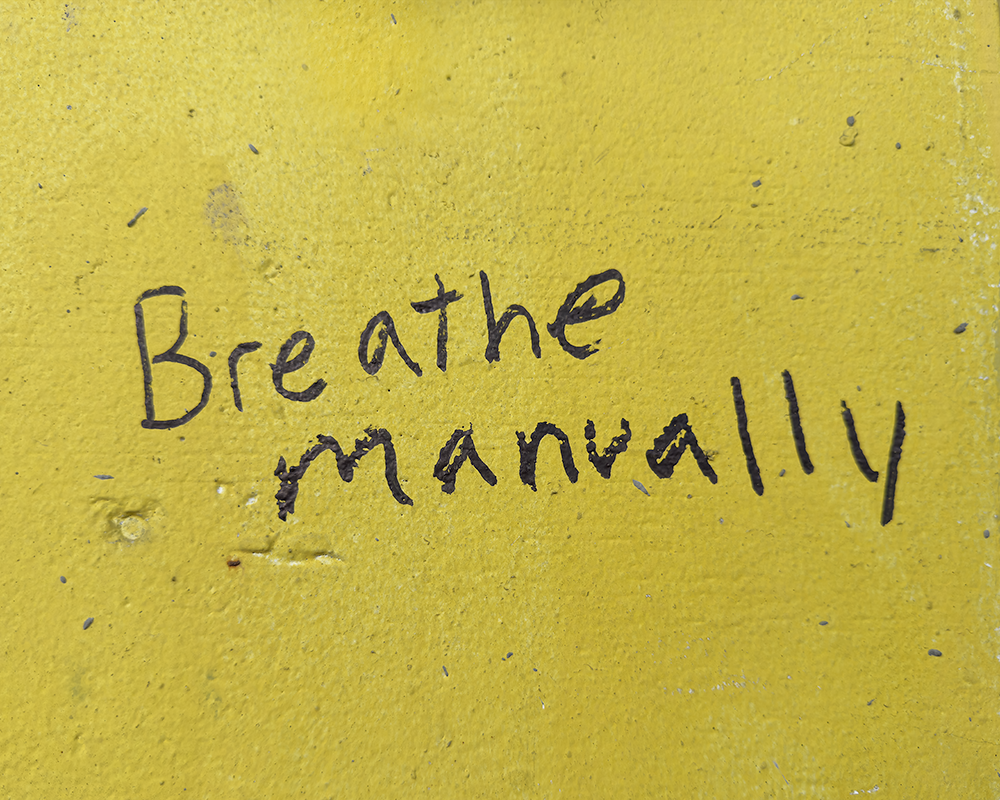
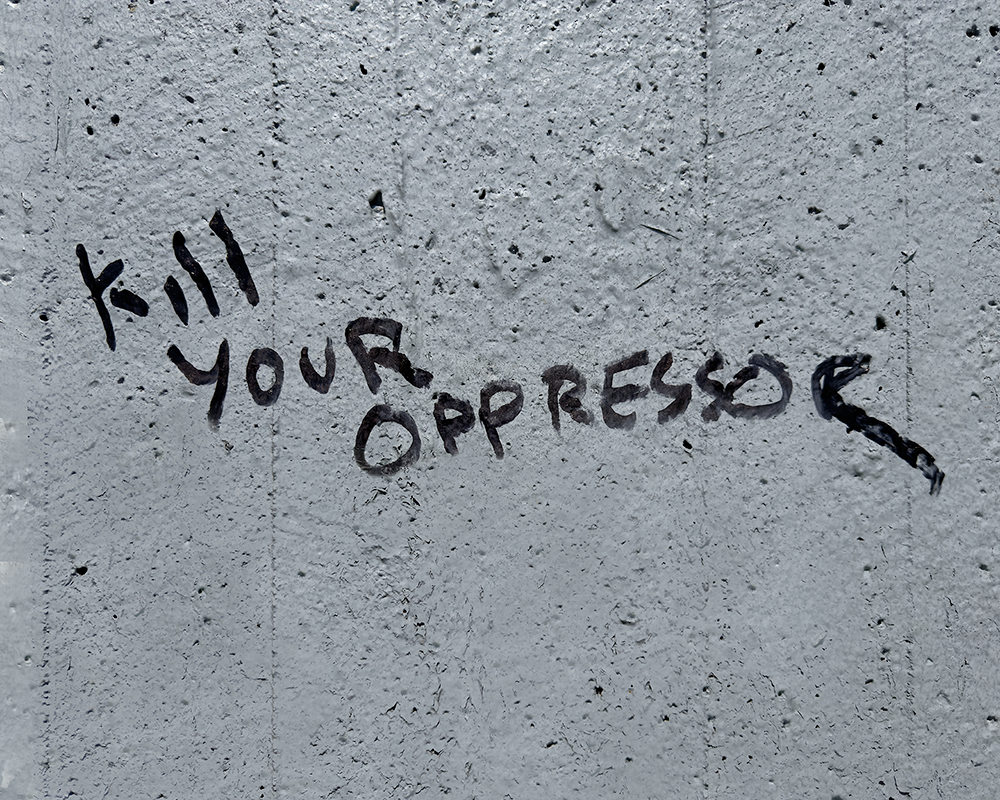
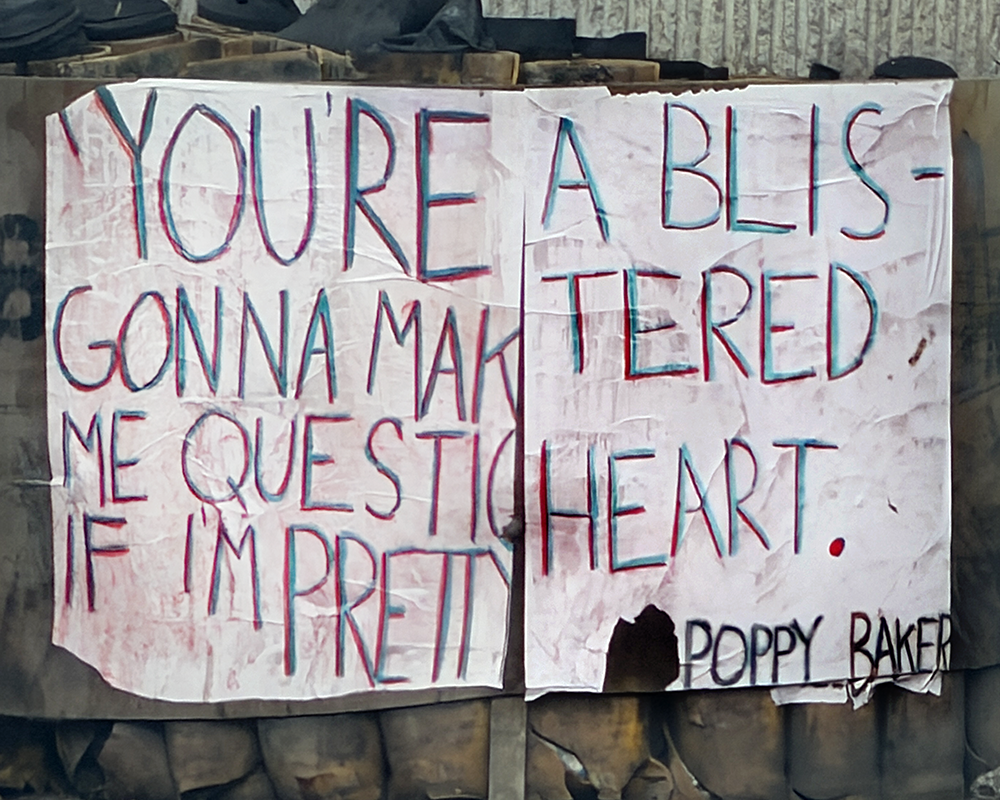
Mysterious, poignant, encouraging, these handwritten notes post their messages out into the world hoping that someone—anyone—might respond.
Mostly anonymous, the writer sometimes seeks to make a personal connection, and at other times to forge a social movement.
They are taped up on scraps of paper, spray painted, or scrawled with a marker on utility boxes, pieces of plywood, or any blank space available. Once in a great while, somebody else writes back, and a connection is made.
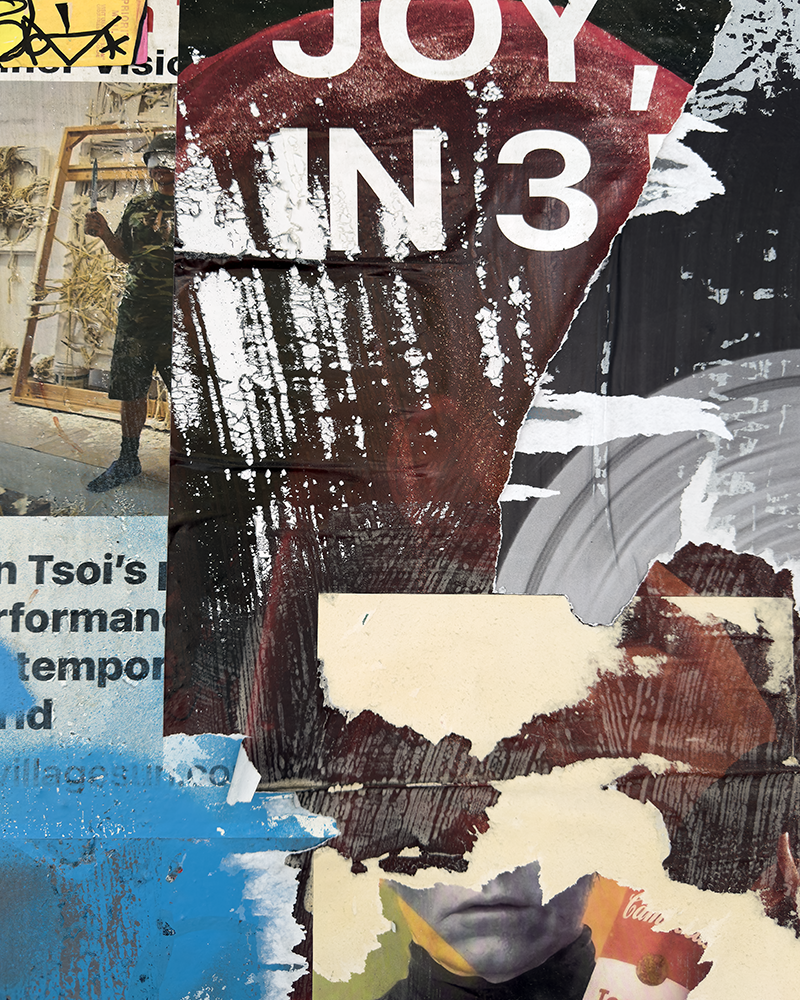
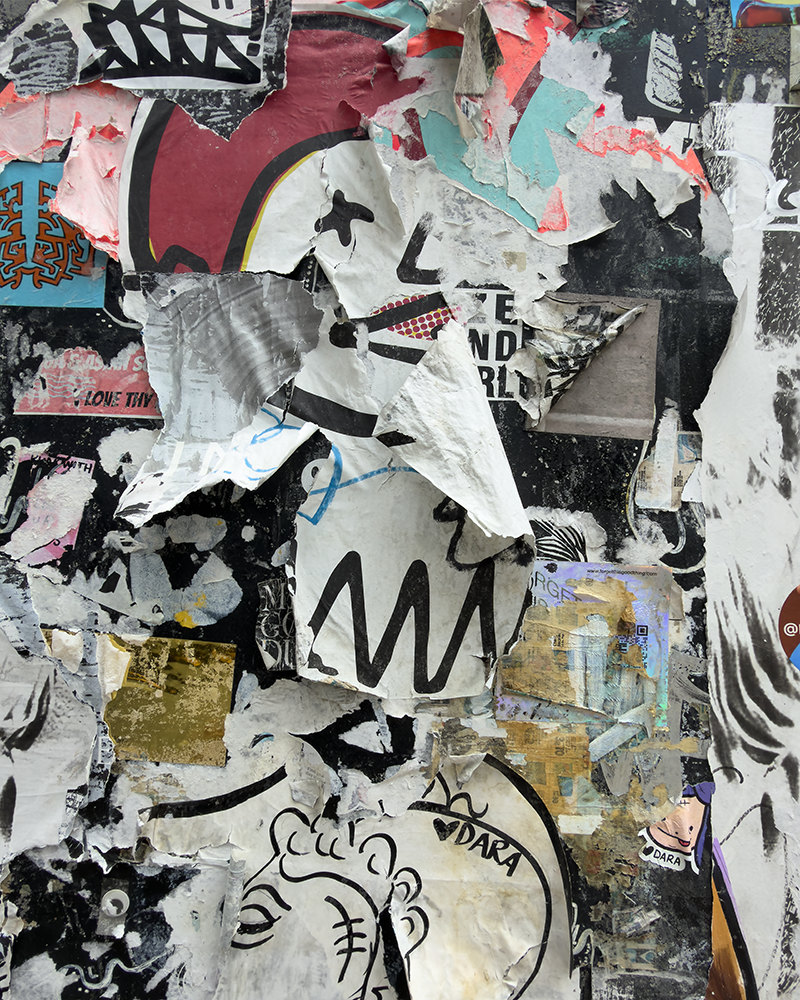
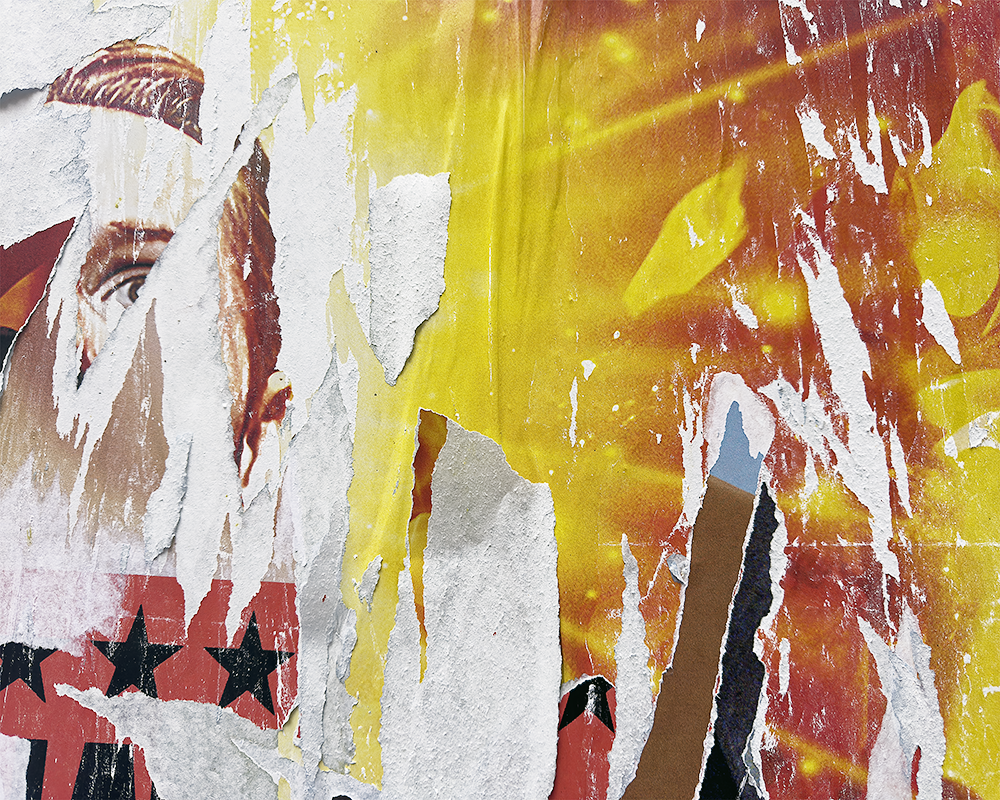
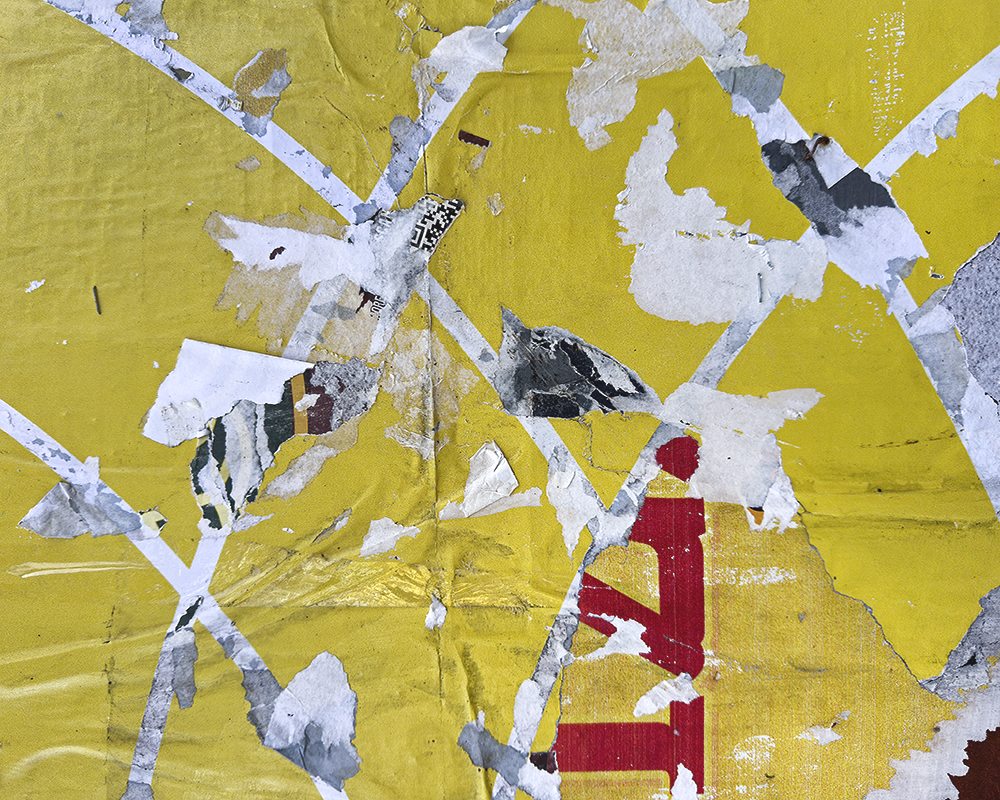
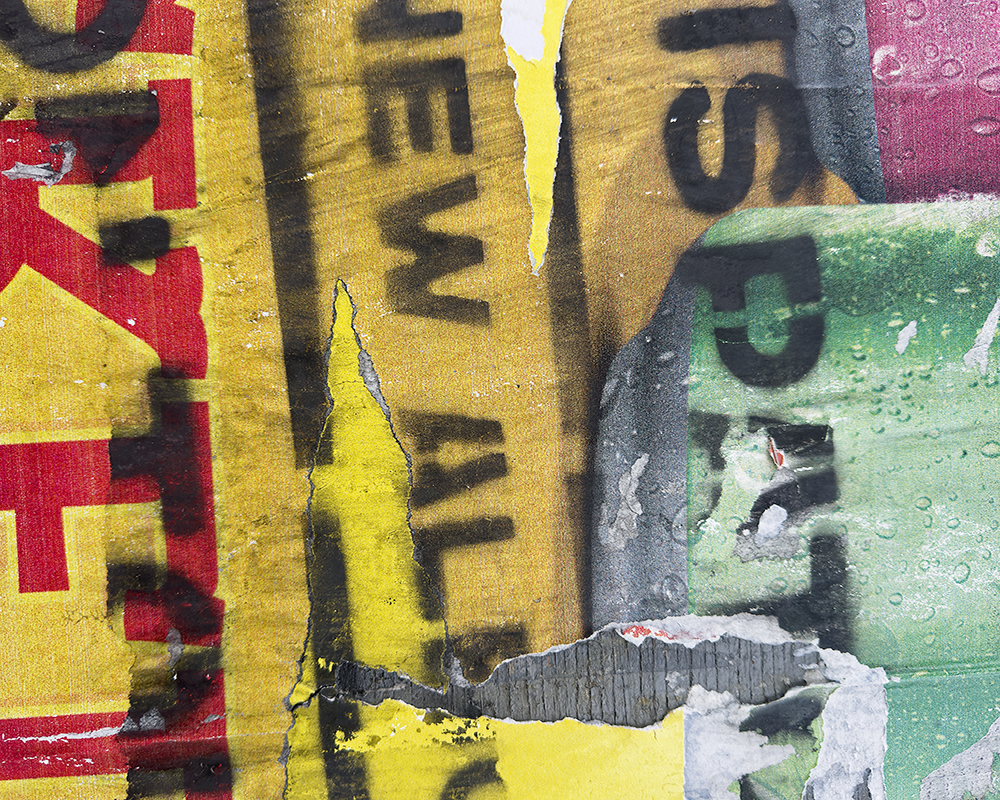
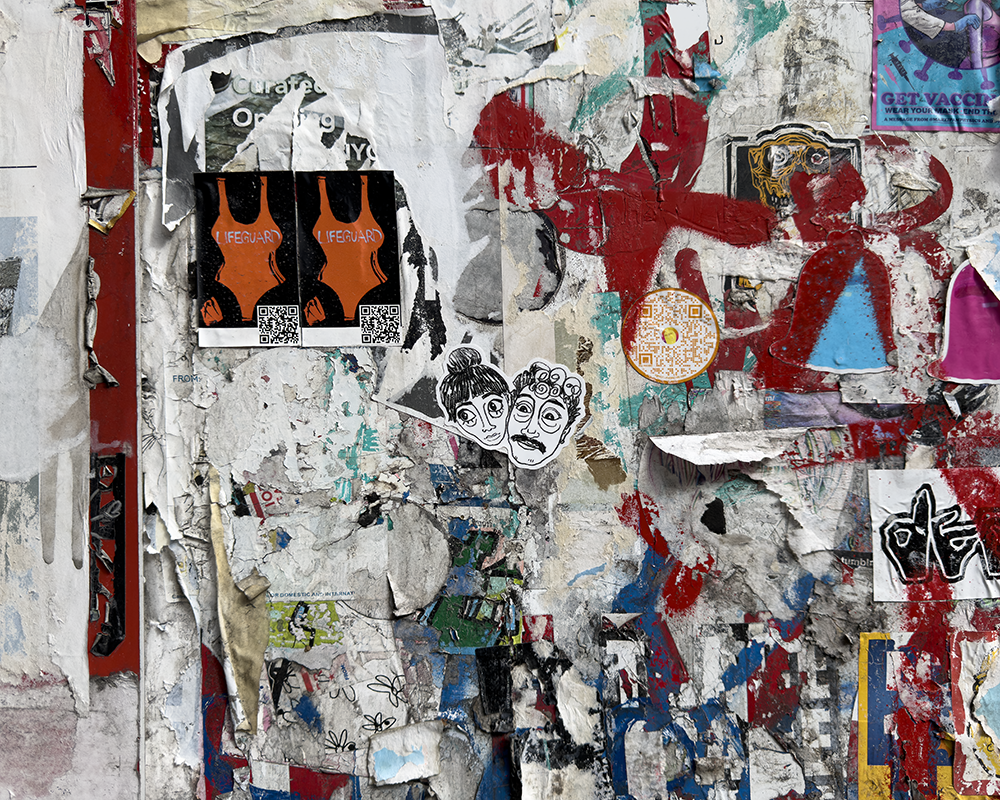
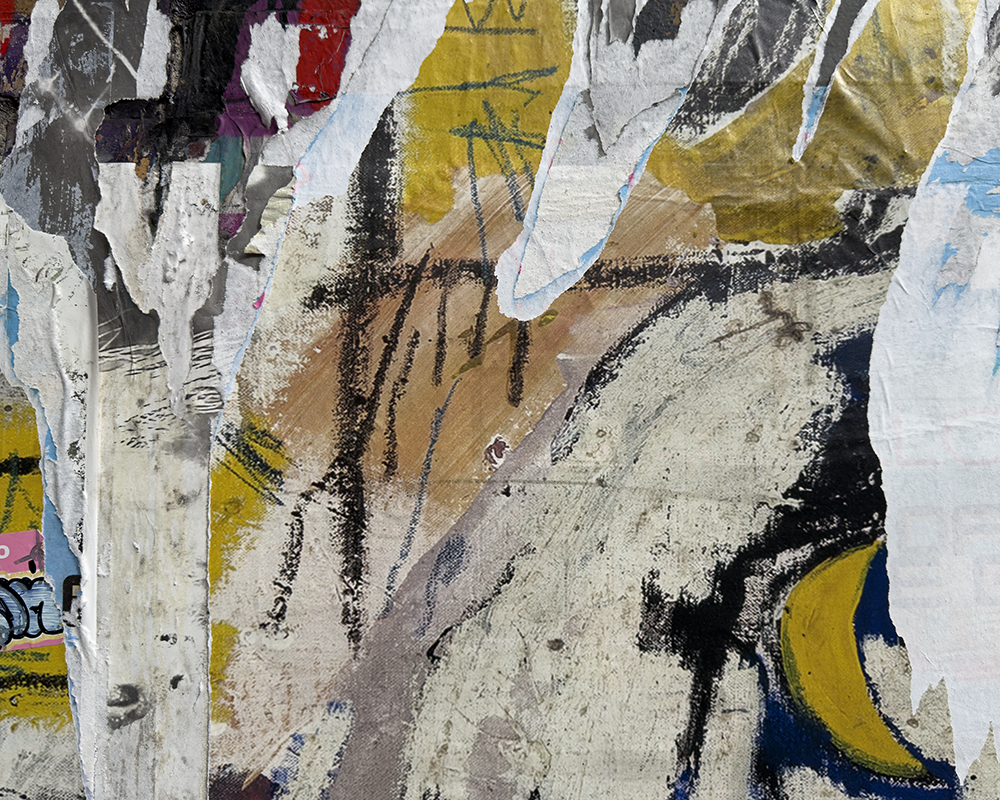
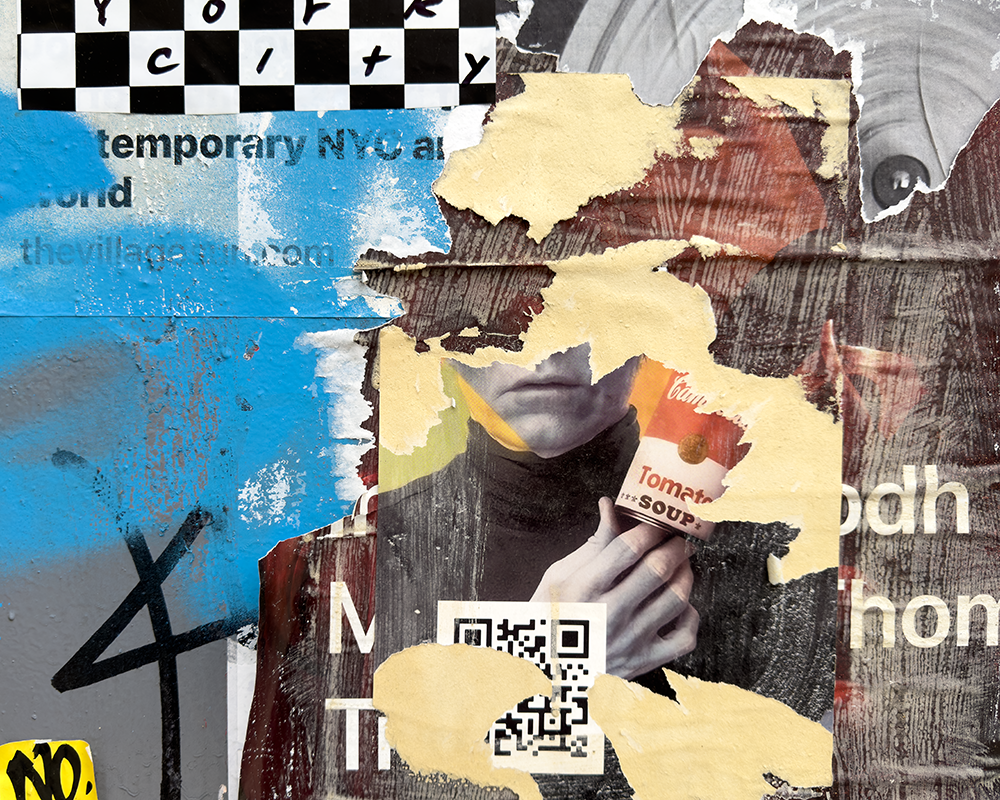
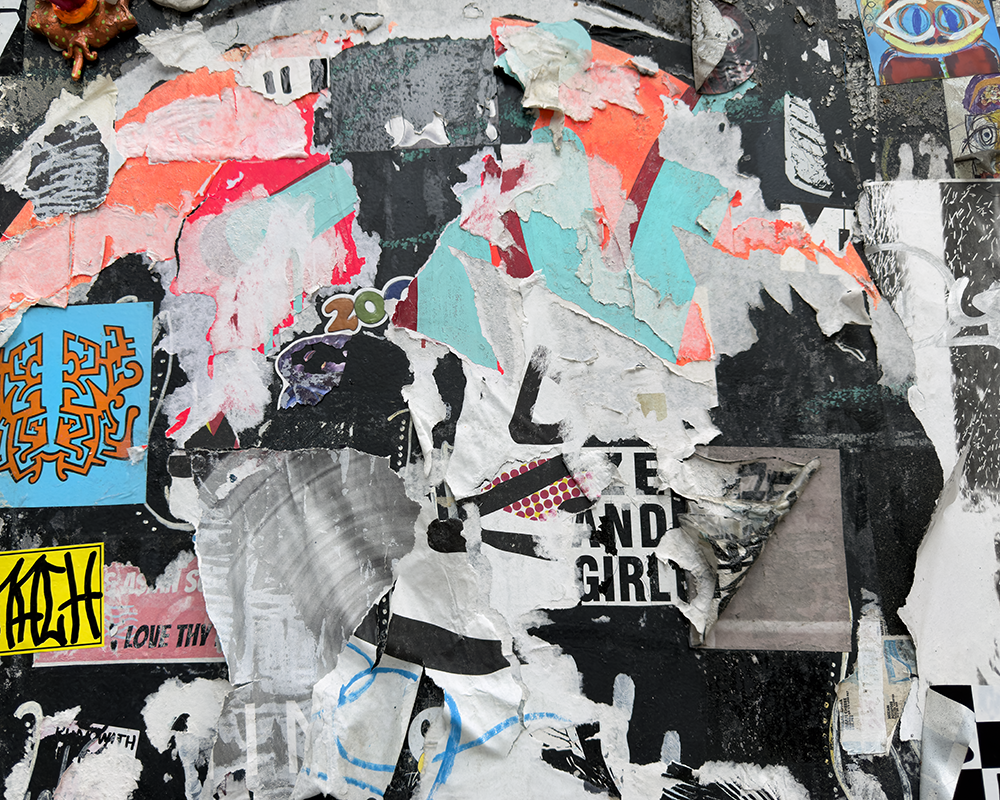
These images of ad-encrusted walls are inspired by décollage, the French term that literally means "to unstick." Used by the German artist Wolf Vostell to describe his photos of stratified, torn-off posters on scarred walls after WWII, he borrowed the term from a newspaper article describing the simultaneous take-off and crash of an airplane.
Other artists who have explored décollage include the French artist Raymond Haines, who in 1950s Paris critiqued mass advertising with photos of lacerated posters, and the contemporary LA artist Mark Bradford, who excavates layers of built-up paper to create abstract maps.
The photos in "Unstuck" follow this tradition by focusing on dense displays of posters, stickers and graffiti that speak to the history of the city and this moment of pop culture.
As critic Marshall McLuhan said, “The medium is the message.”
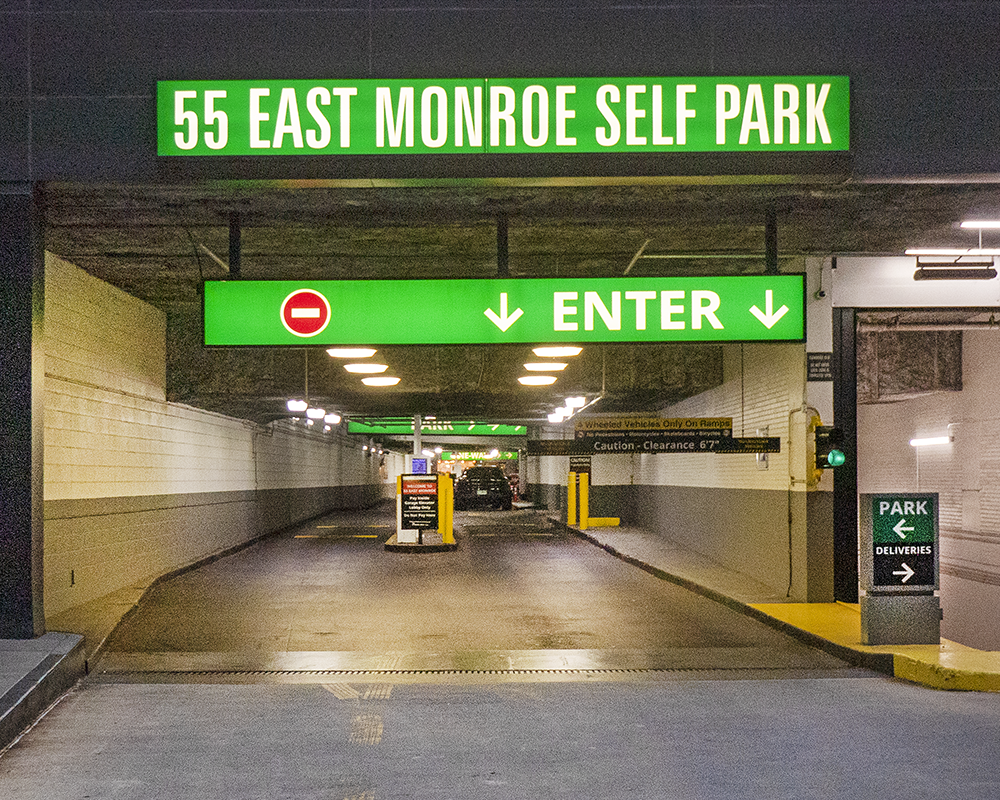
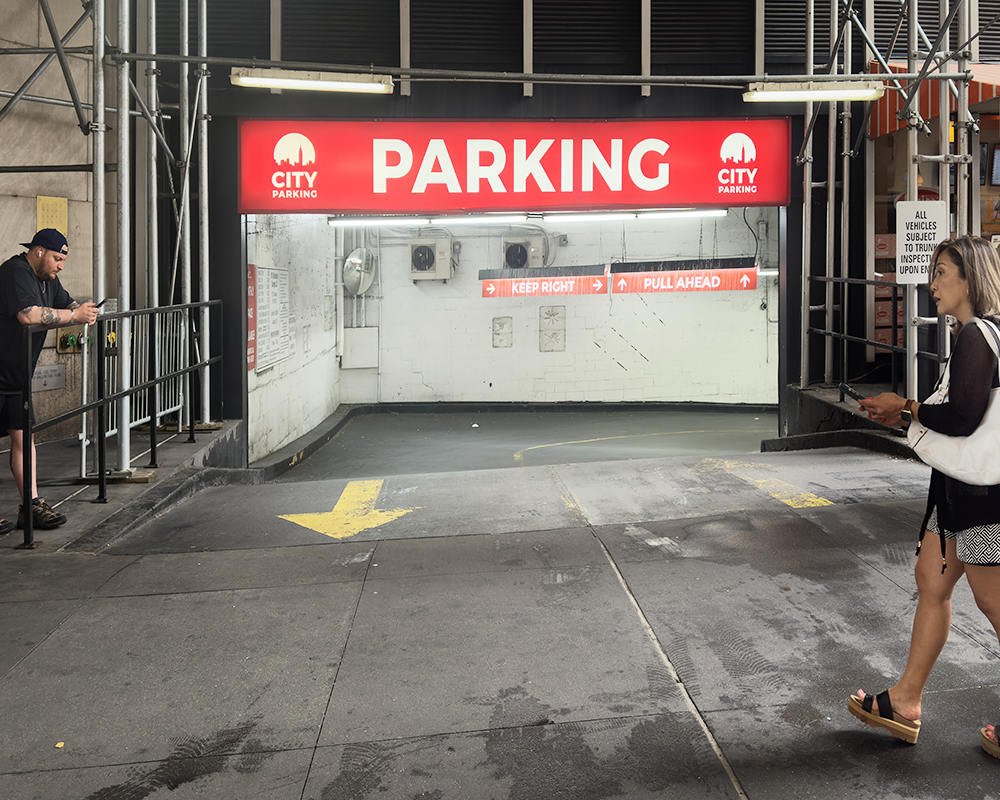
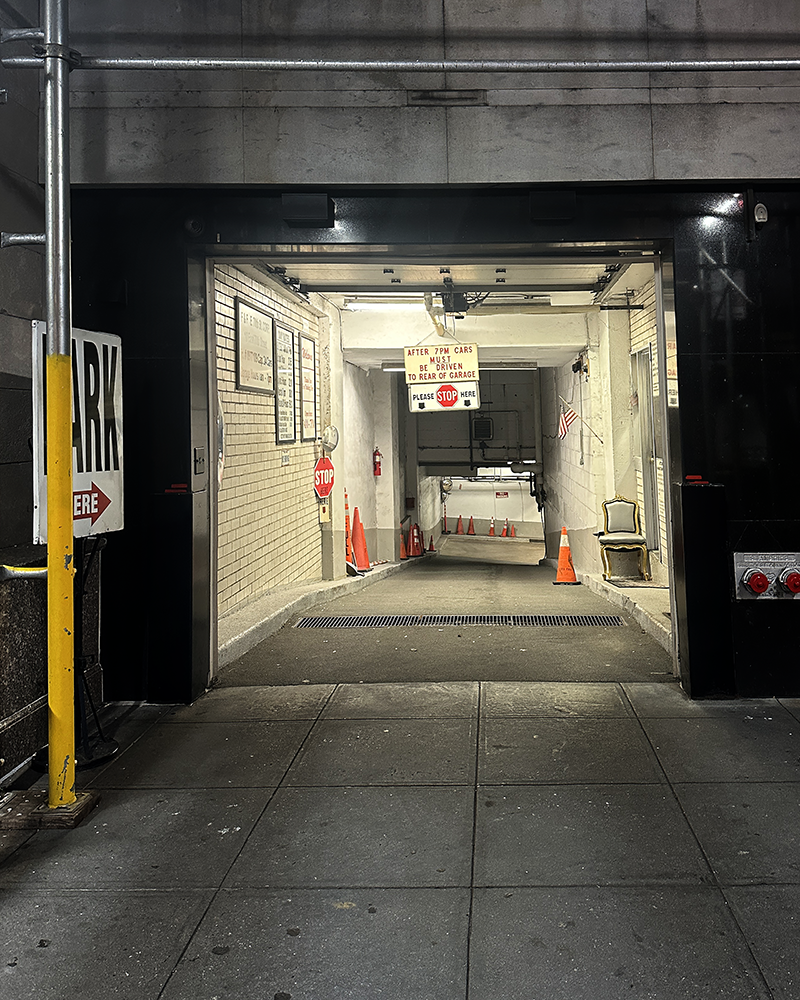
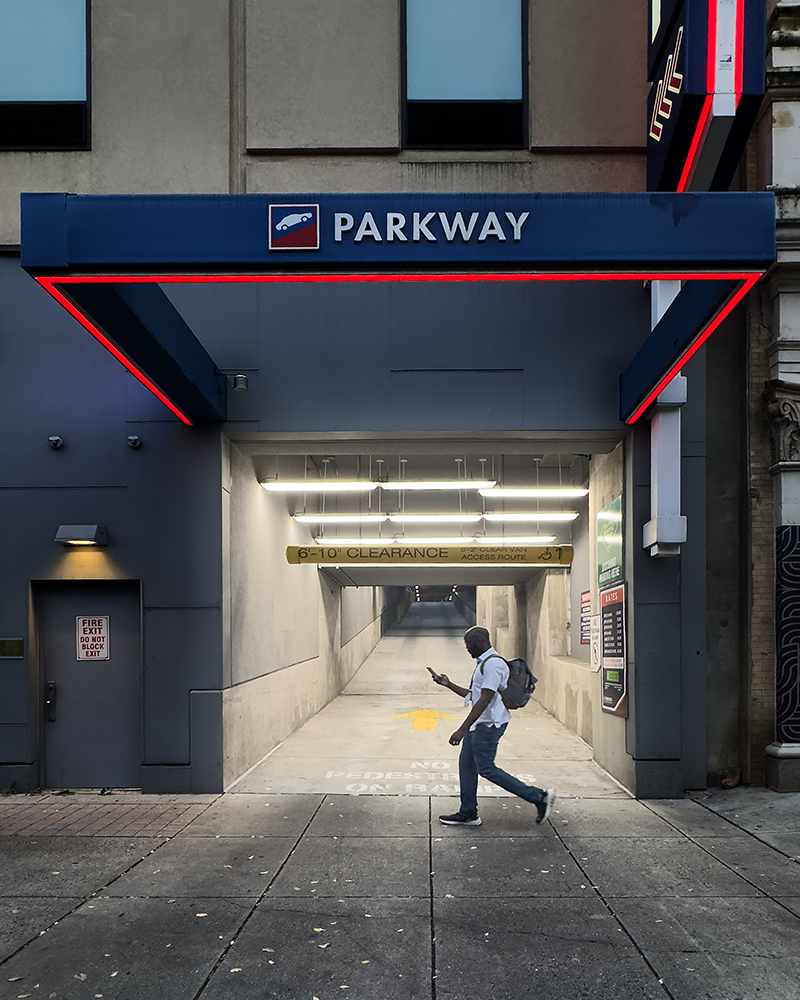
There is something mysterious and slightly malevolent about these ubiquitous urban facilities. They bring to mind a medieval Hellmouth, or jaws of Hell, usually pictured as the gaping mouth of a huge monster.
In parking garages, instead of sinners, sedans and SUVs are being swallowed, taken down alphabetized levels into the lower depths.
At night, the entrances glow with otherworldly fluorescence as theatre-goers and nightclubbers and dinner companions emerge to tell the tale.
How is a bed like a landscape?
The shifting pattern of sheets and pillows can be seen as a cloudy sky, and the stray clothes as mountainous features.
Like Alfred Stieglitz' images of skies in "Equivalents," these photographs of a bed, taken every morning, record a kind of emotional barometer—twisted, bared, nestled, smooth—of the state of a relationship.
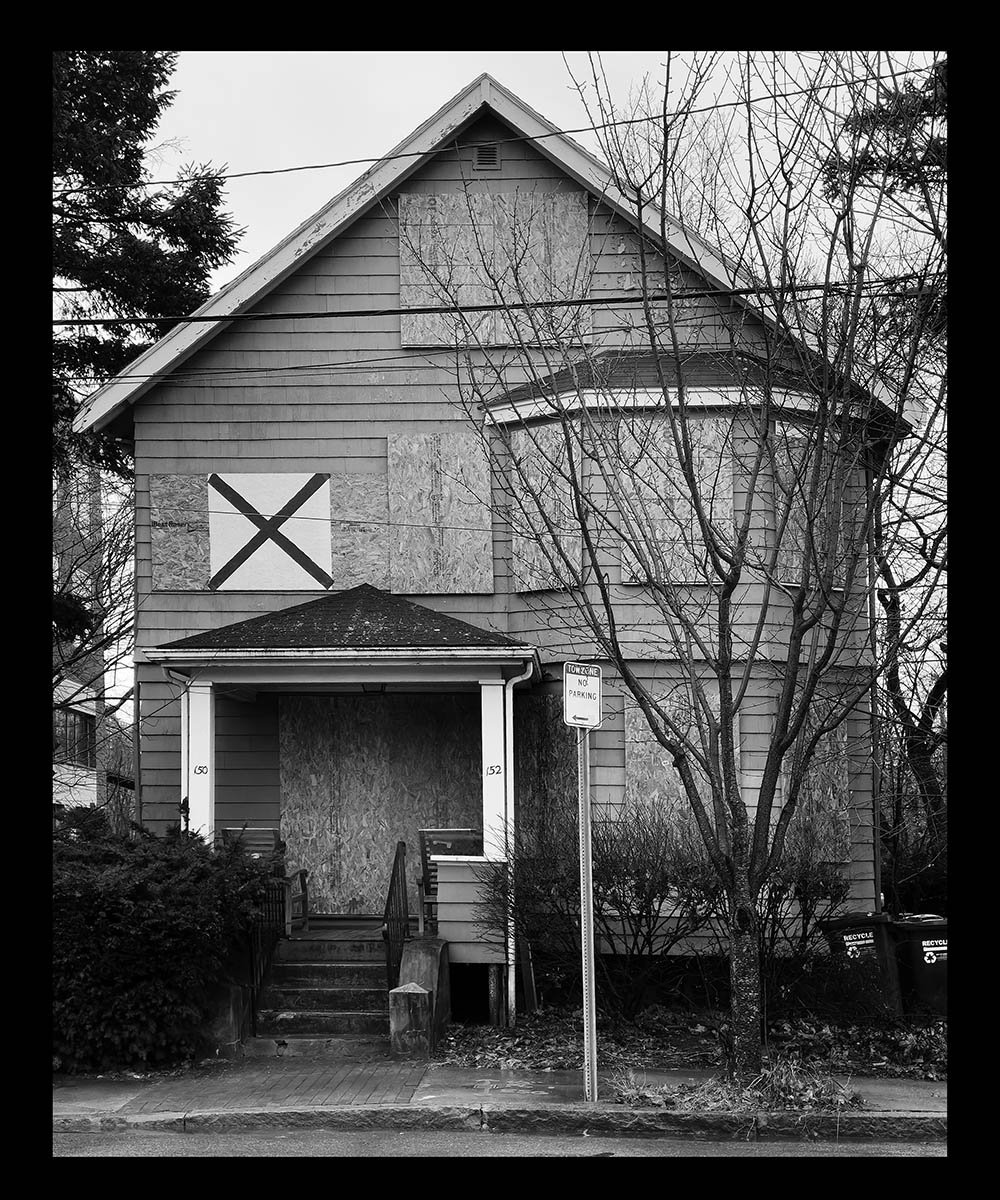
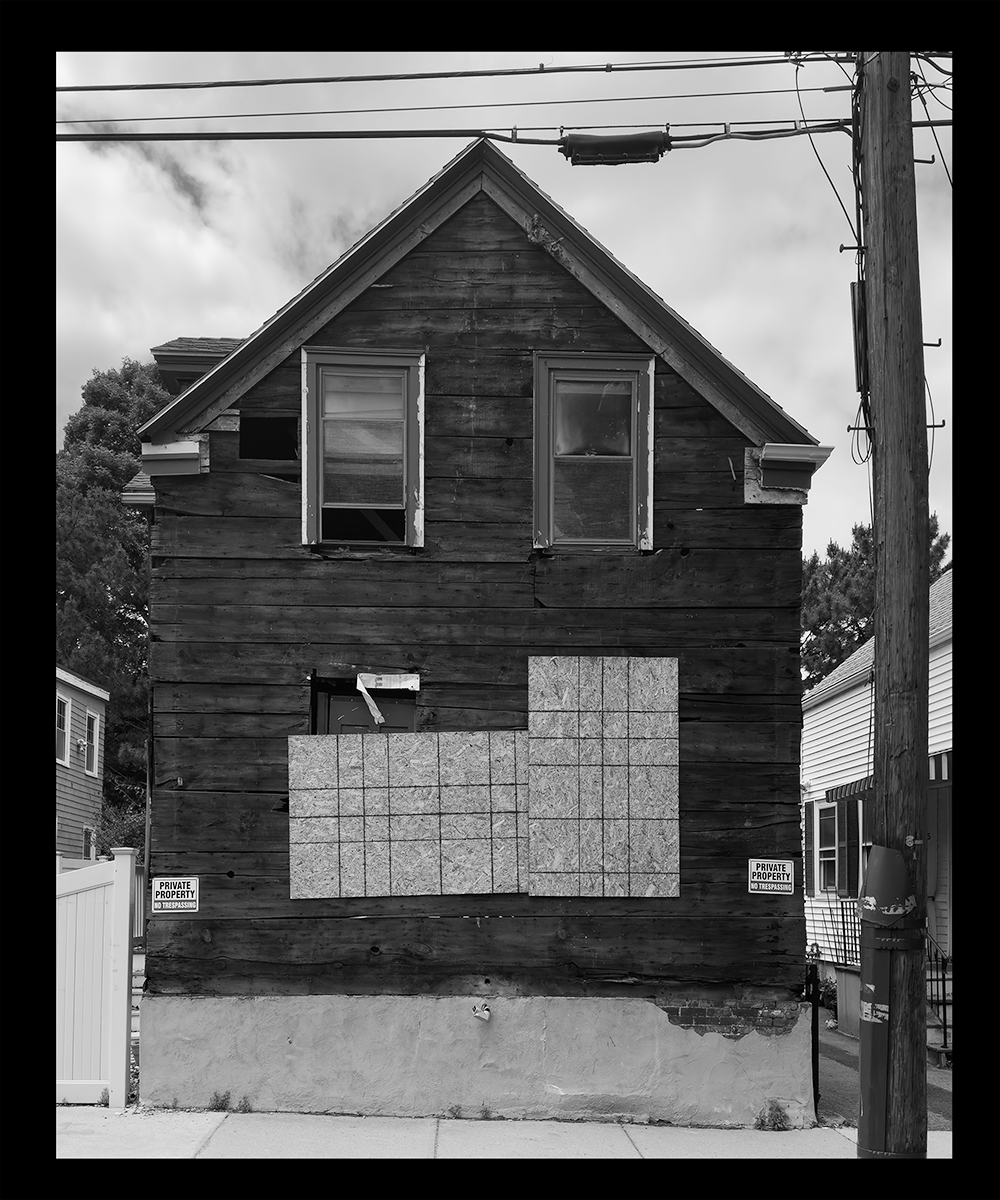
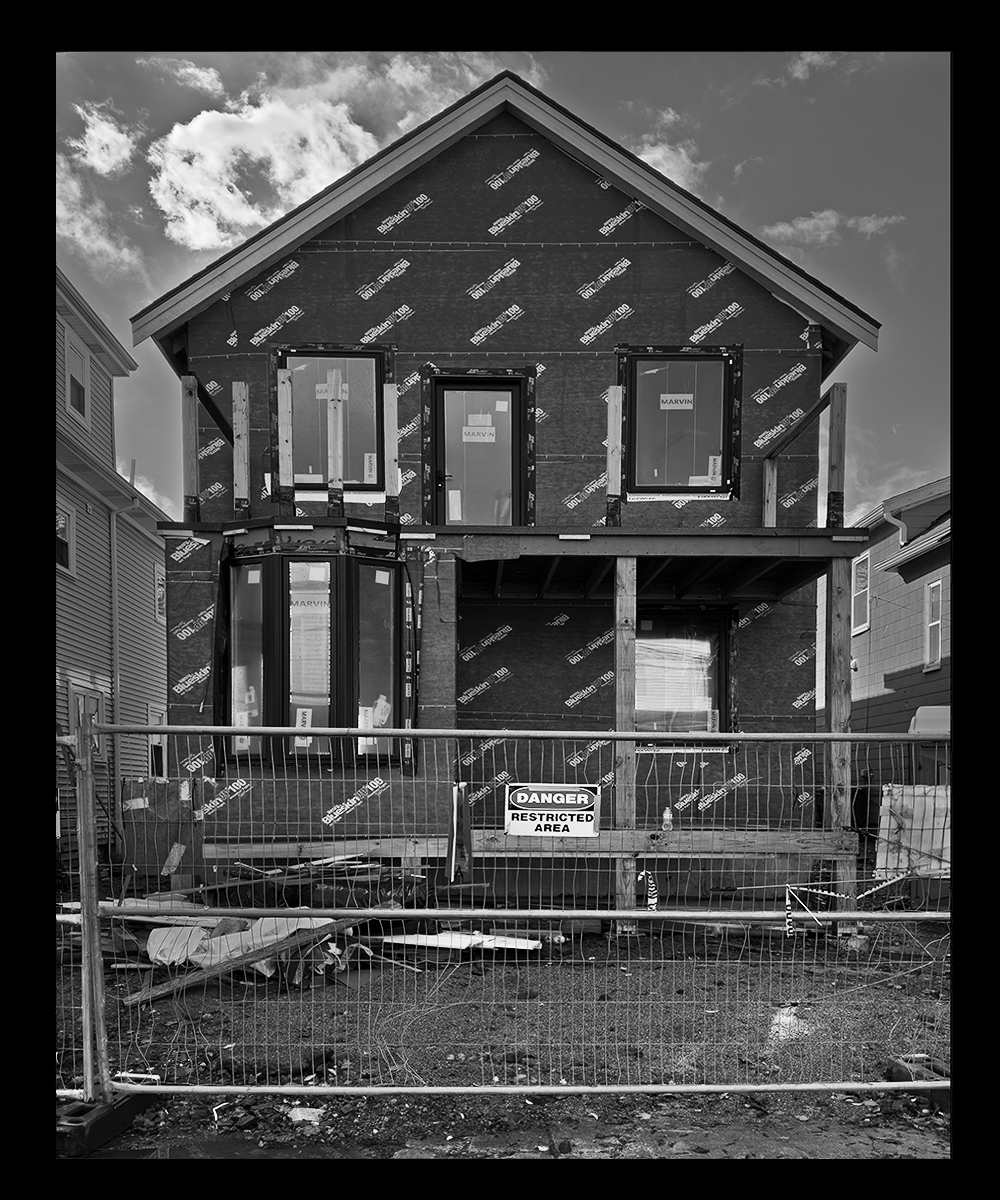
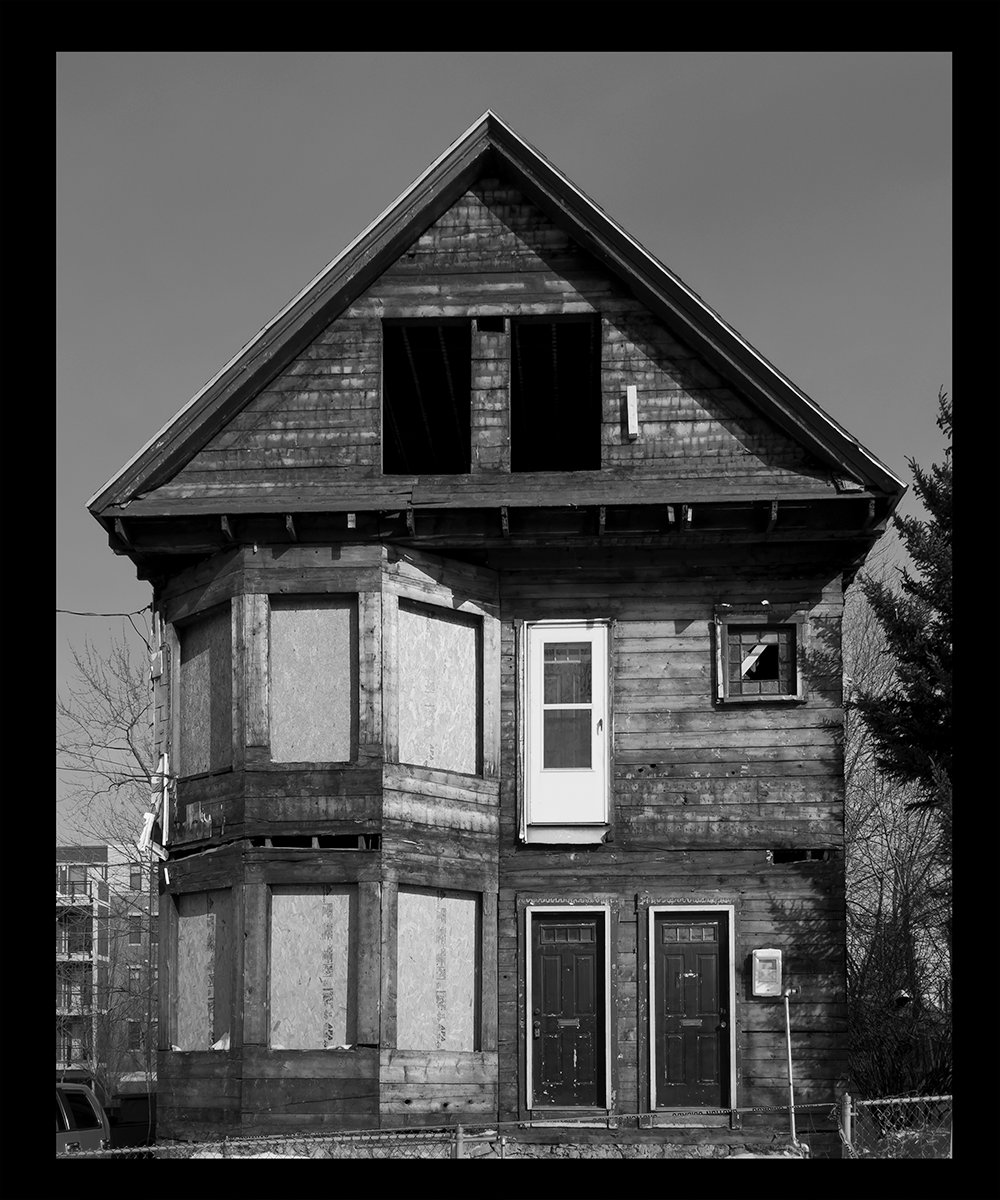
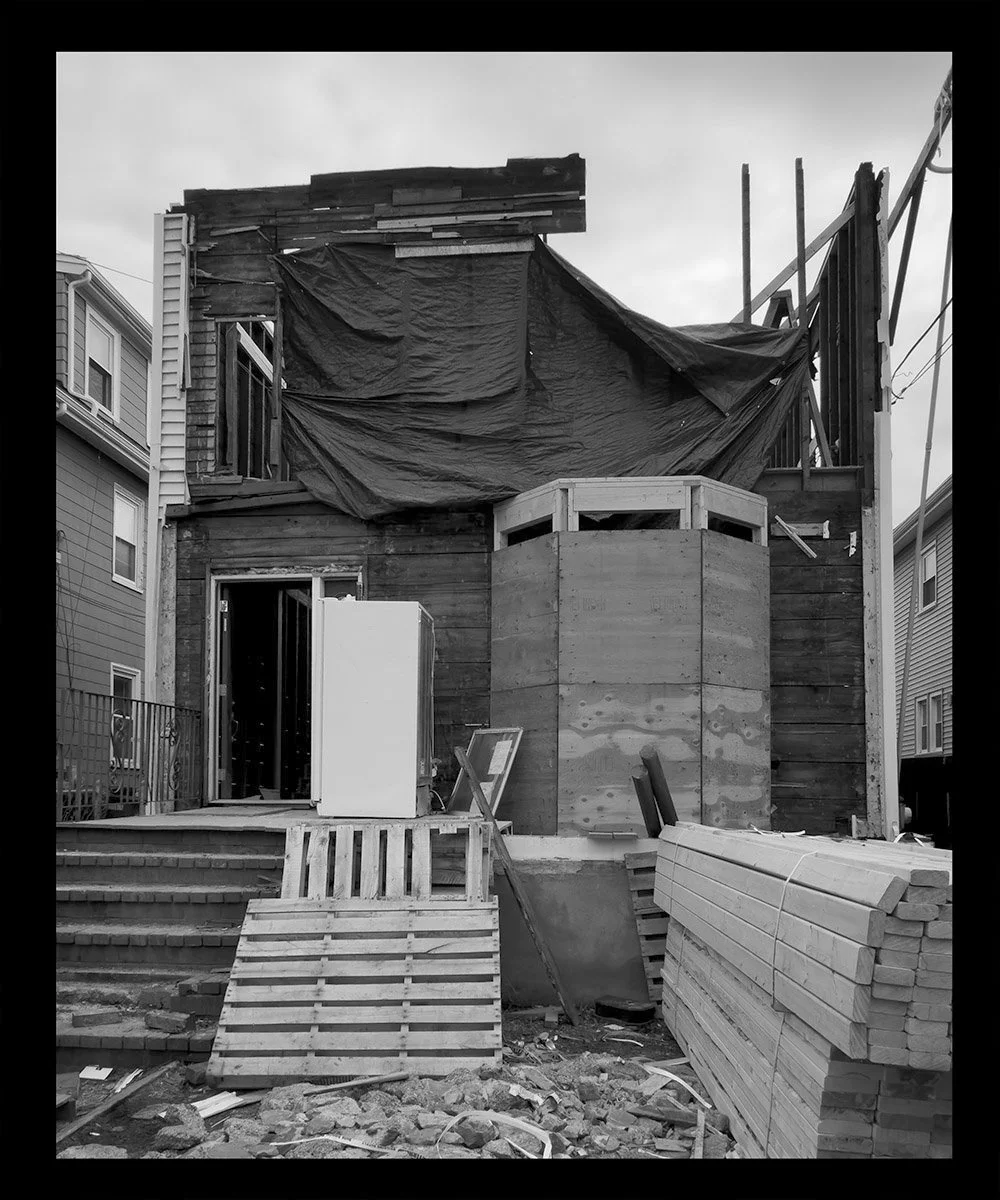
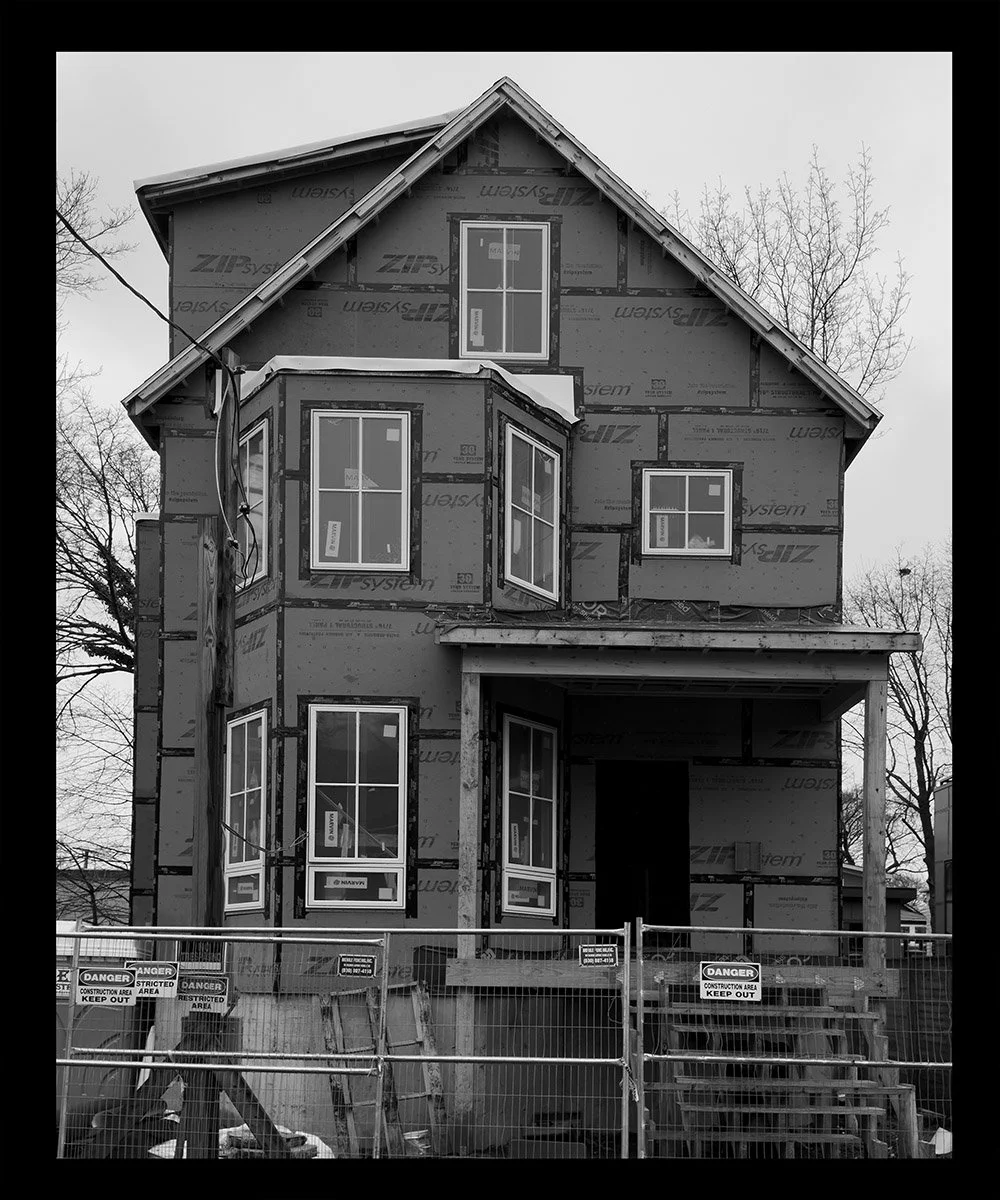
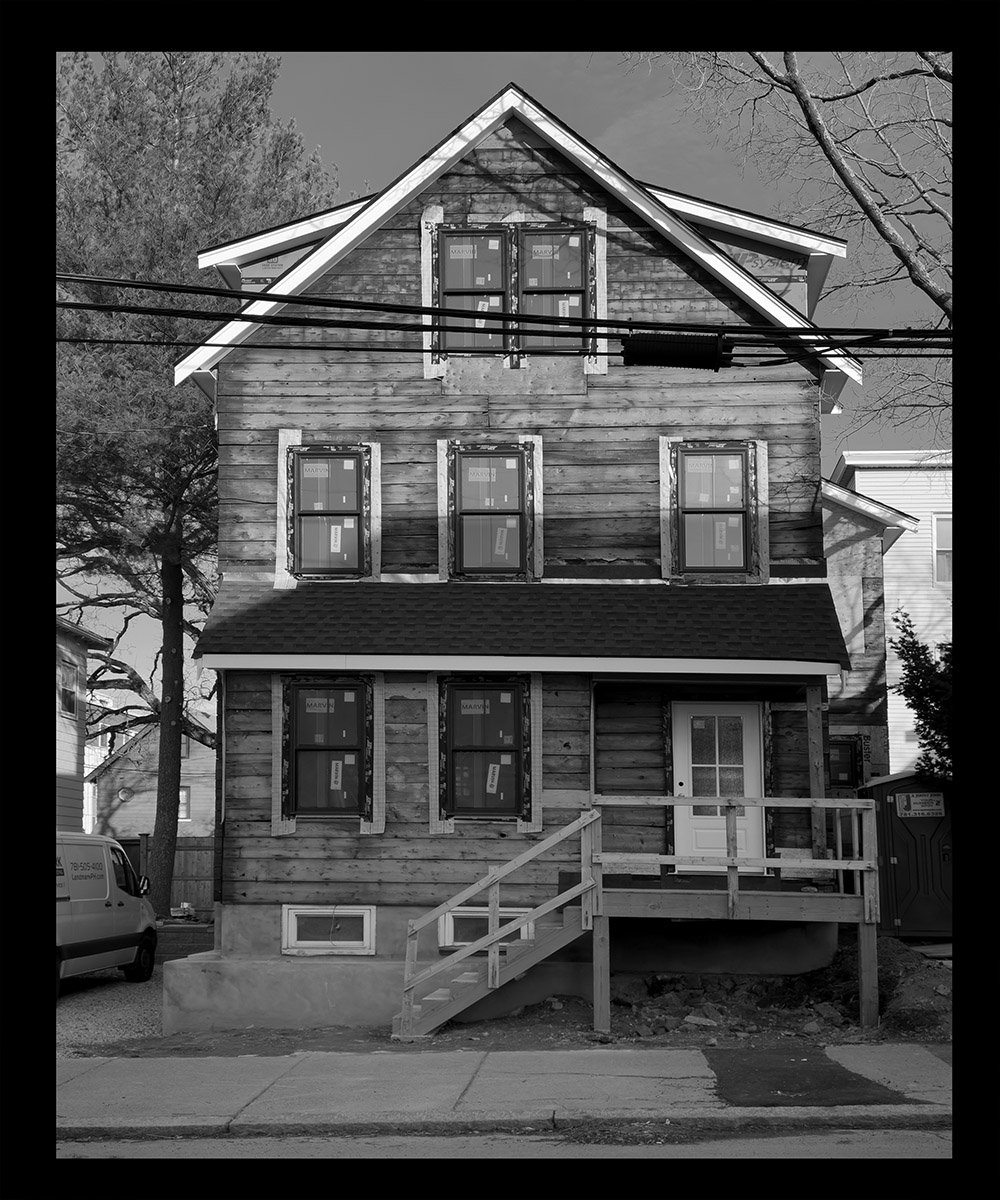
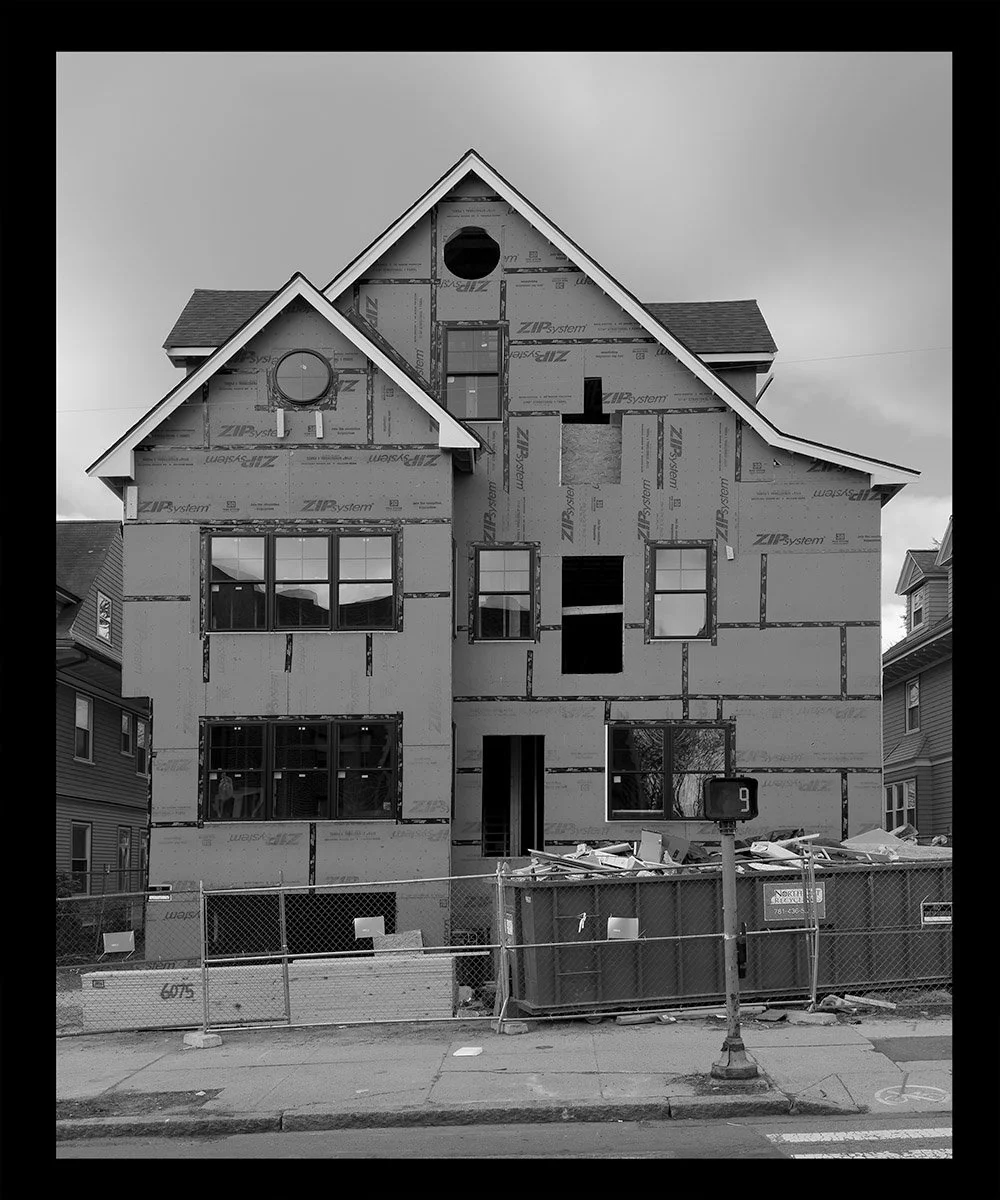
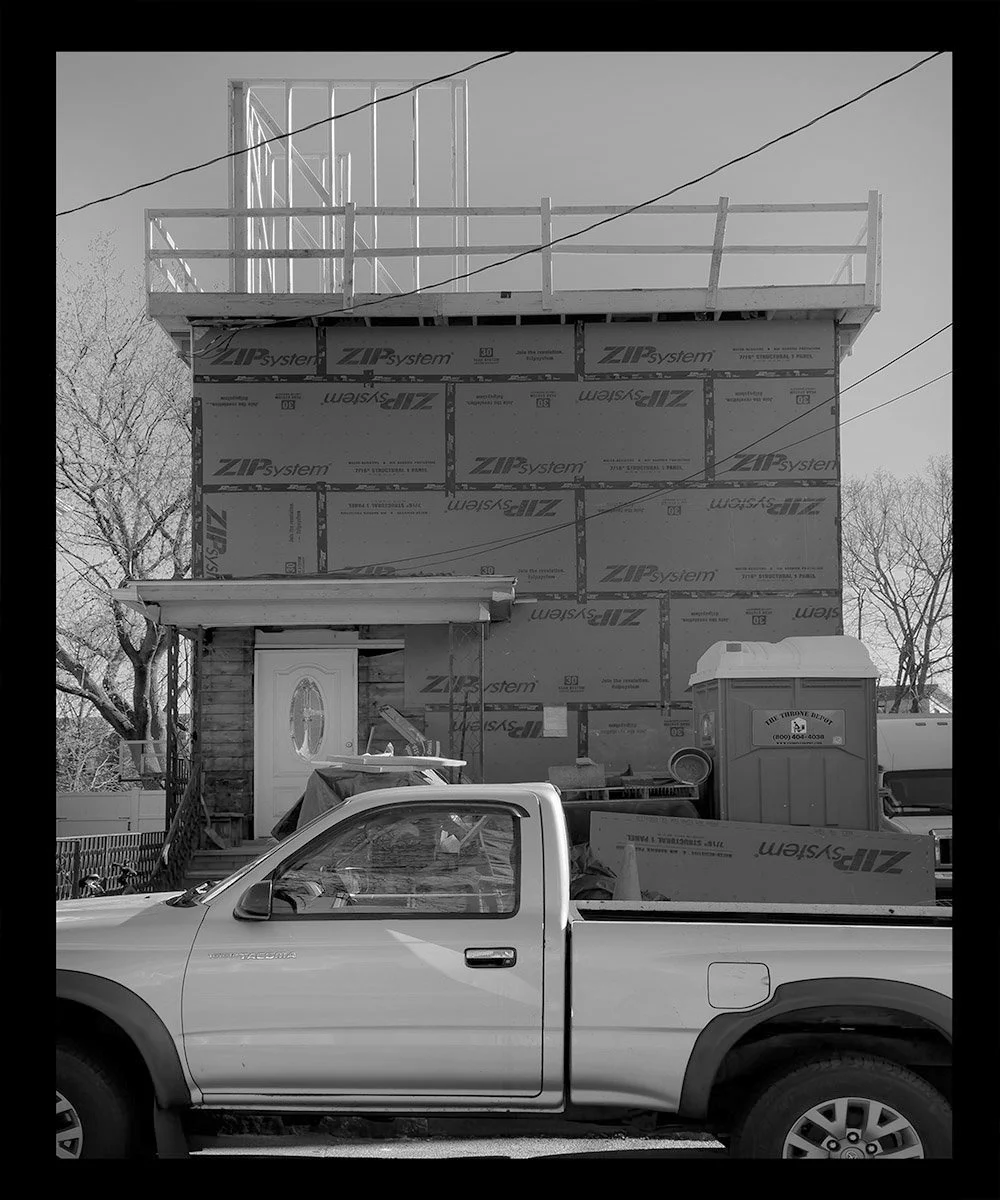
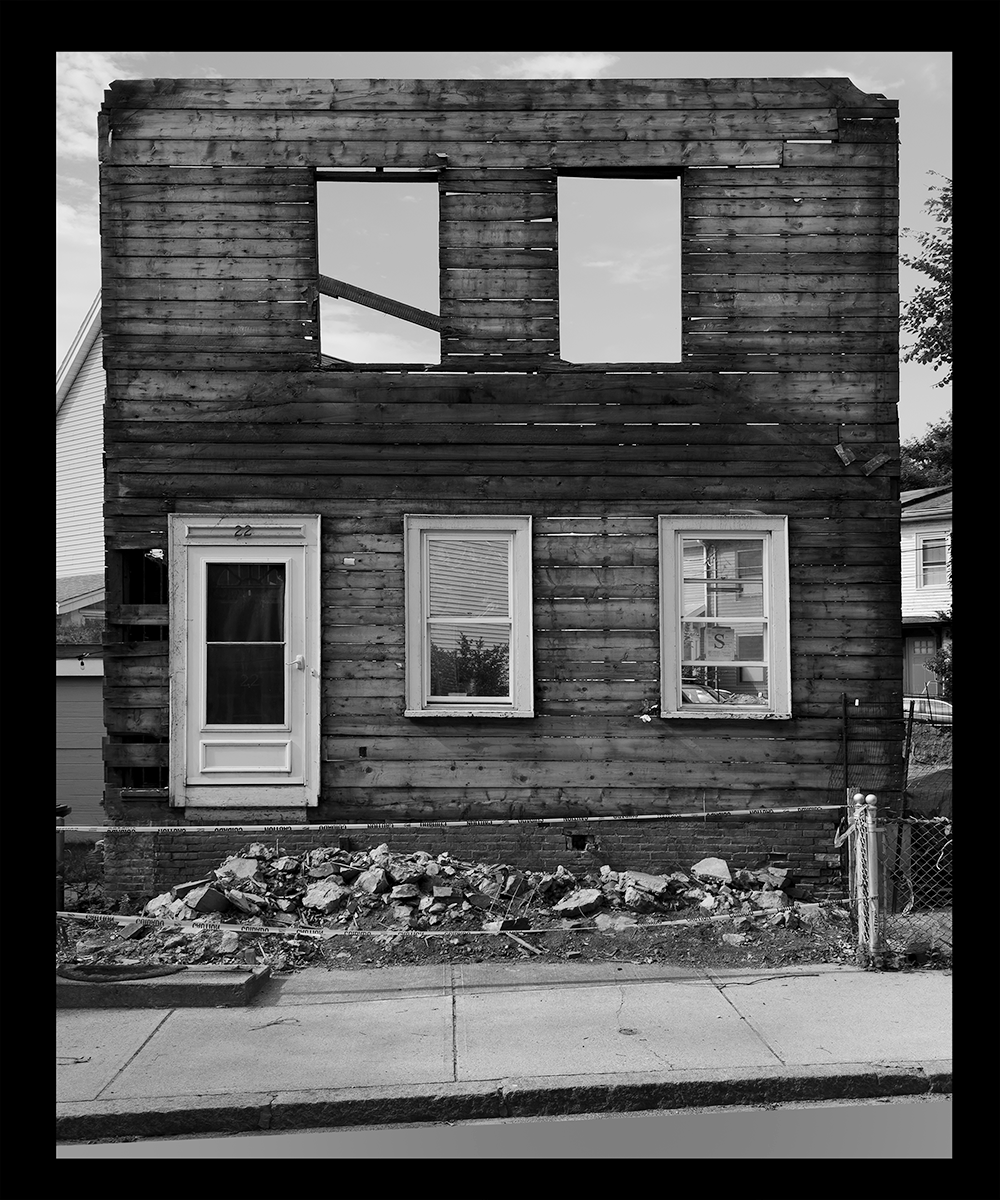
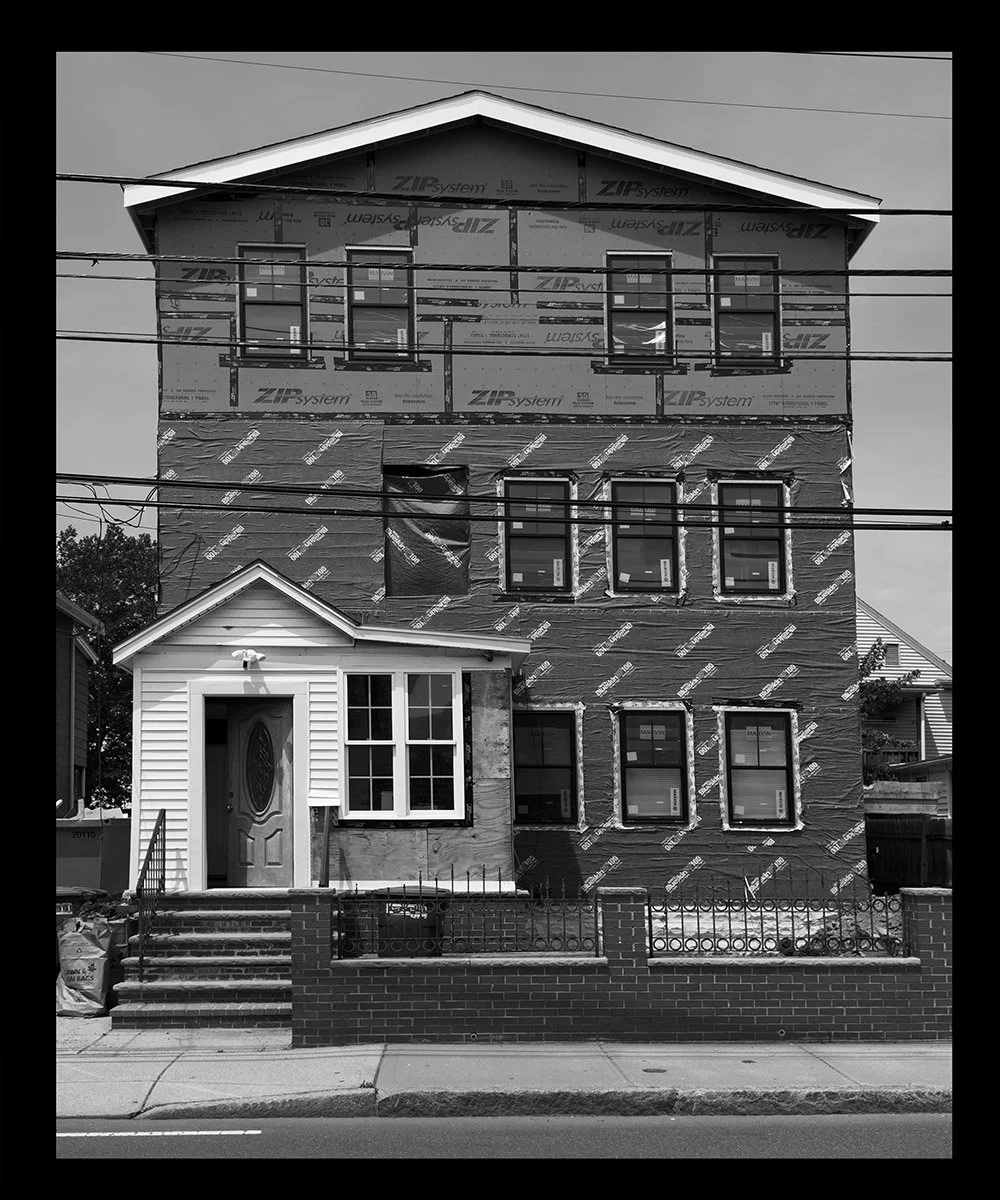
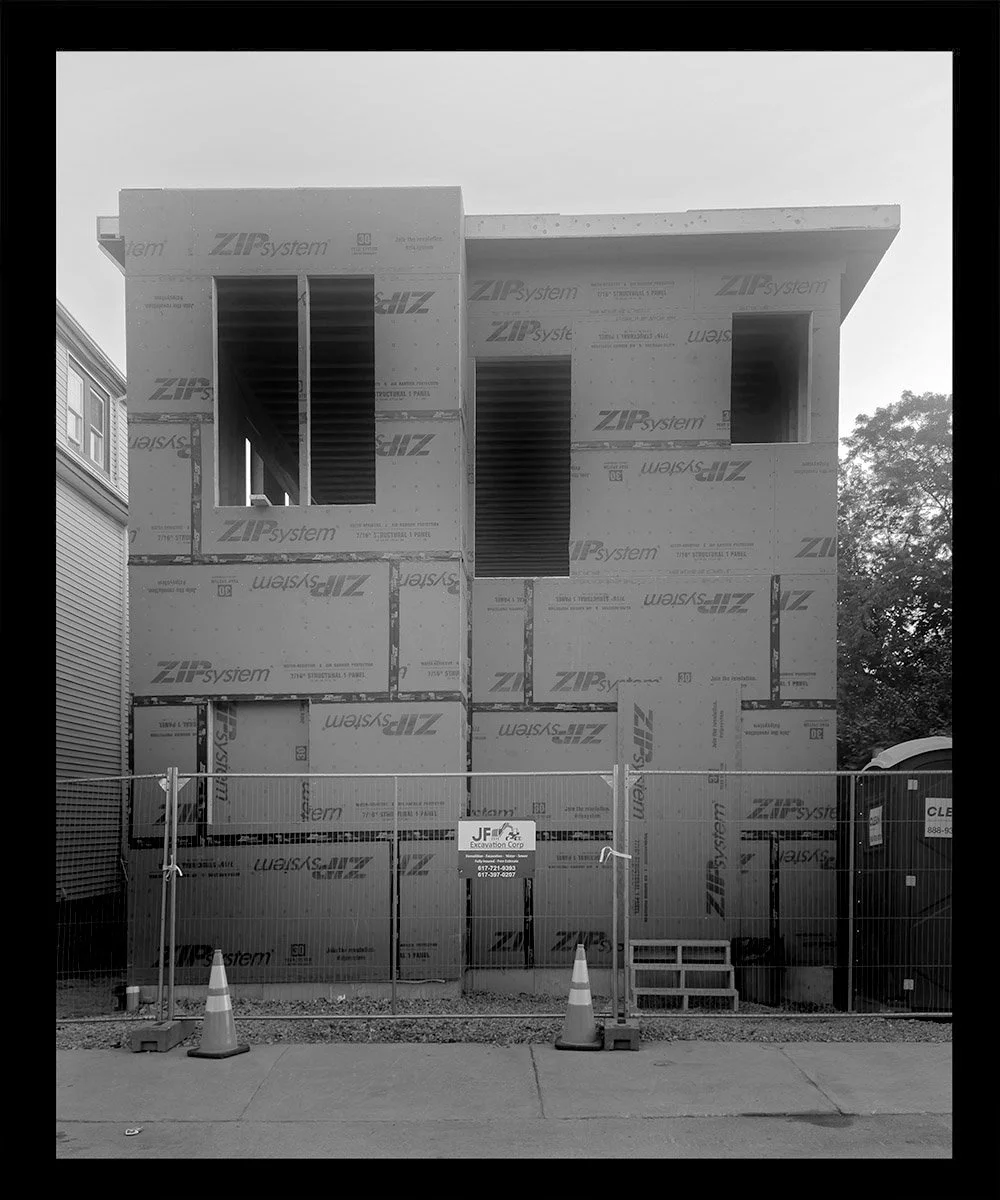
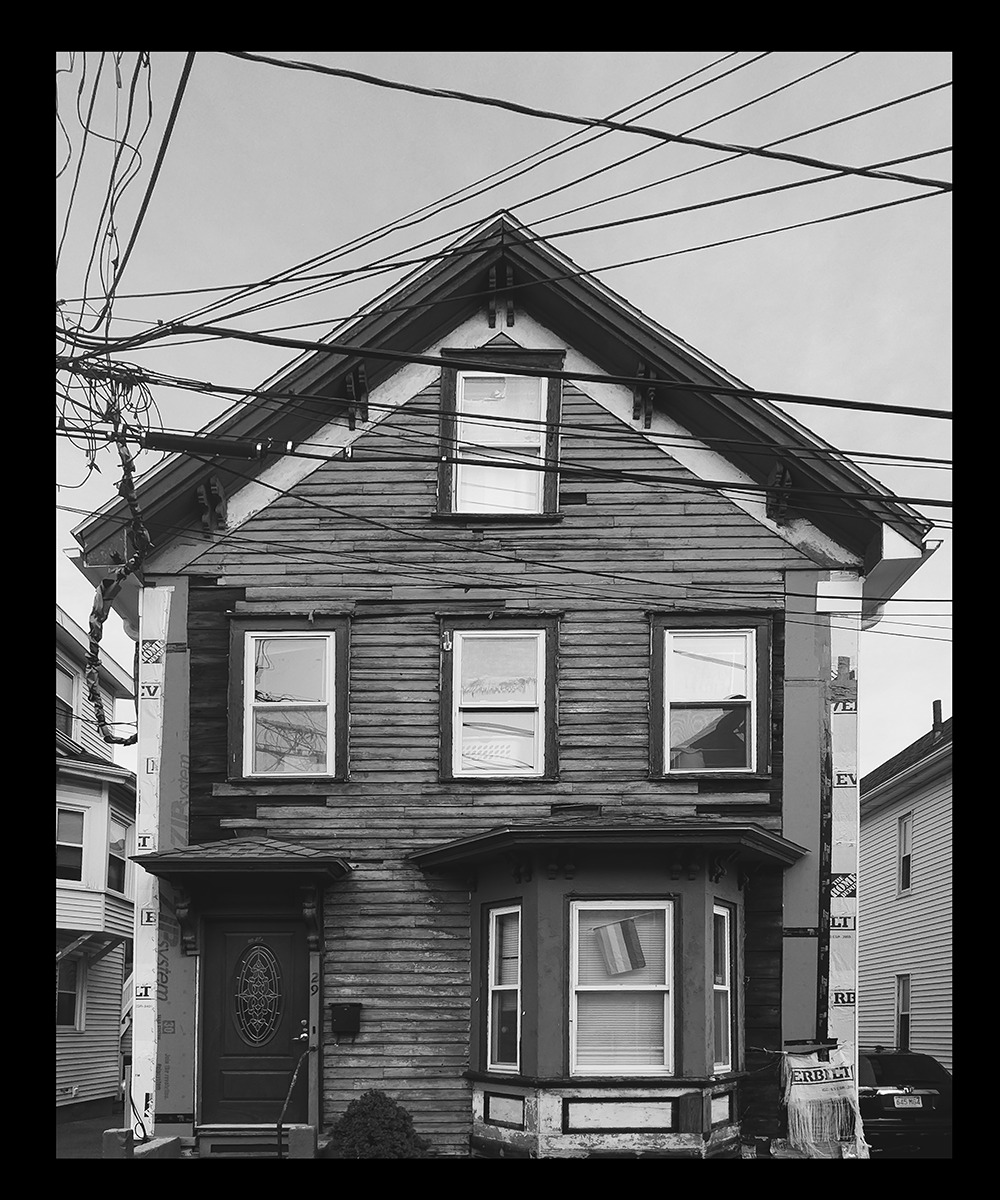
In the tradition of German photographers Bernd and Hilla Becher, who documented variations in industrial structures such as grain silos and water tanks, GUT JOB seeks to describe the typology of houses gutted for renovation in my city of Somerville, MA, across the river from Boston.
The deadpan presentation, similar to the Bechers’ grids, belies the violent social and cultural upheaval of gutting single and multifamily dwellings and converting them to luxury condos or residences.
This predatory practice rips apart the fabric of working class neighborhoods.
A book of photographs from GUT JOB is available for $8.99 from Blurb f(20 pages, 8.5 x 11”).
https://www.blurb.com/b/9550826-gut-job
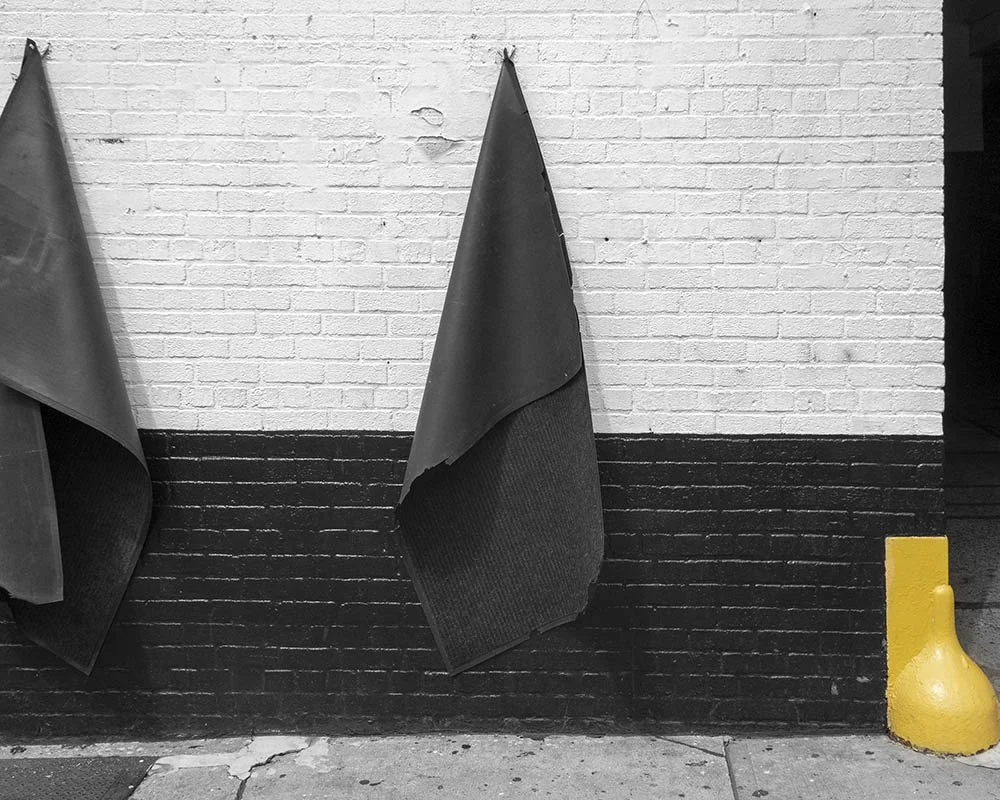
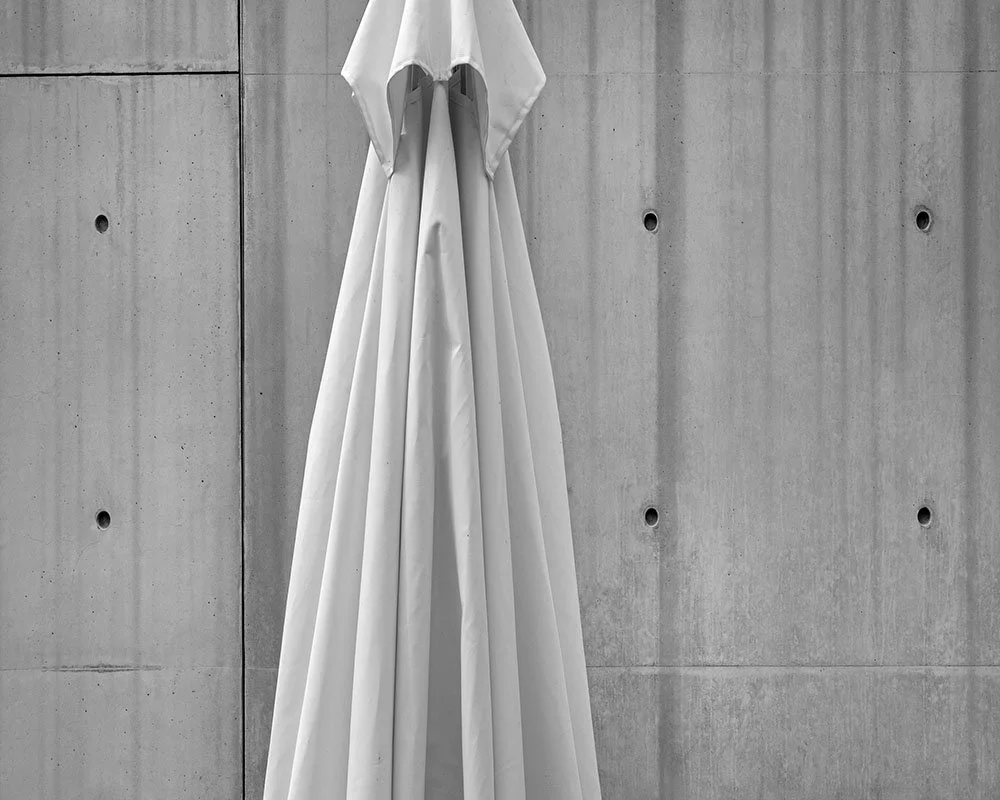
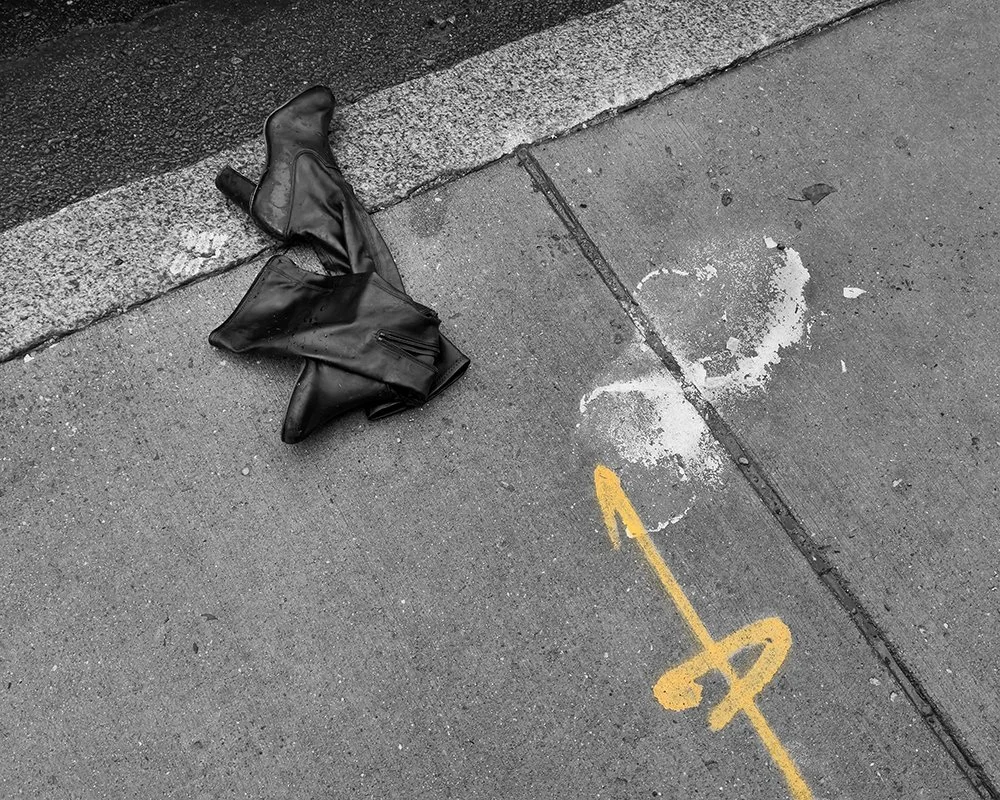
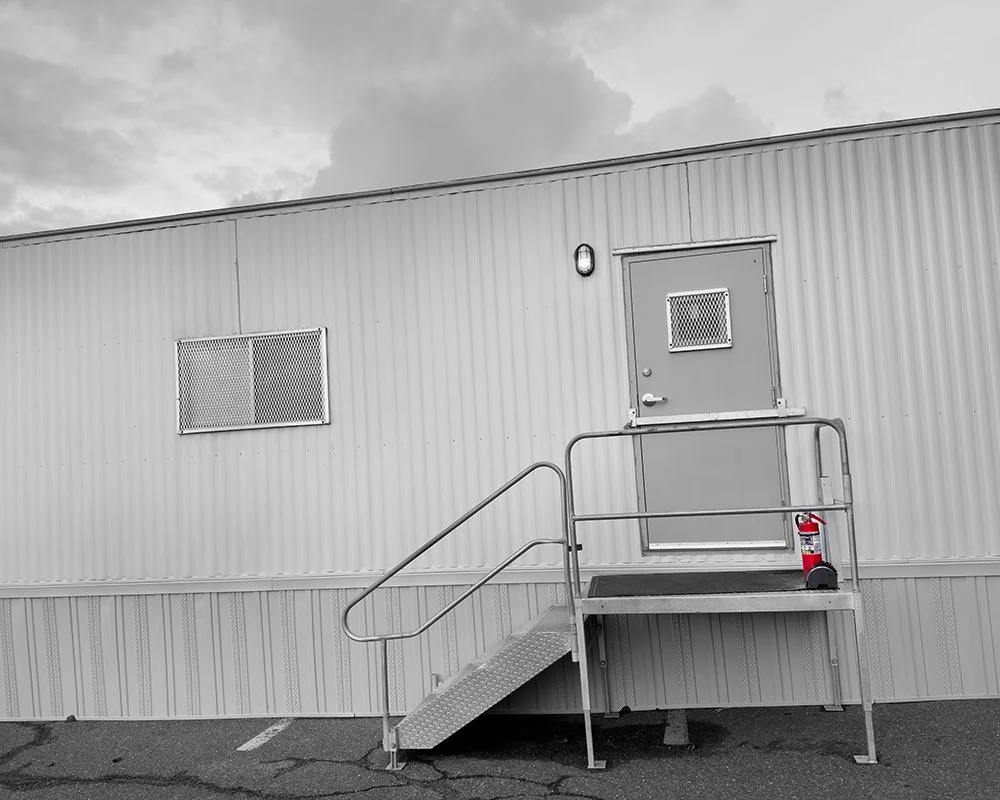
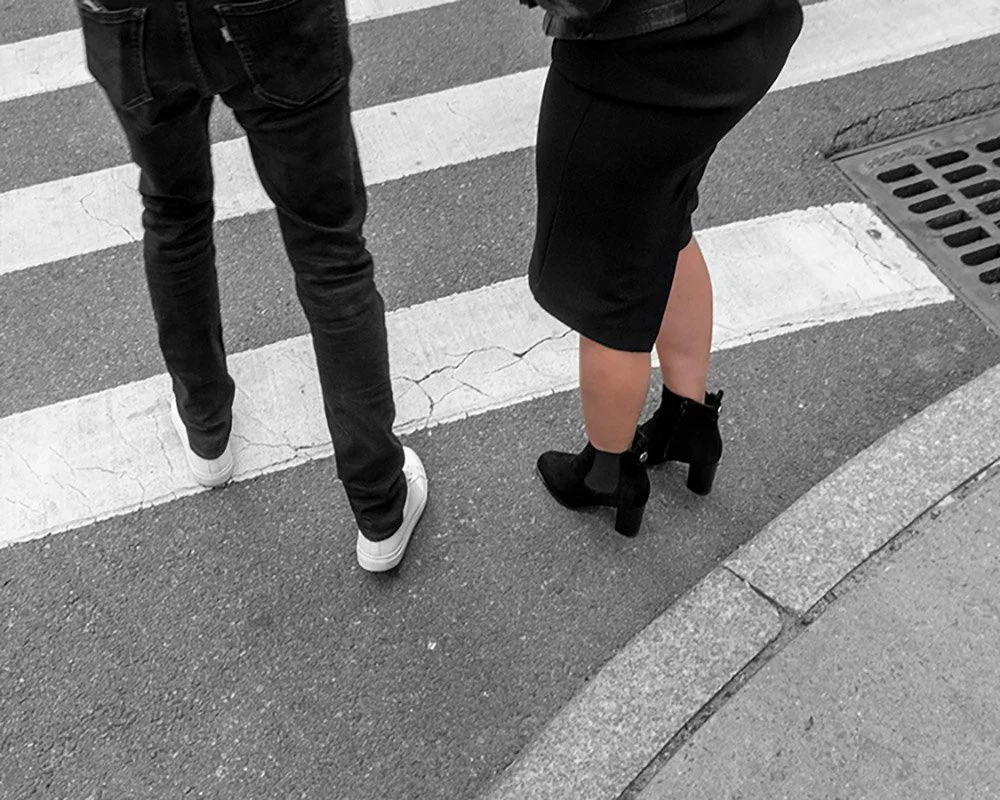
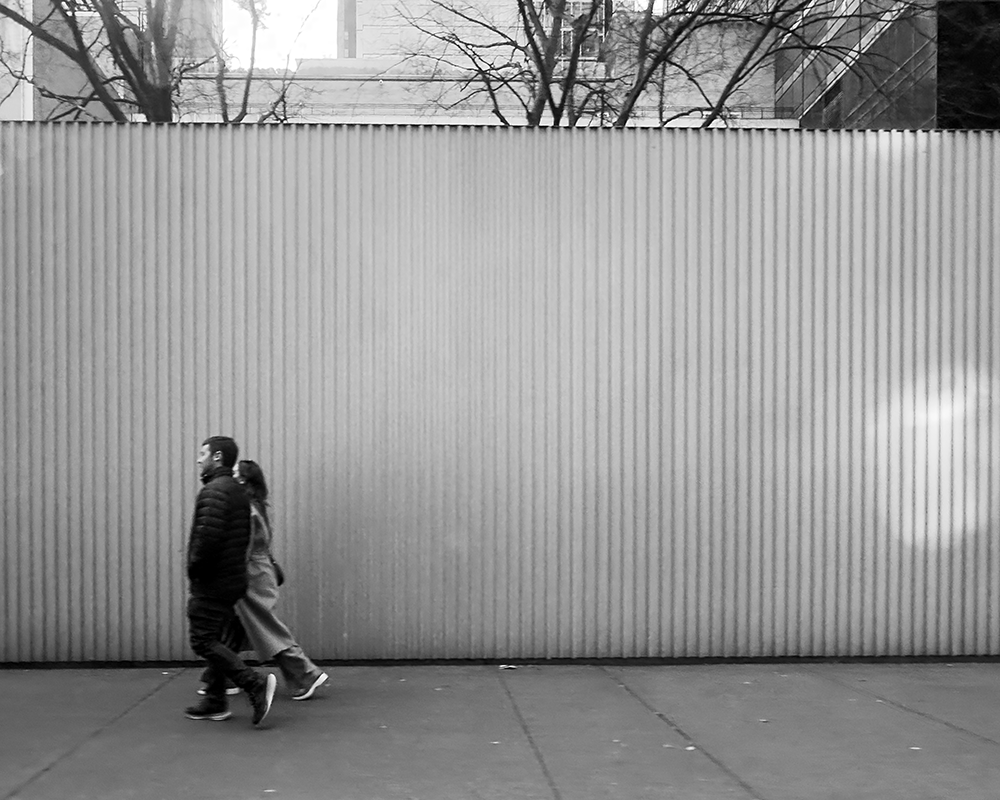
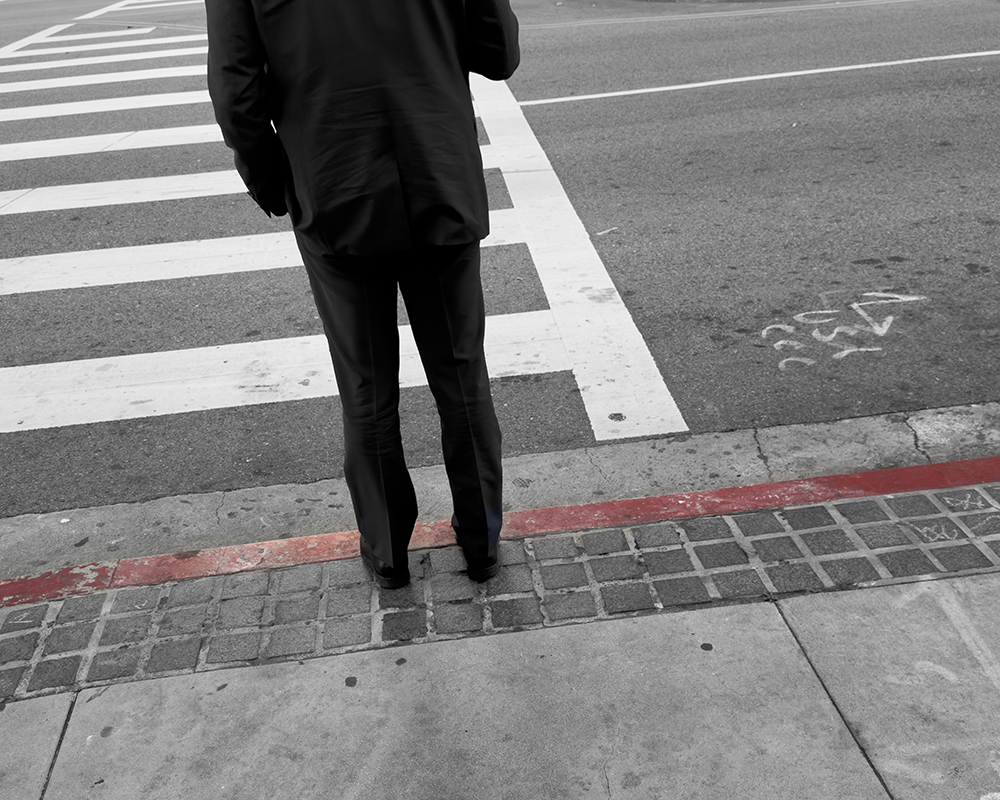
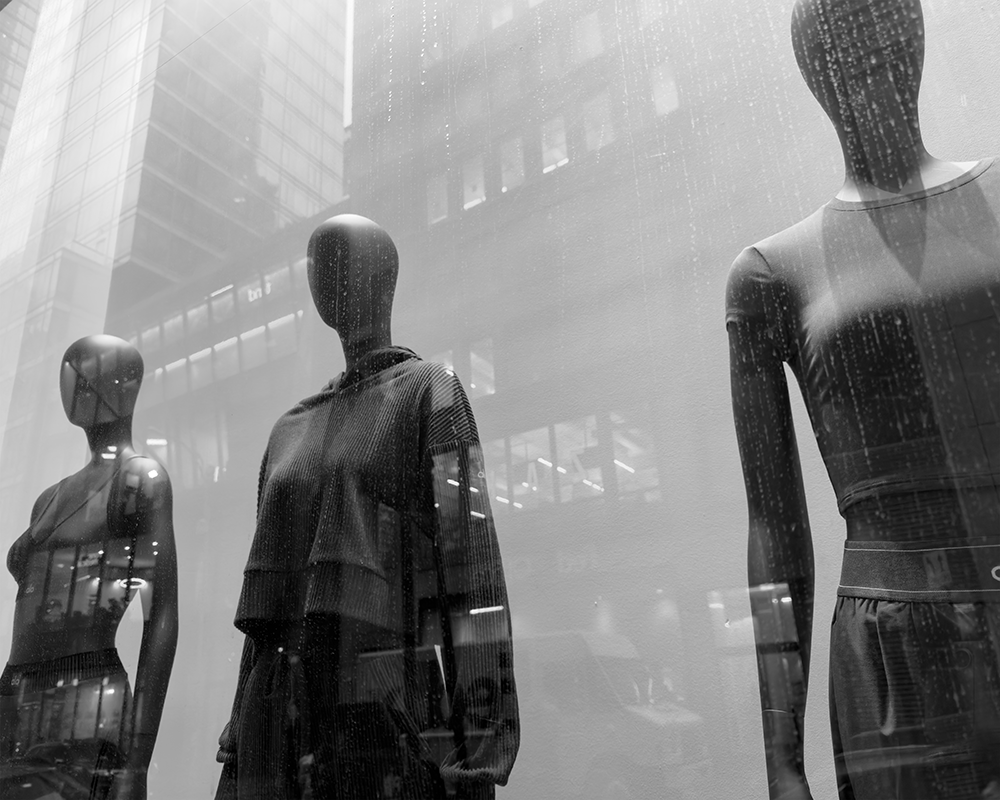
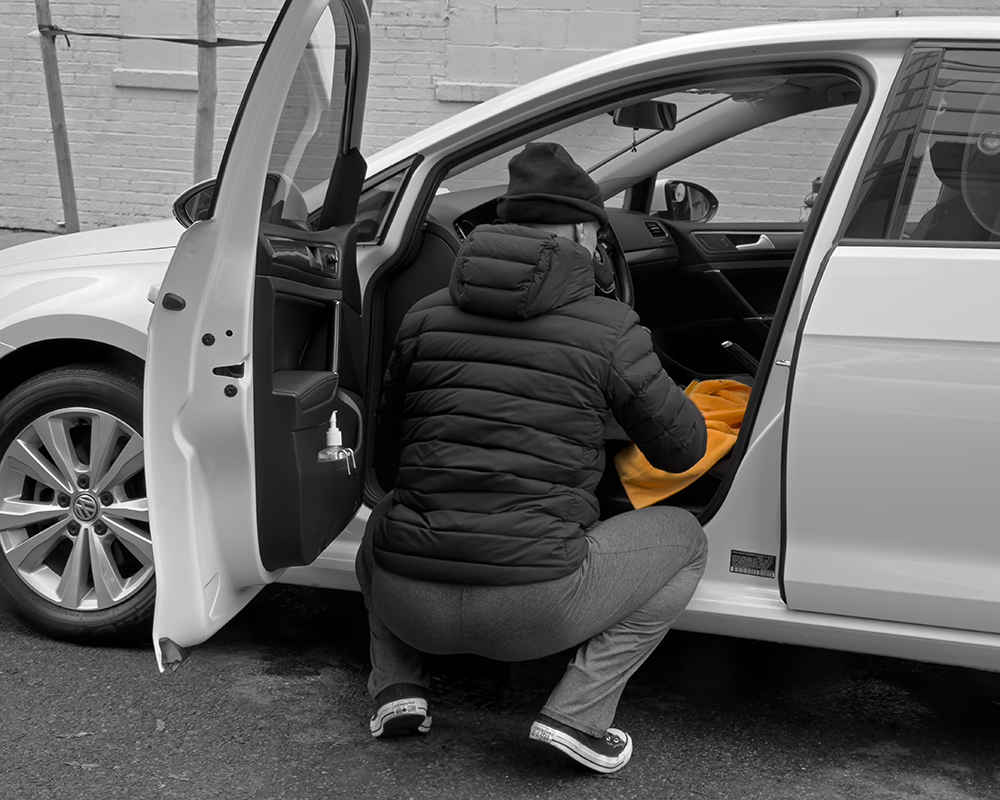
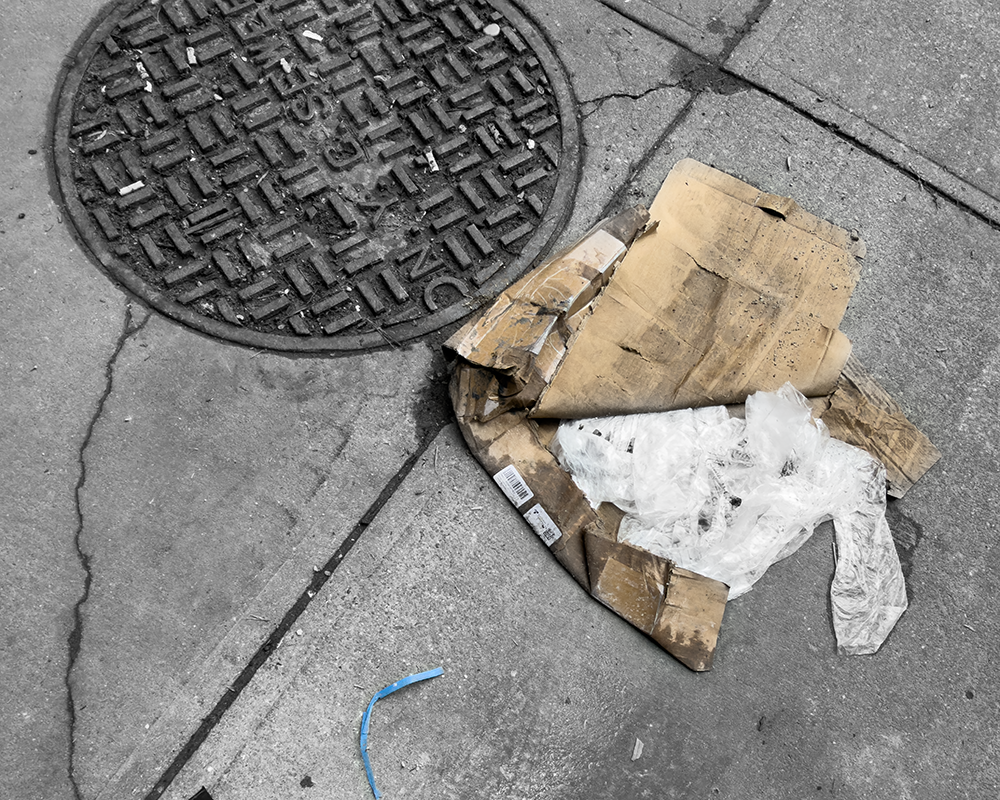
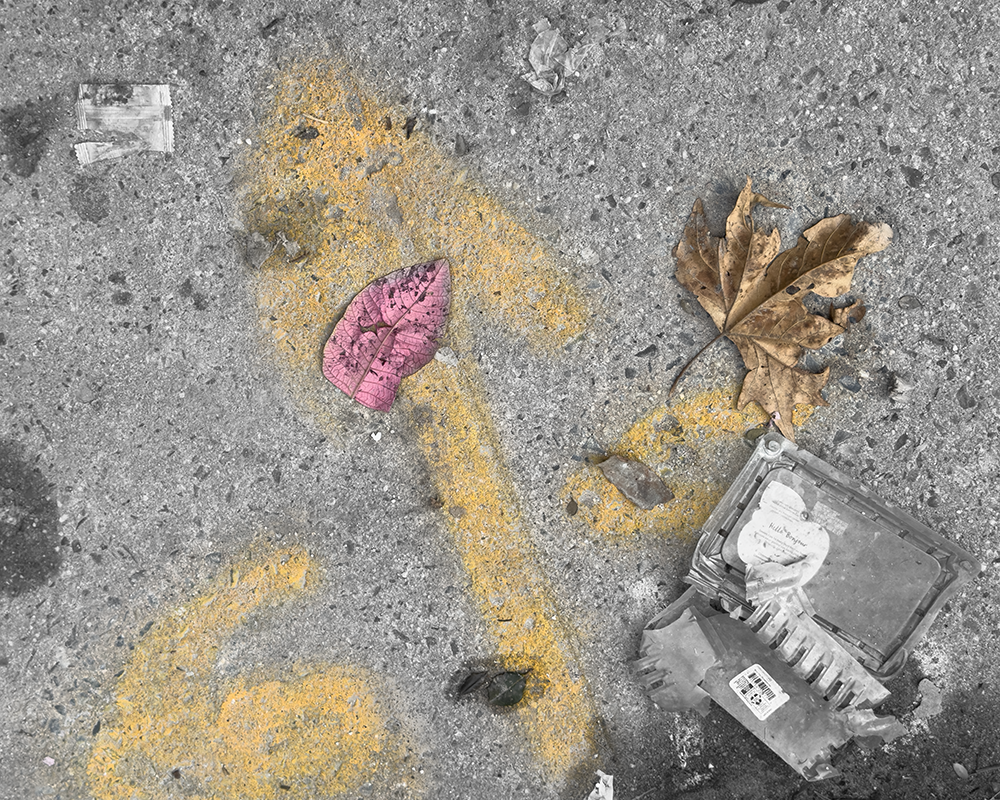
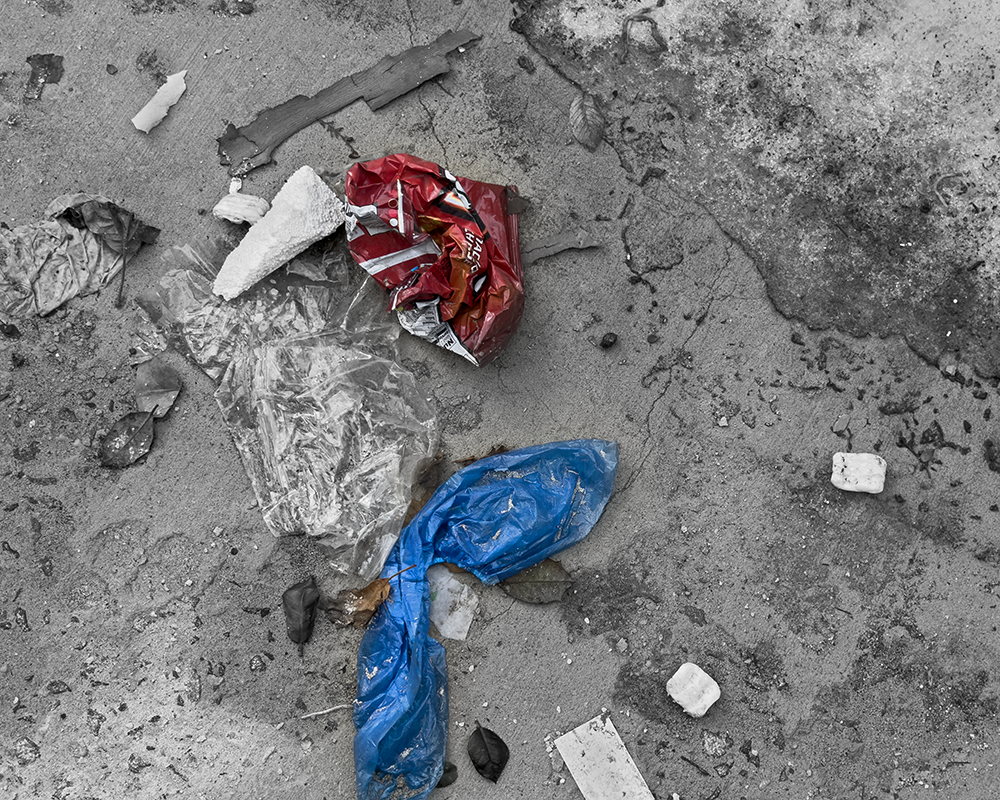
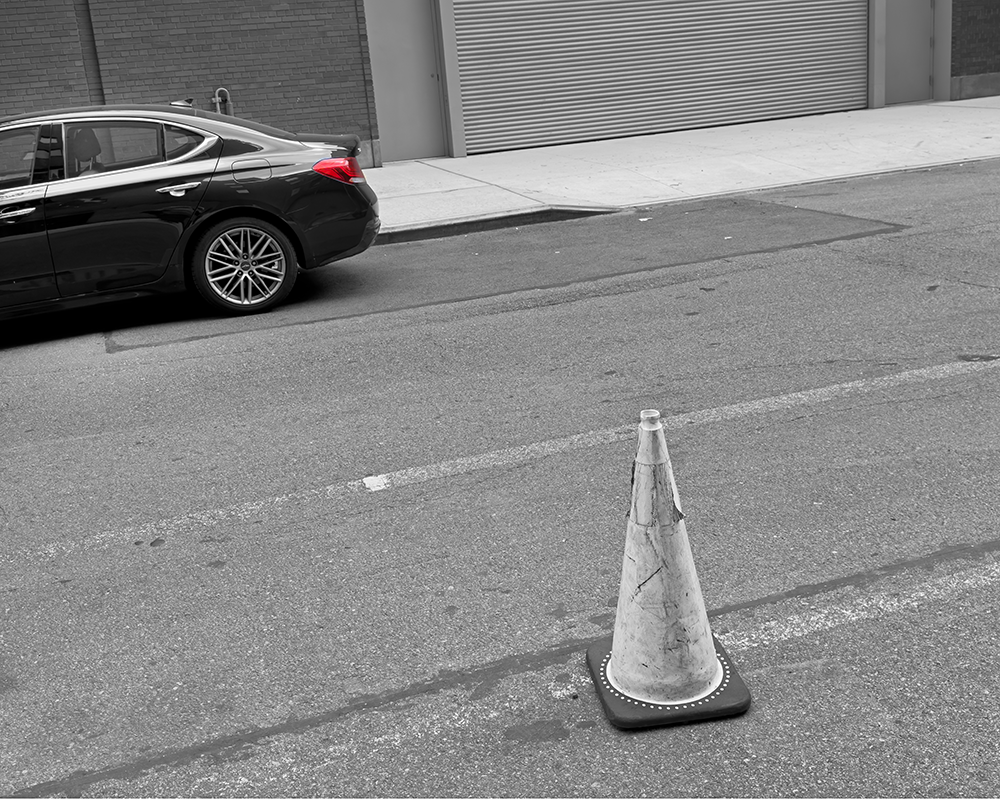
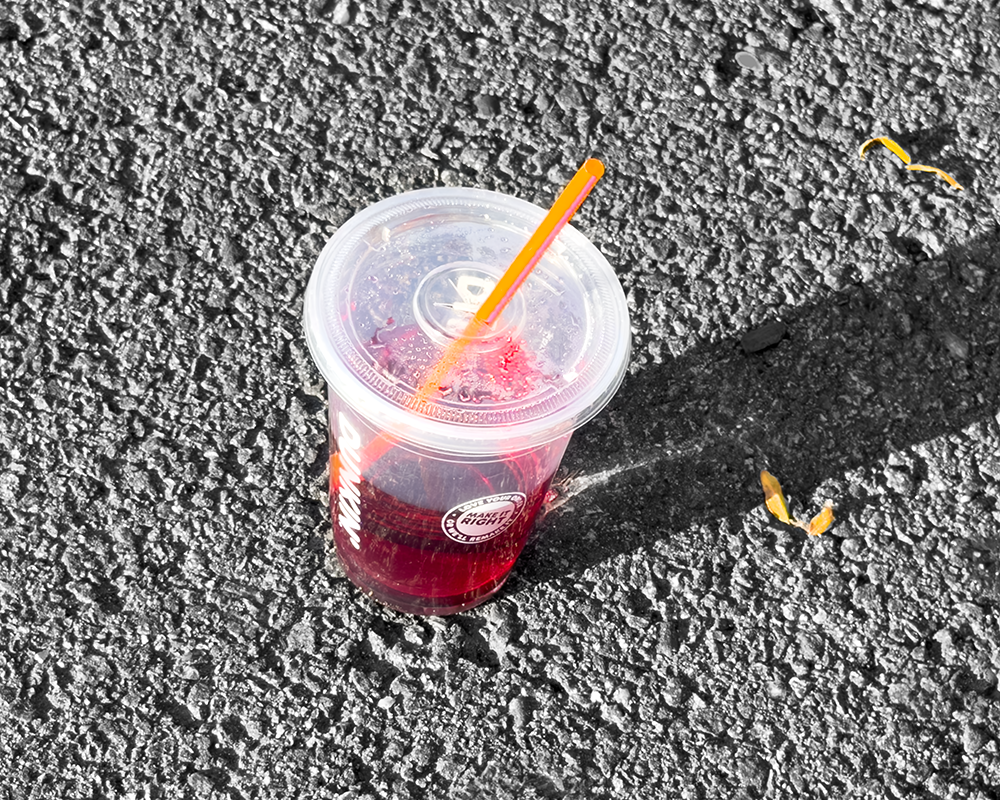
These monotone images are more than a (shade) ironic: taken of street scenes that are mostly black and white already, with an occasional flash of orange, red or yellow.
There are clumps of discarded clothing, curlicued railings, wrapped-up motorcycles—and shop signs that state the obvious: “Black and White,” “Richard Gray Gallery.” And plenty of pavement with a traffic cone or barricade popping up.
It’s surprising, once you start looking, how much of the city is a camera-ready grisaille.
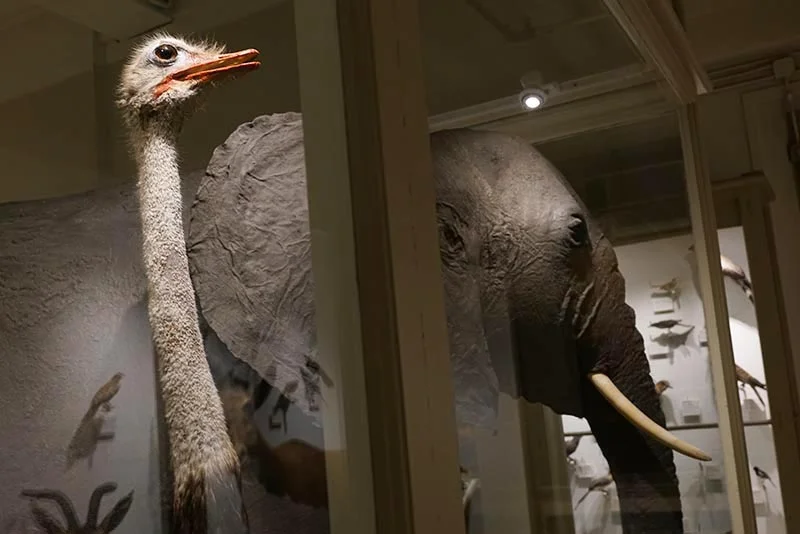
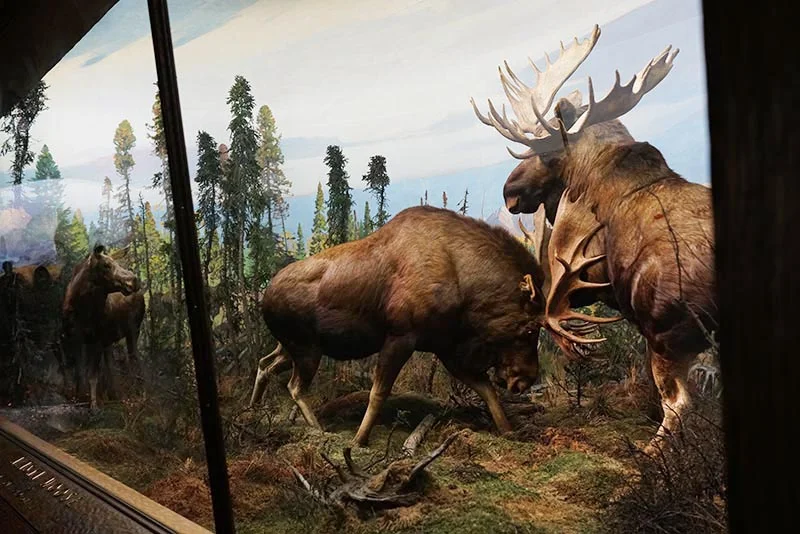
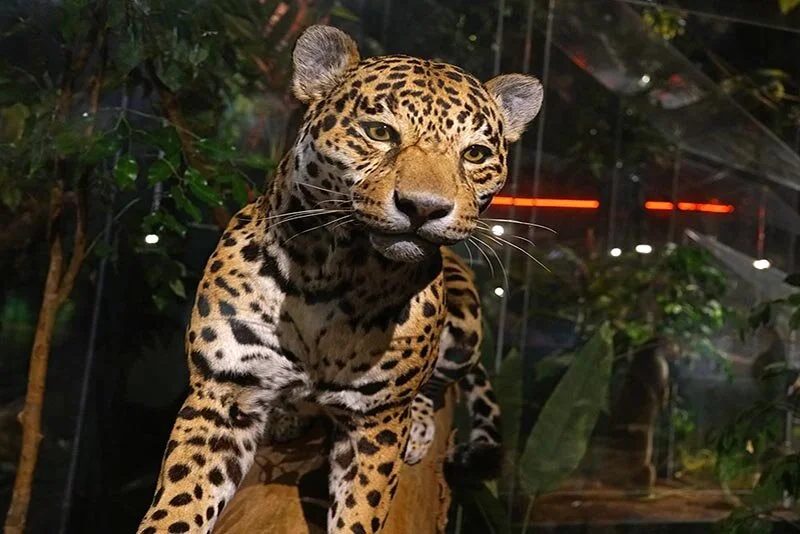
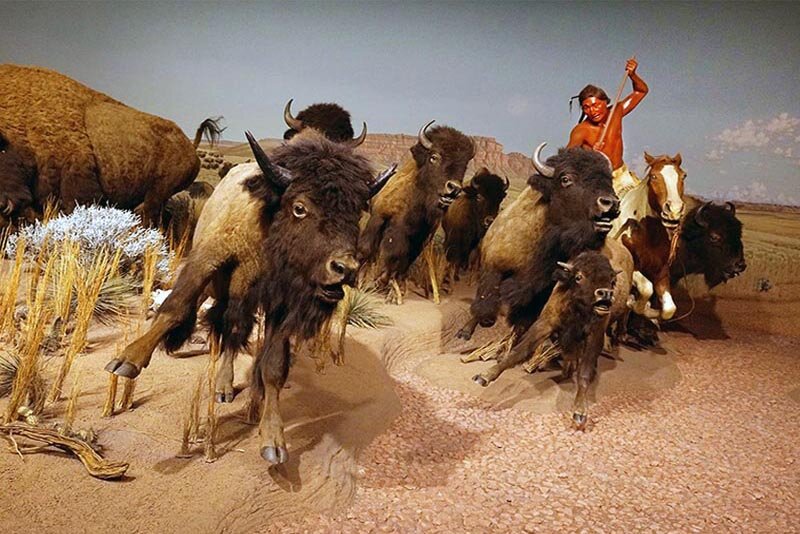
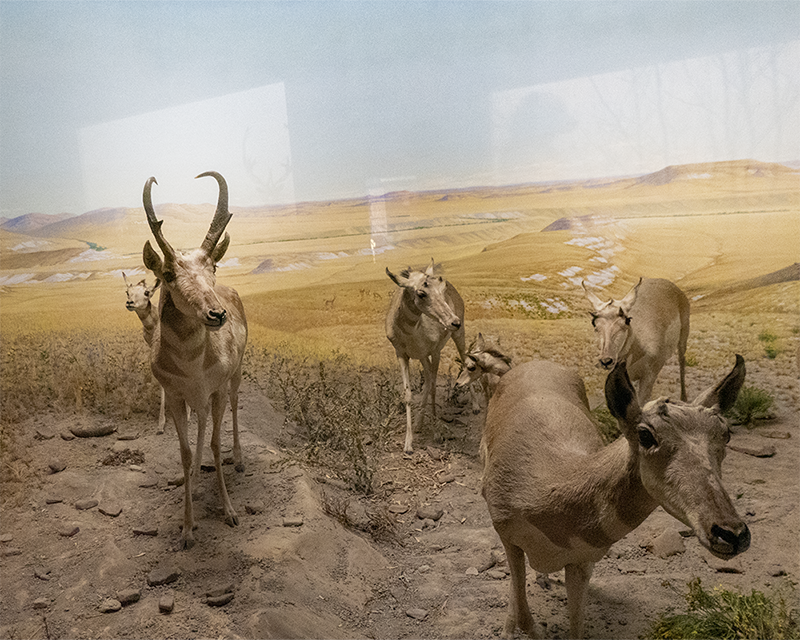
Taken in natural history museums, including the Field Museum in Chicago and the American Museum of Natural History in New York, these photographs make close contact with the animals, while including all the context of the displays: glass cages, neon tubes, elaborate descriptive labels.
It is as if the natural history dioramas are standing in for an overly mediated world, frozen in place and categorized. Yet even as the artificiality reveals itself, a kind of empathy emerges. An antelope noses the glass. A zebra peers out from a thicket. A giraffe cranes its neck against a false sky.
The creatures, for the most part, appear content, literally in their element—while the shadows of onlookers lurk at the edges. It's unclear whether the animals or humans are held captive, and on which side of the glass lies a dys- or utopia.
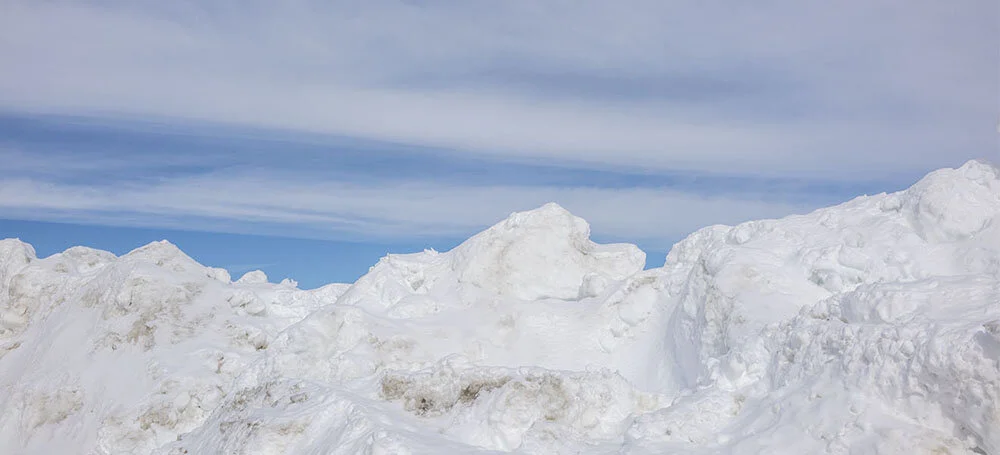
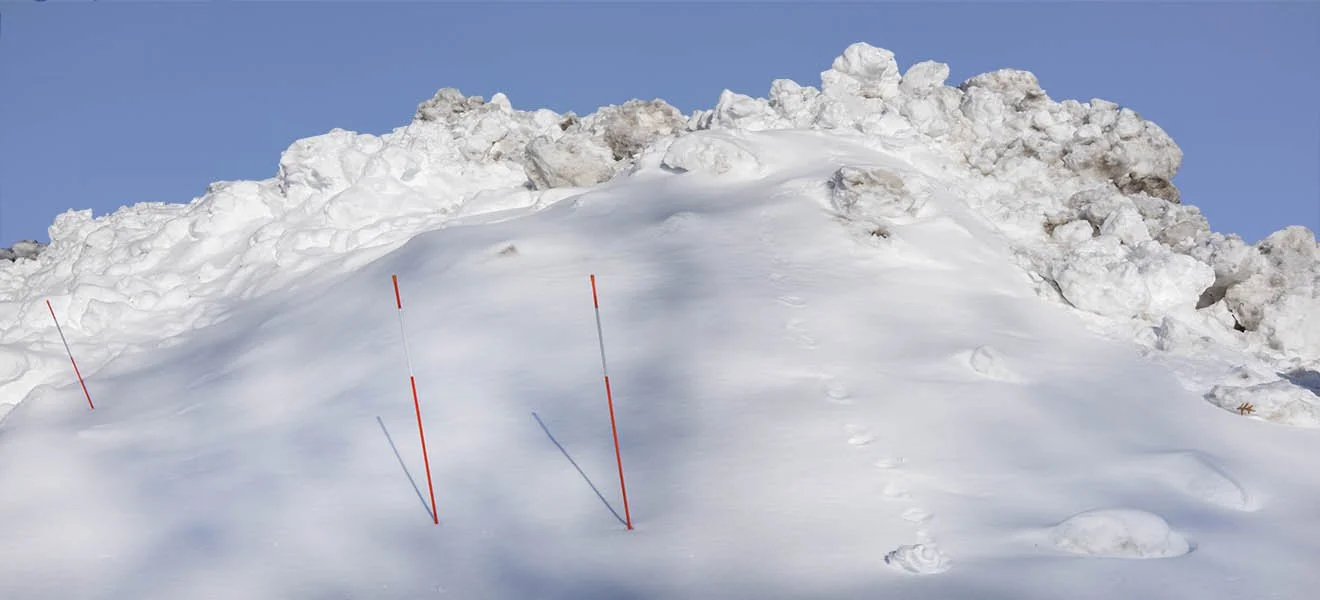
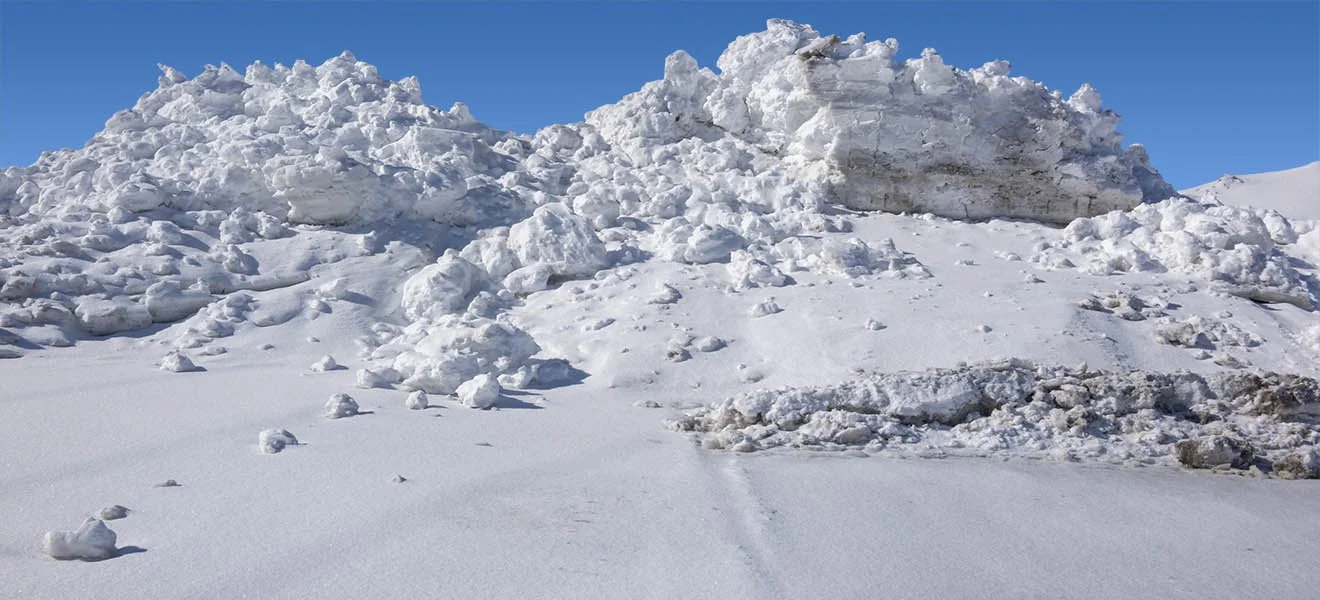
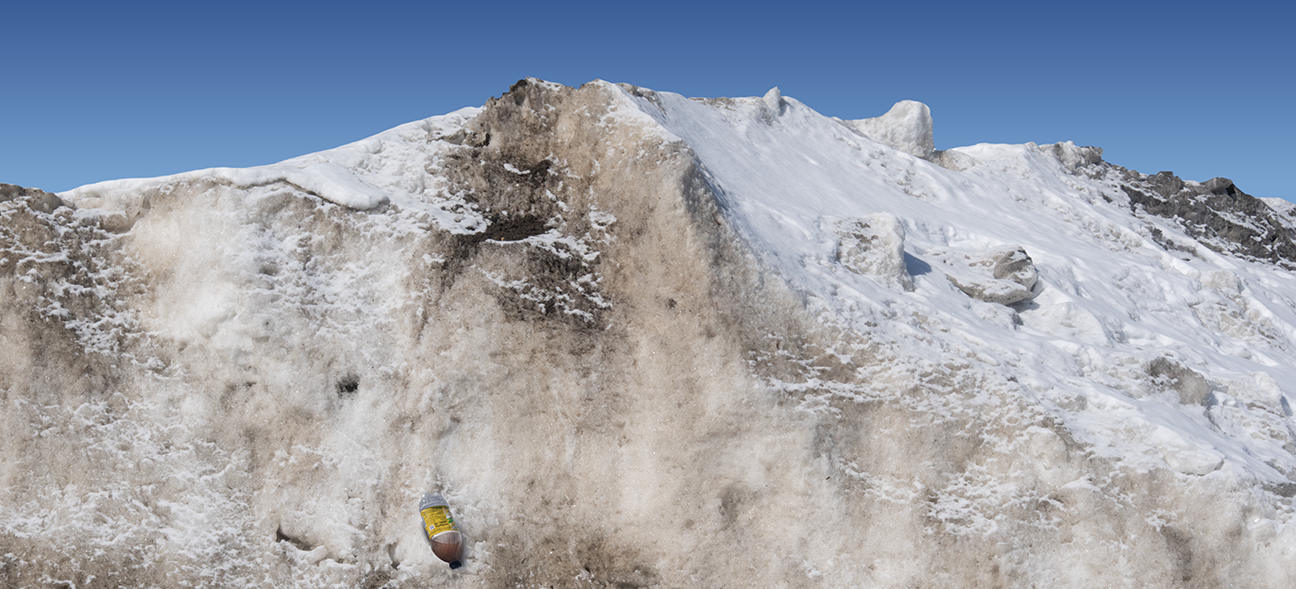
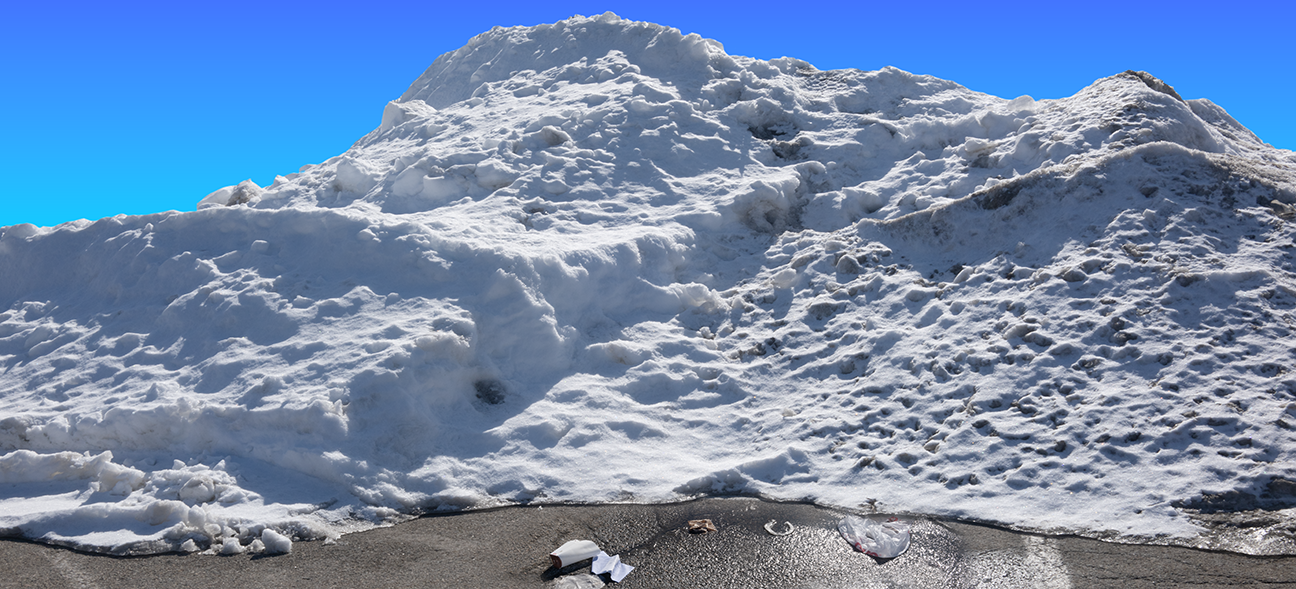
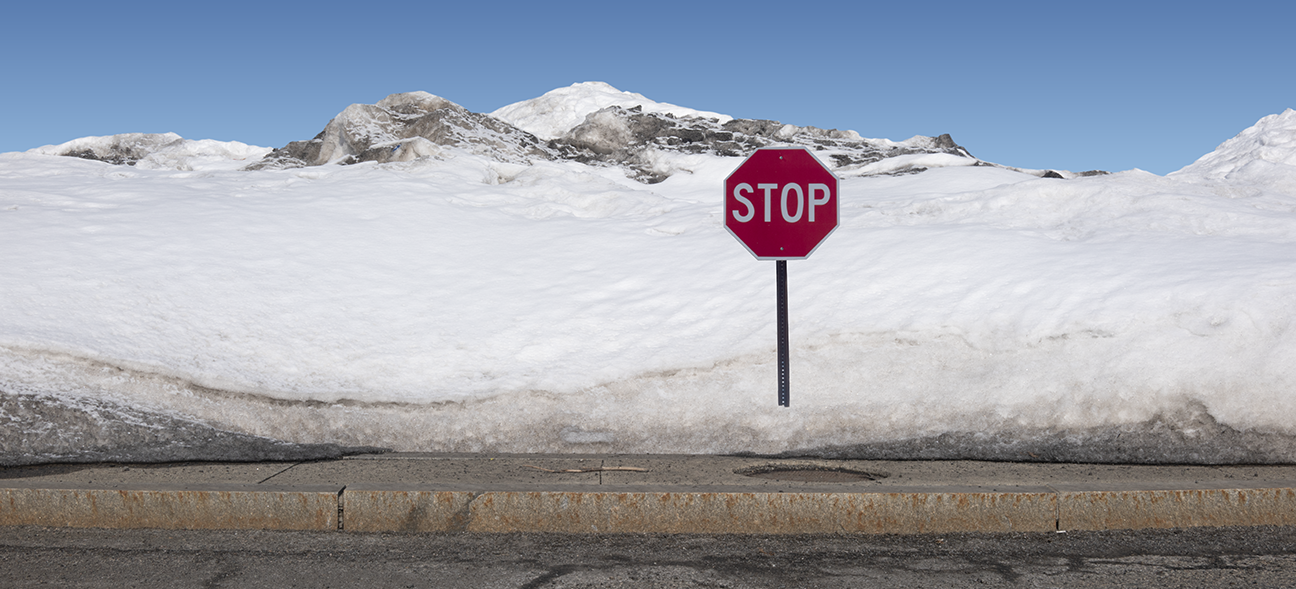
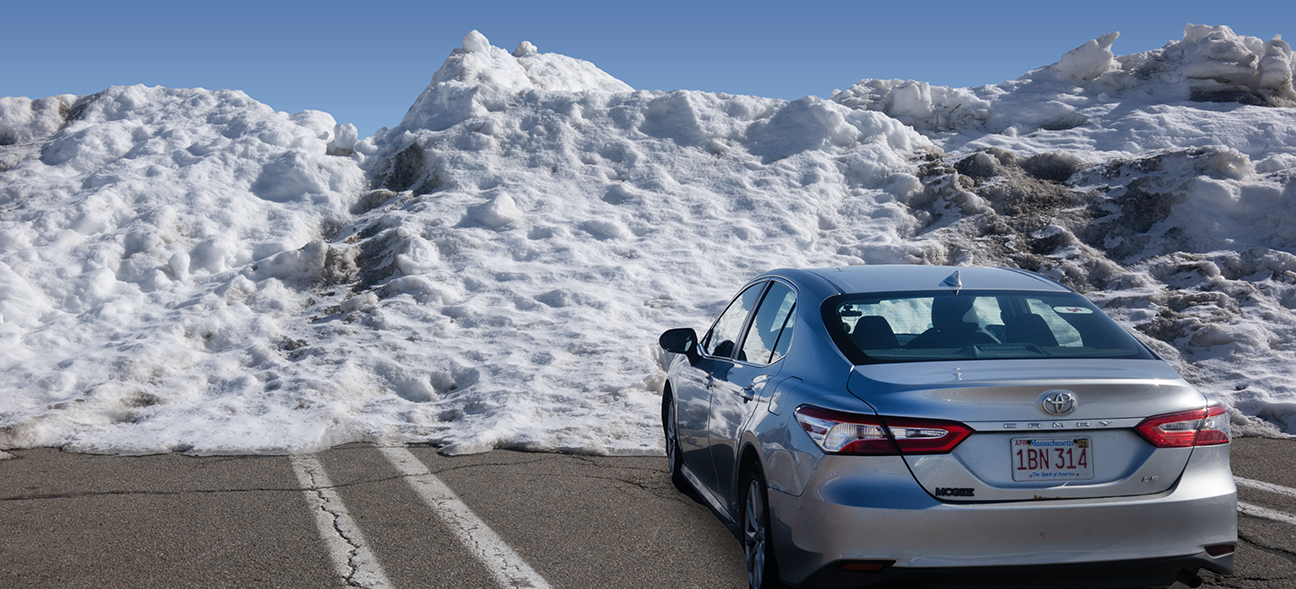
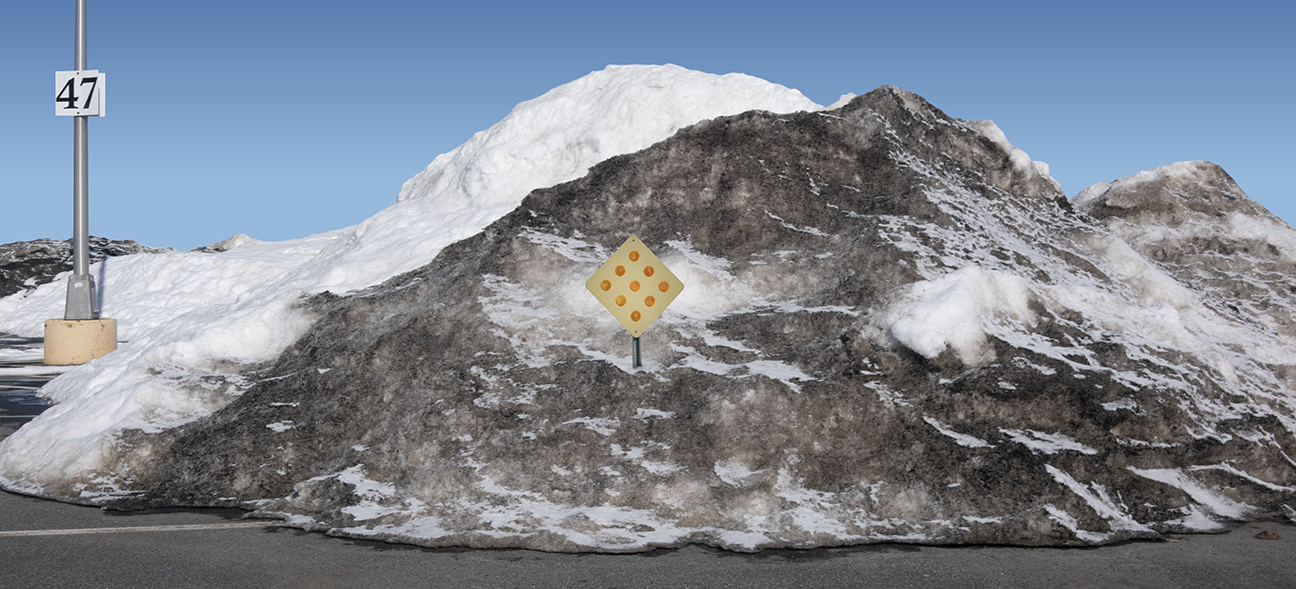
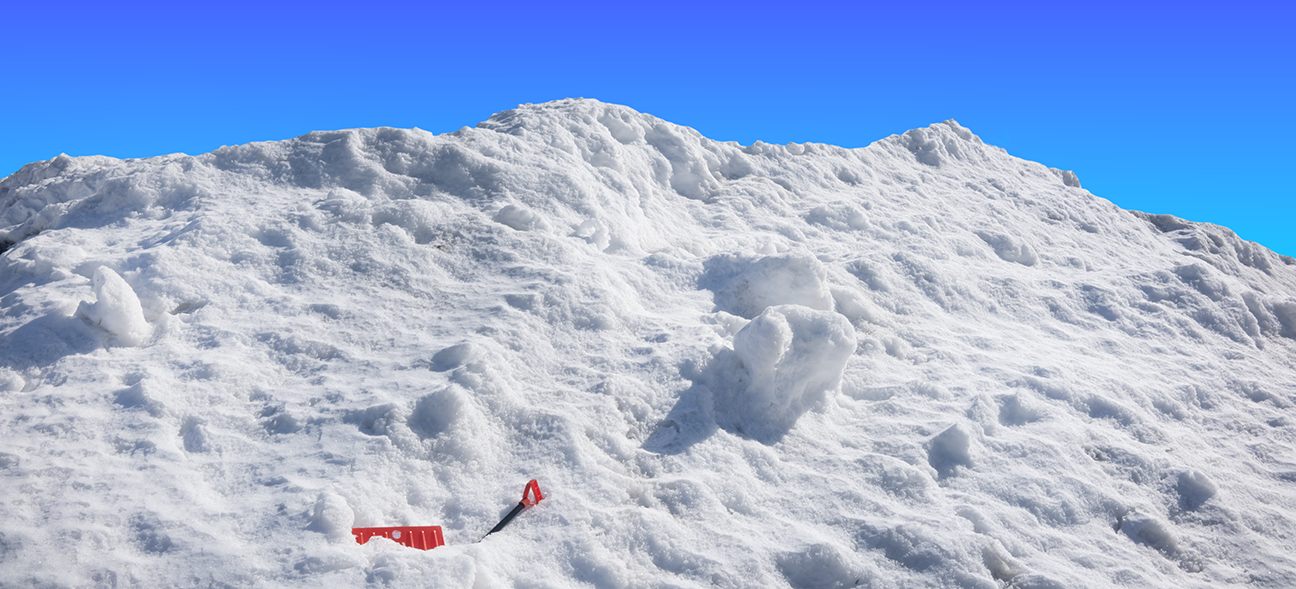
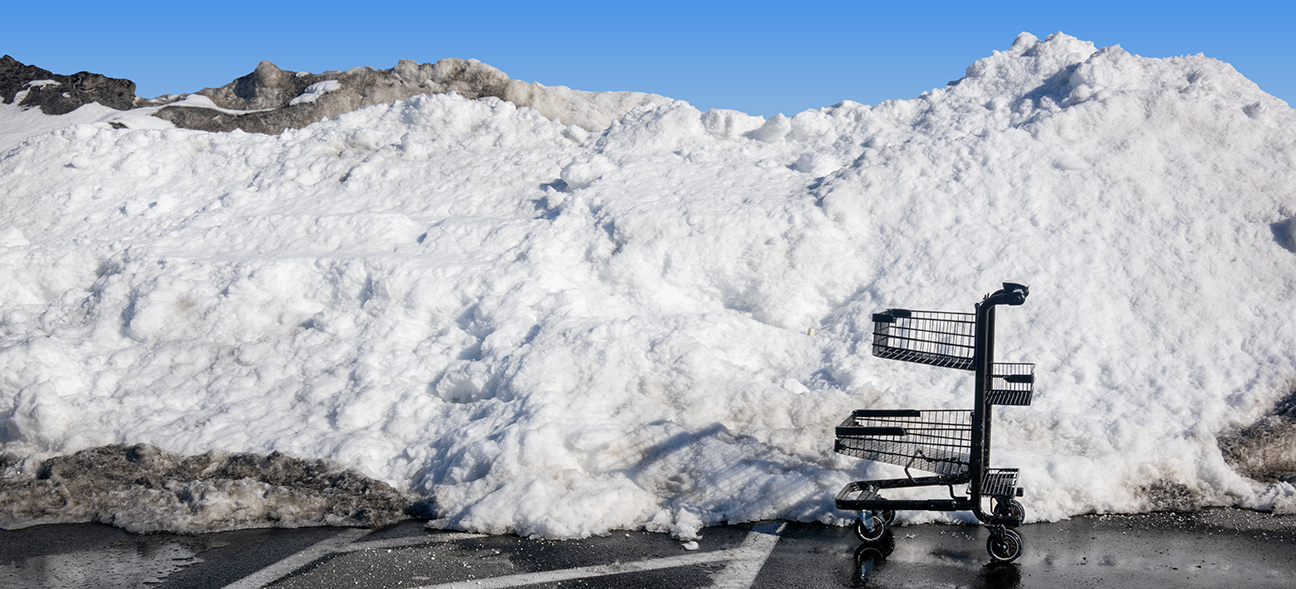
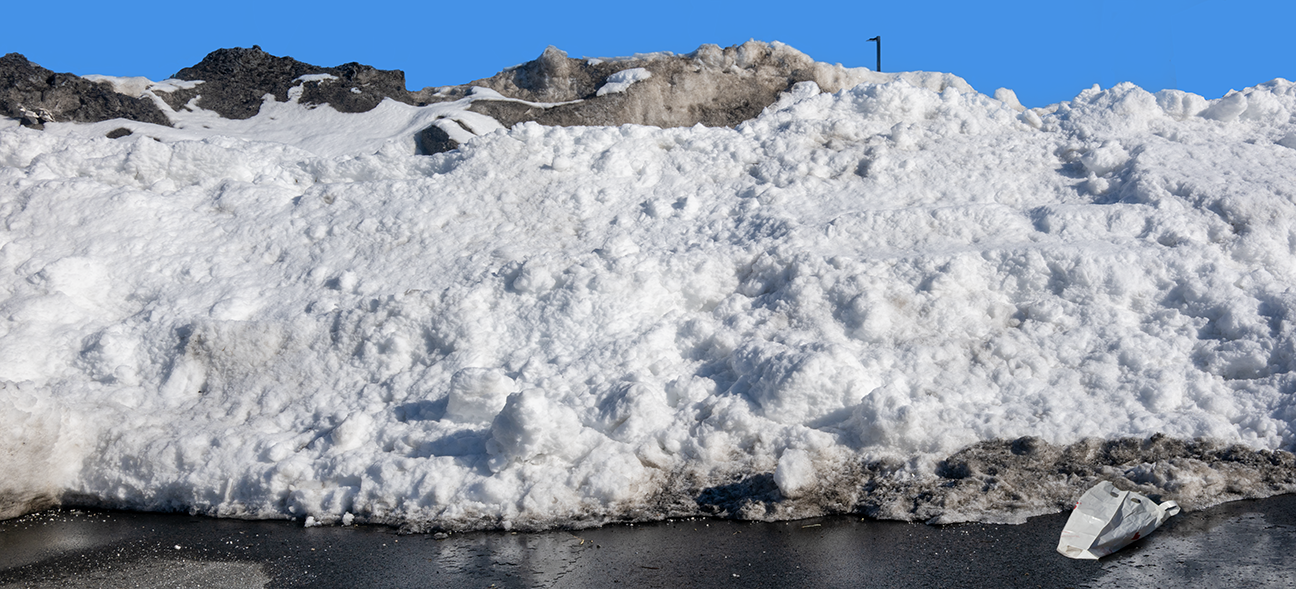
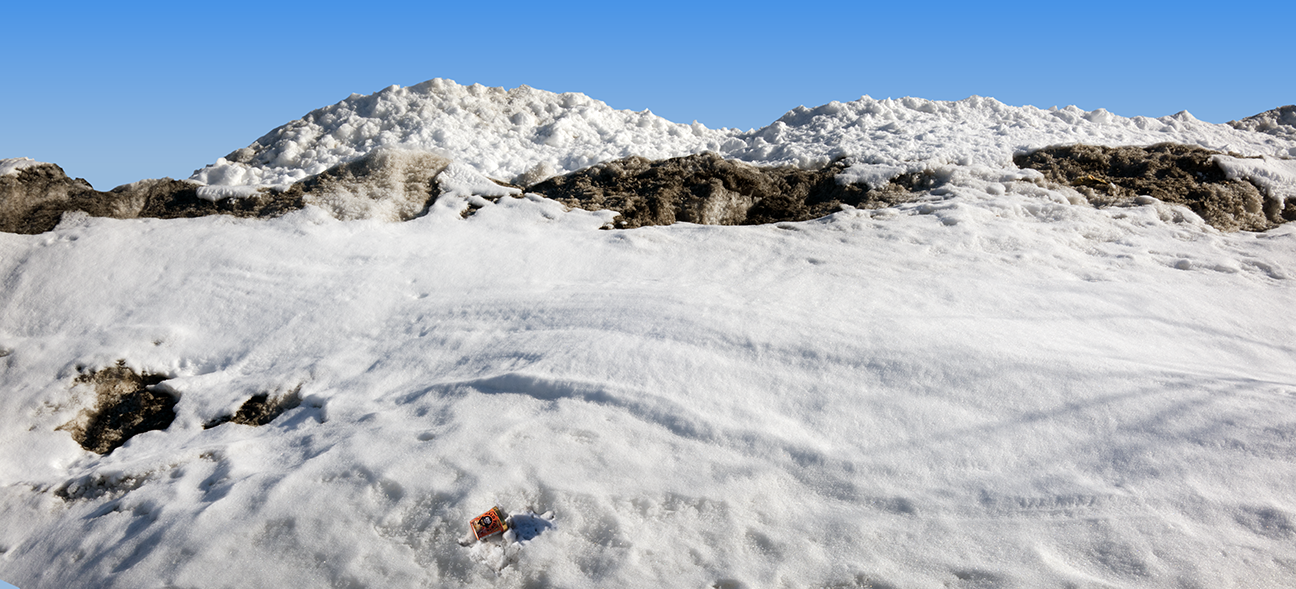
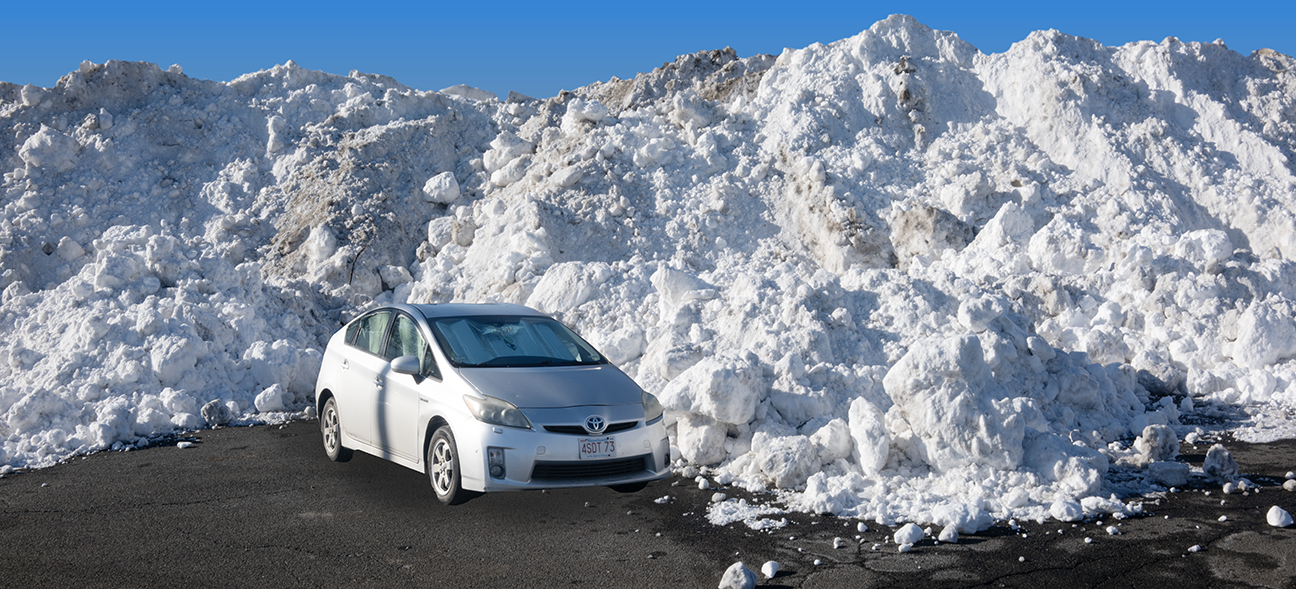
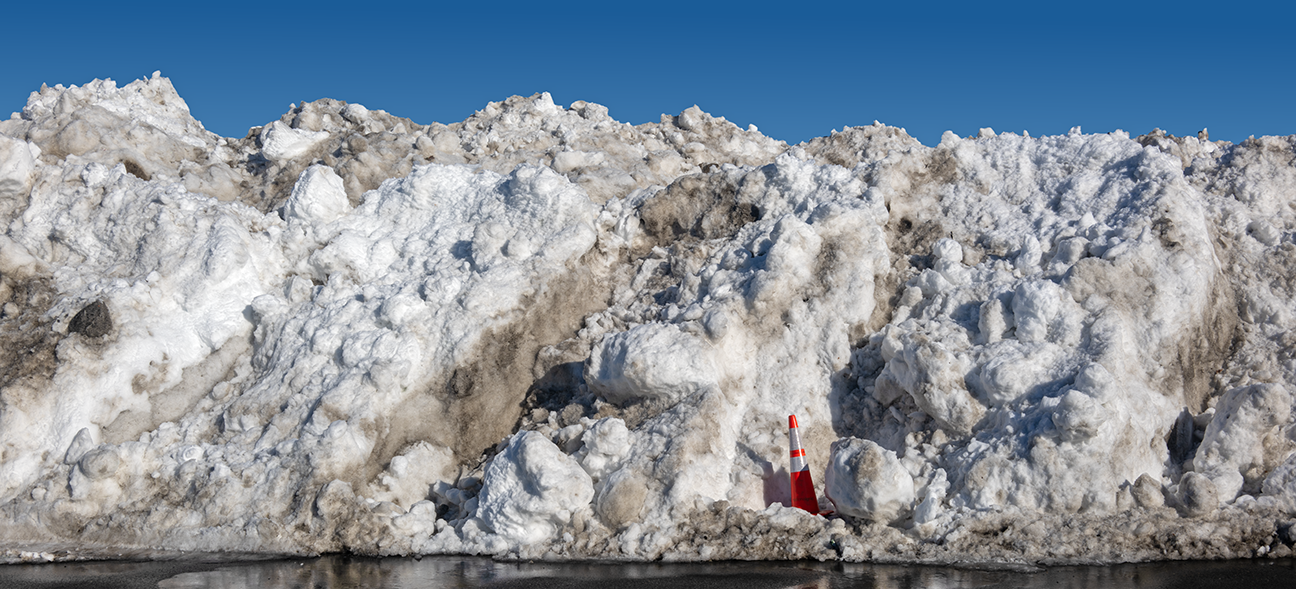
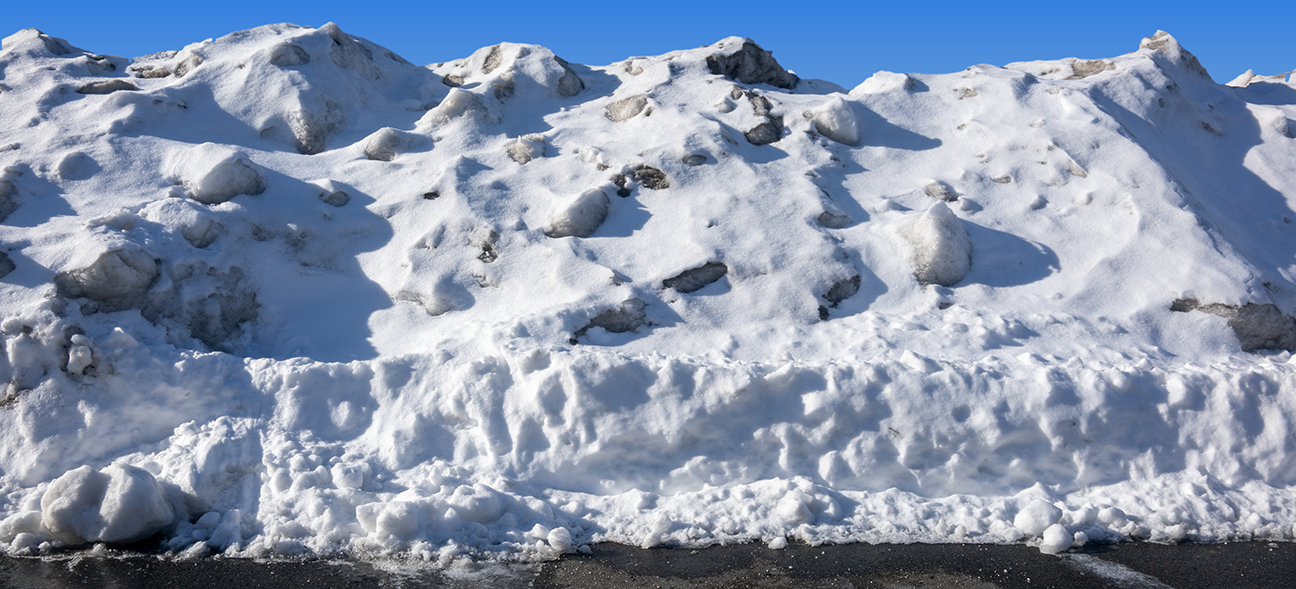
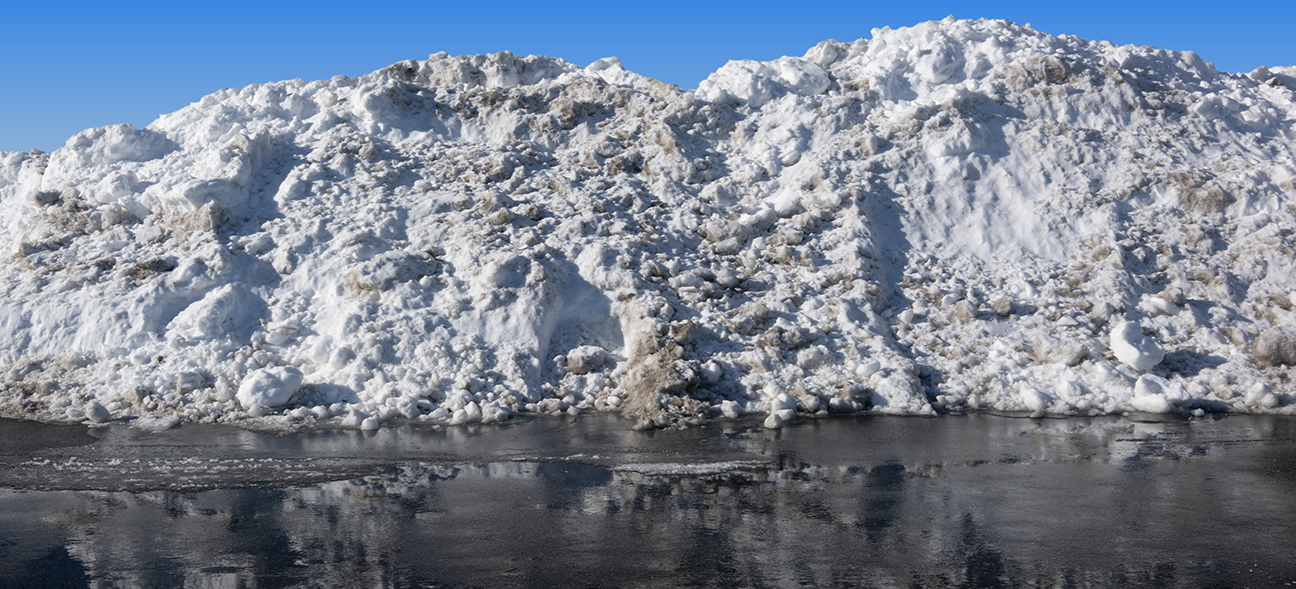
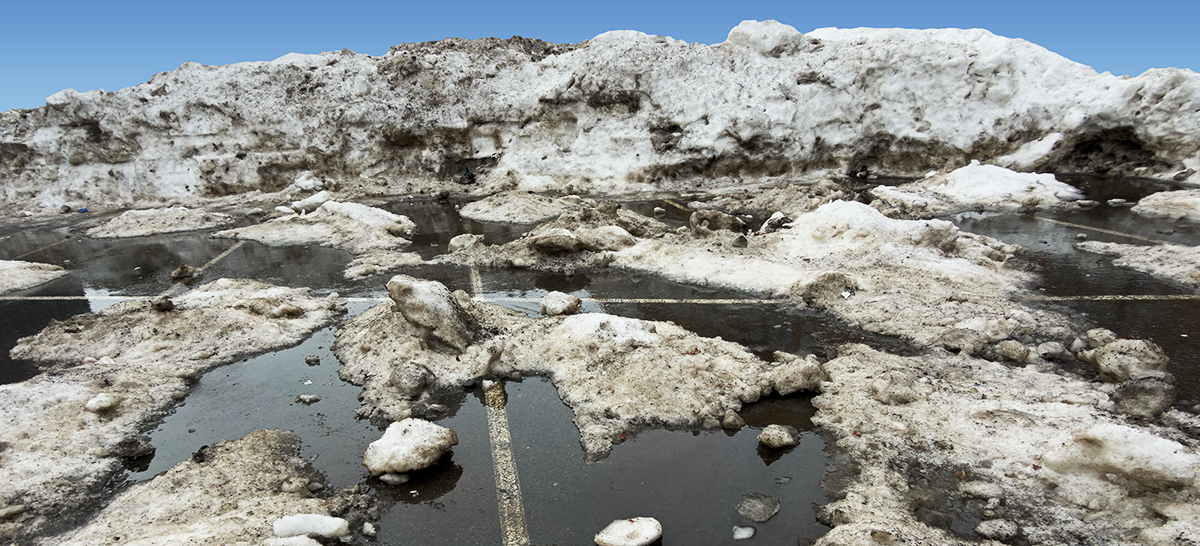
These cinematic landscapes play with scale, shifting between dramatic arctic ranges and snowy mounds littered with debris at the edge of a mall parking lot. Regardless, the rugged horizons stand out against a sky ranges from misty gray to piercing blue.
In a way they are cultural as much as optical illusions: unspoiled vistas or urban sludge? As they flip back and forth, a kind of tactile sensuousness can be found in the gritty texture.
In these images taken out the kitchen window, the luminosity of glasses, water, silverware and flower petals is revealed.
The mesh of the screen forms an abstract pattern, as do the nearby houses glimpsed out the side yard. Here and there, the transparent wing of an insect can be seen.
The domestic still lifes evoke a timeless summer.
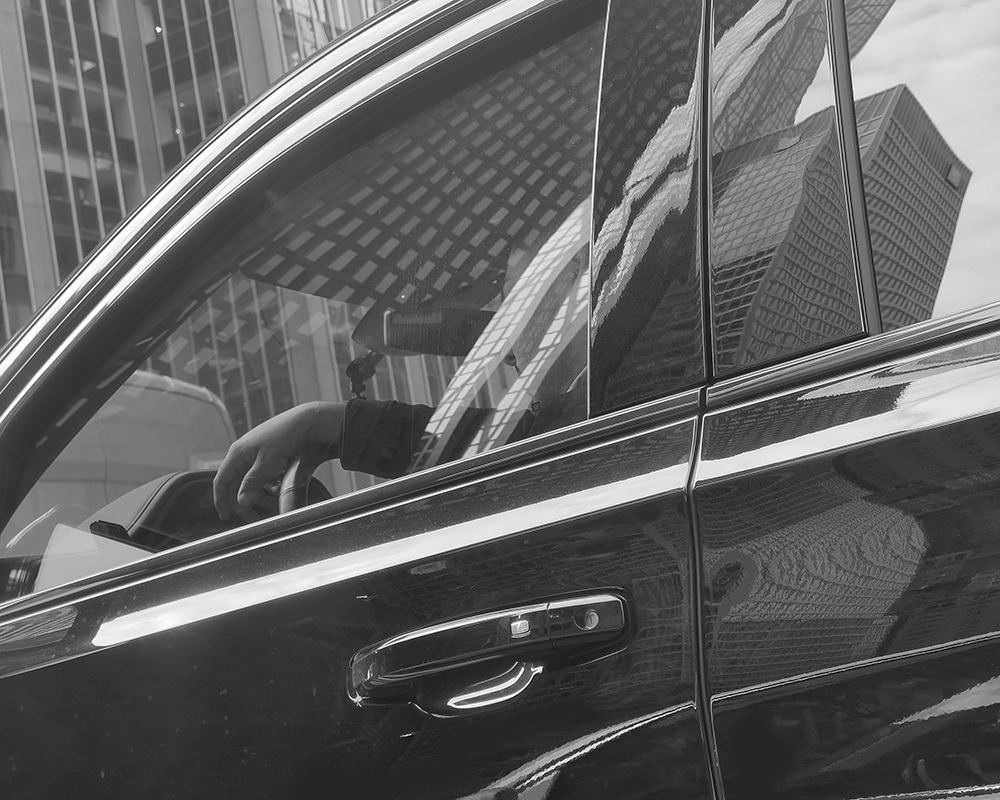
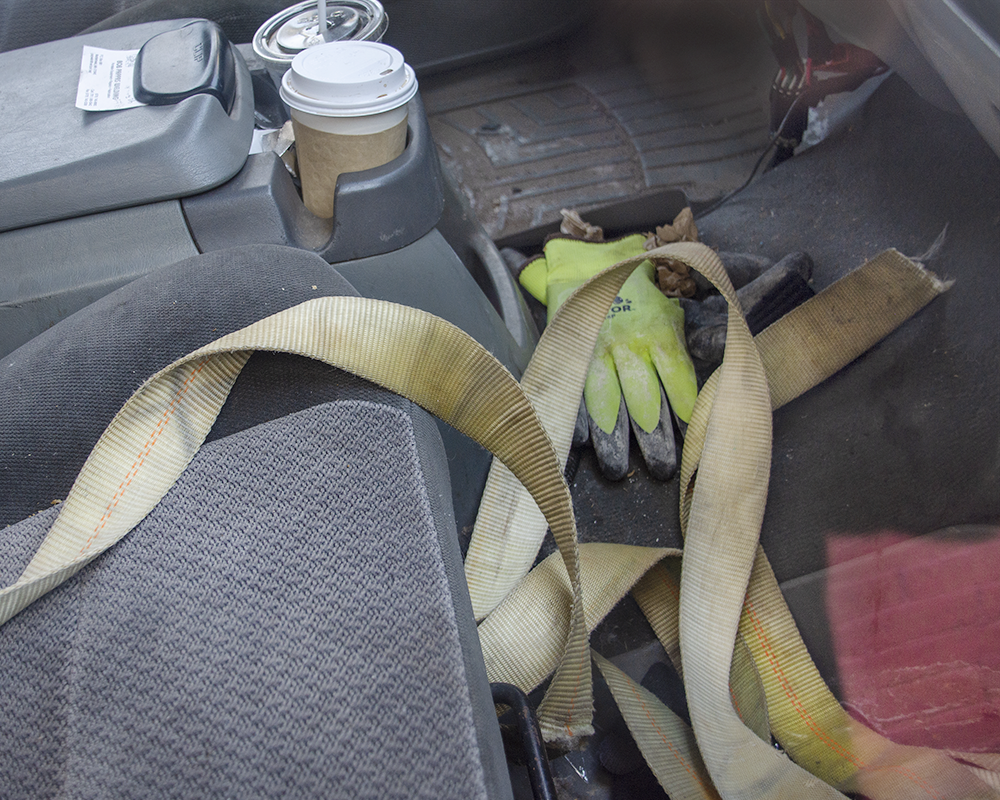
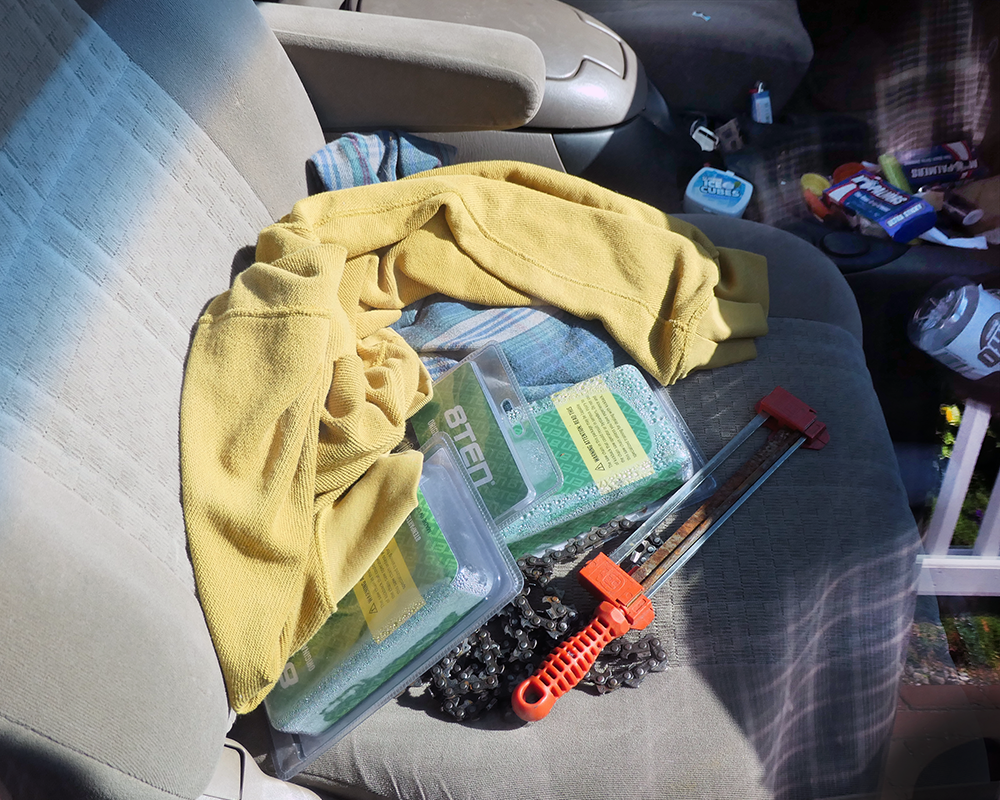
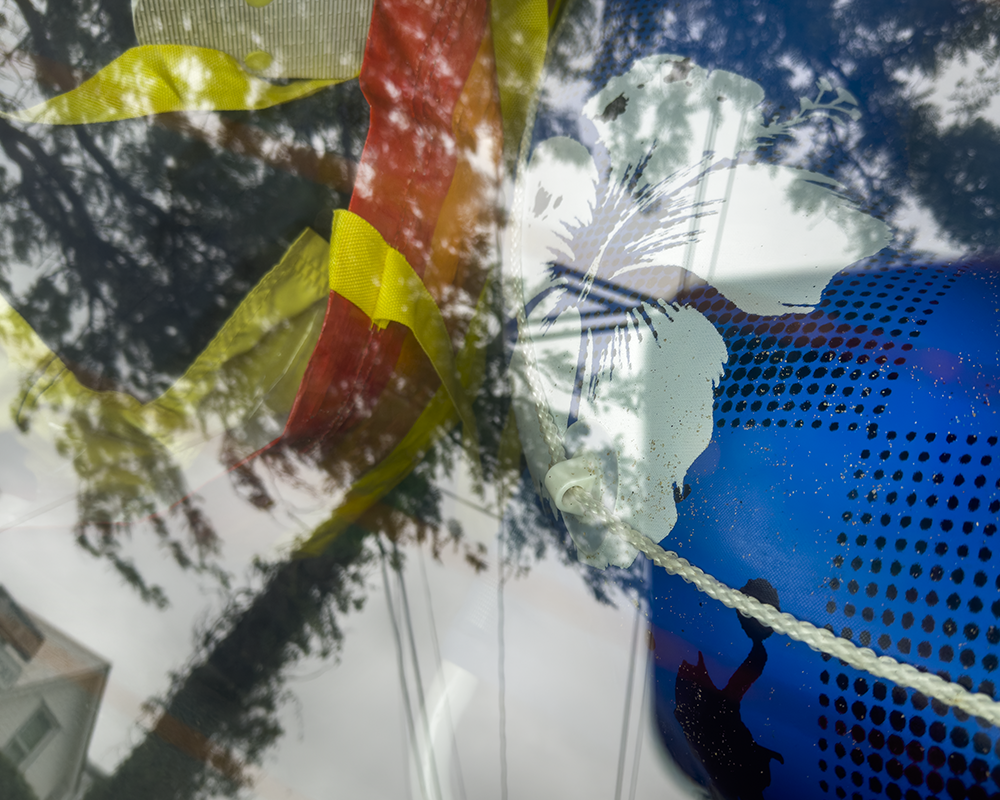
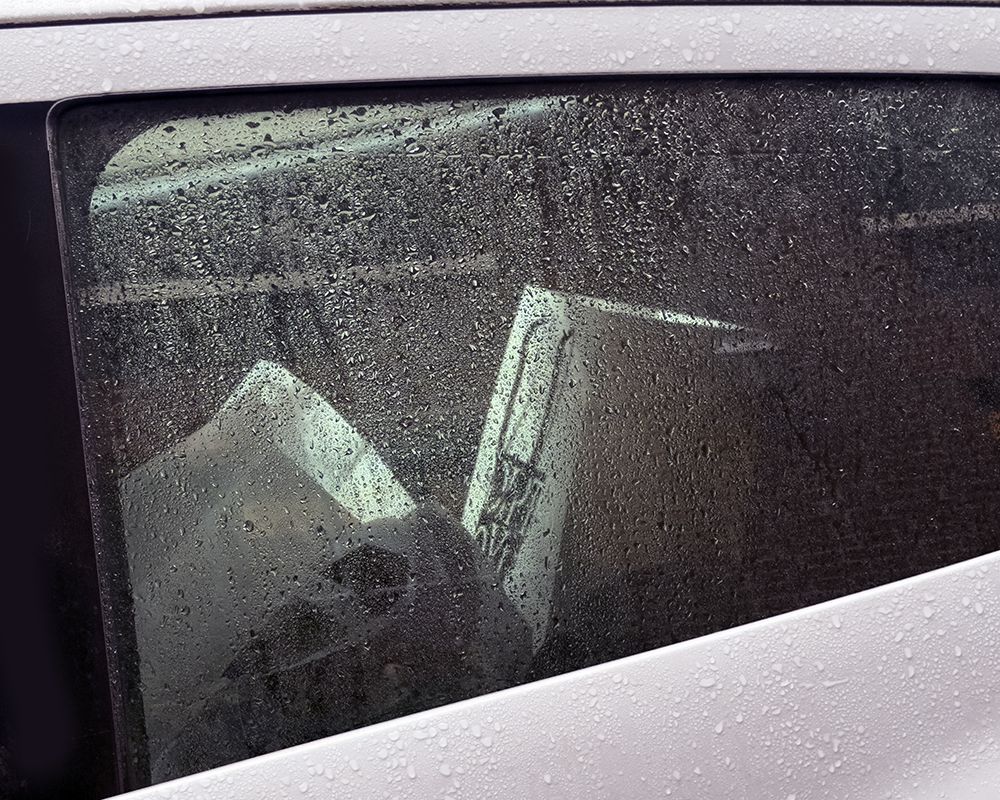
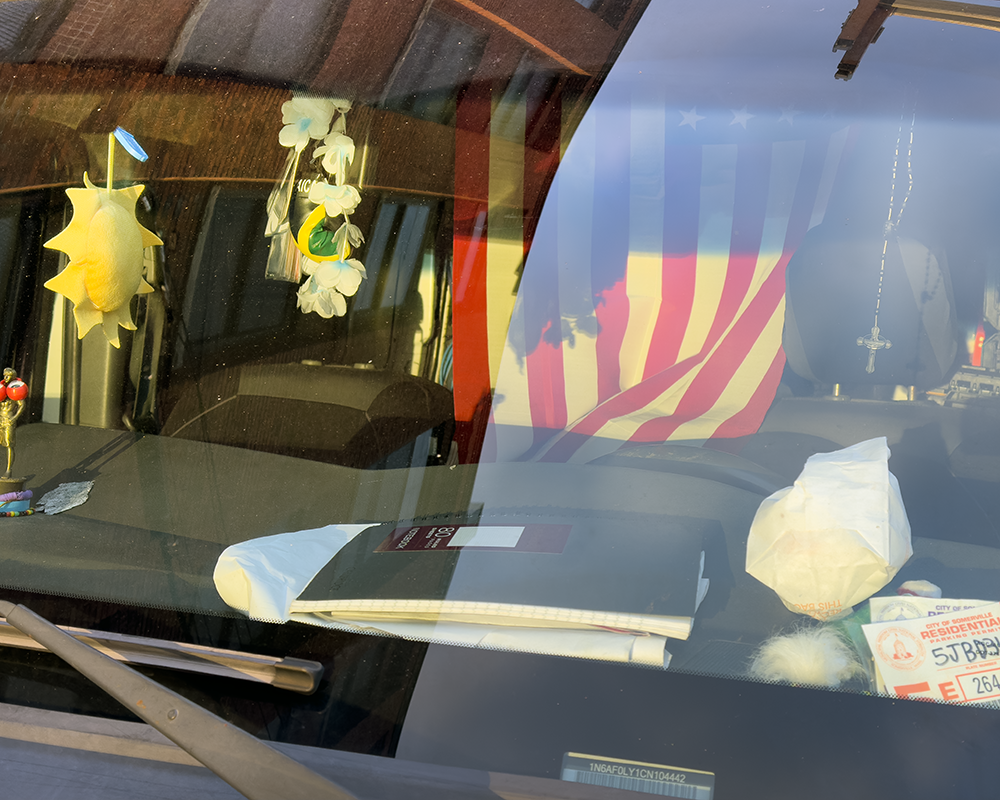
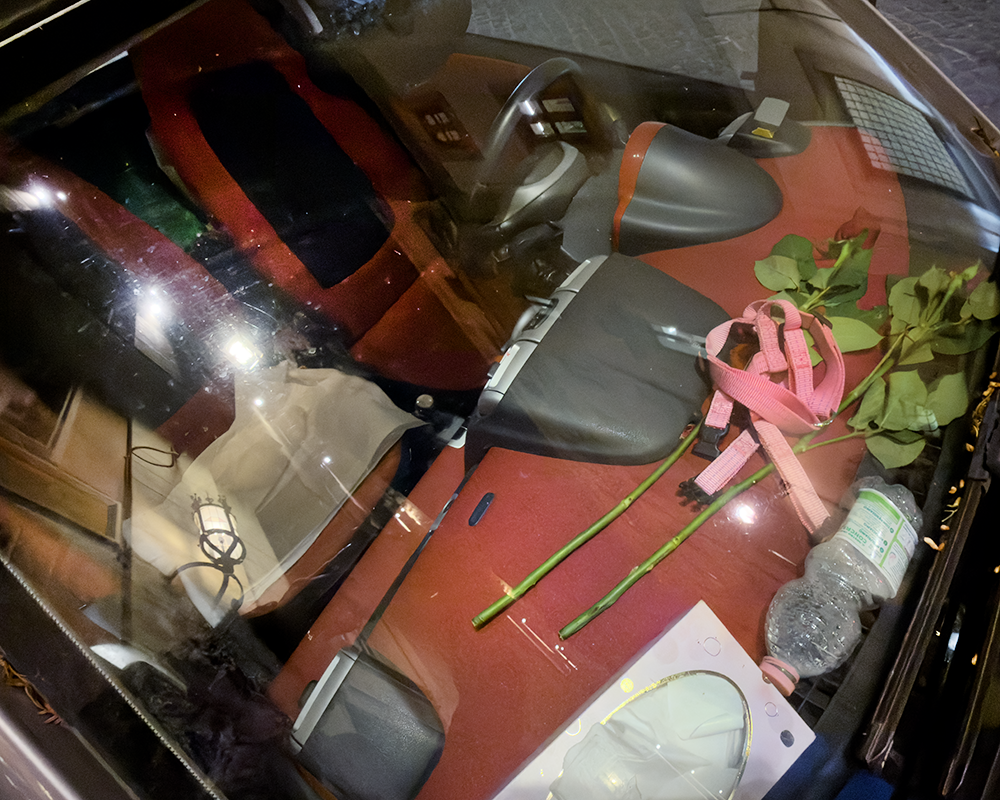
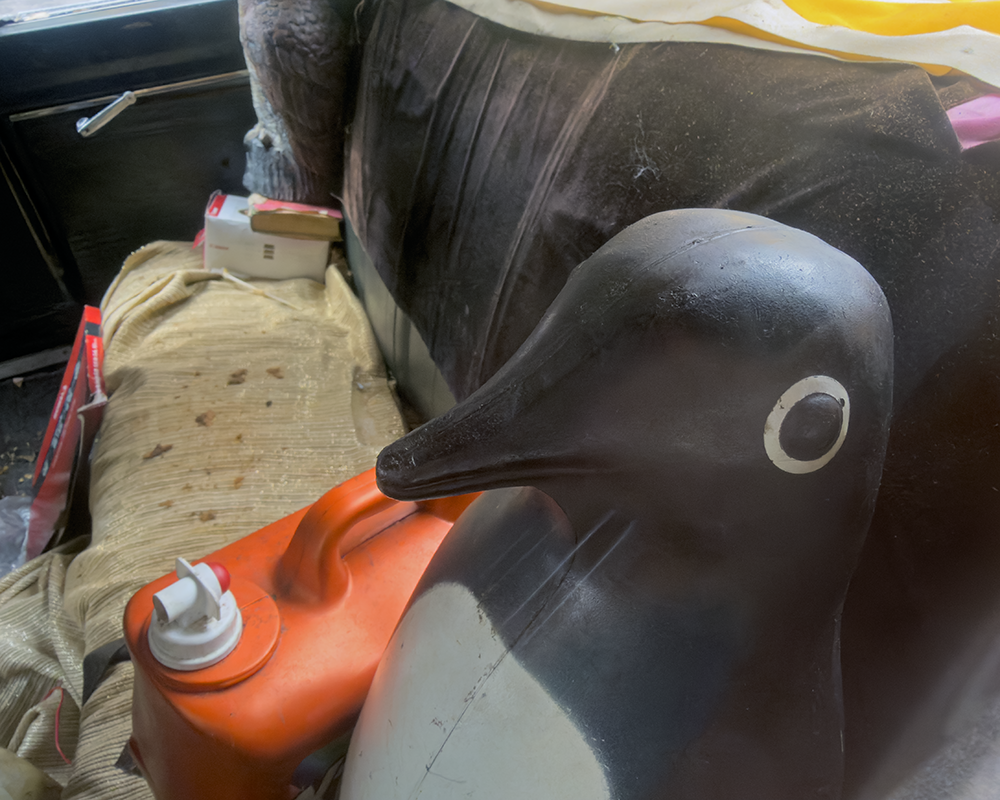
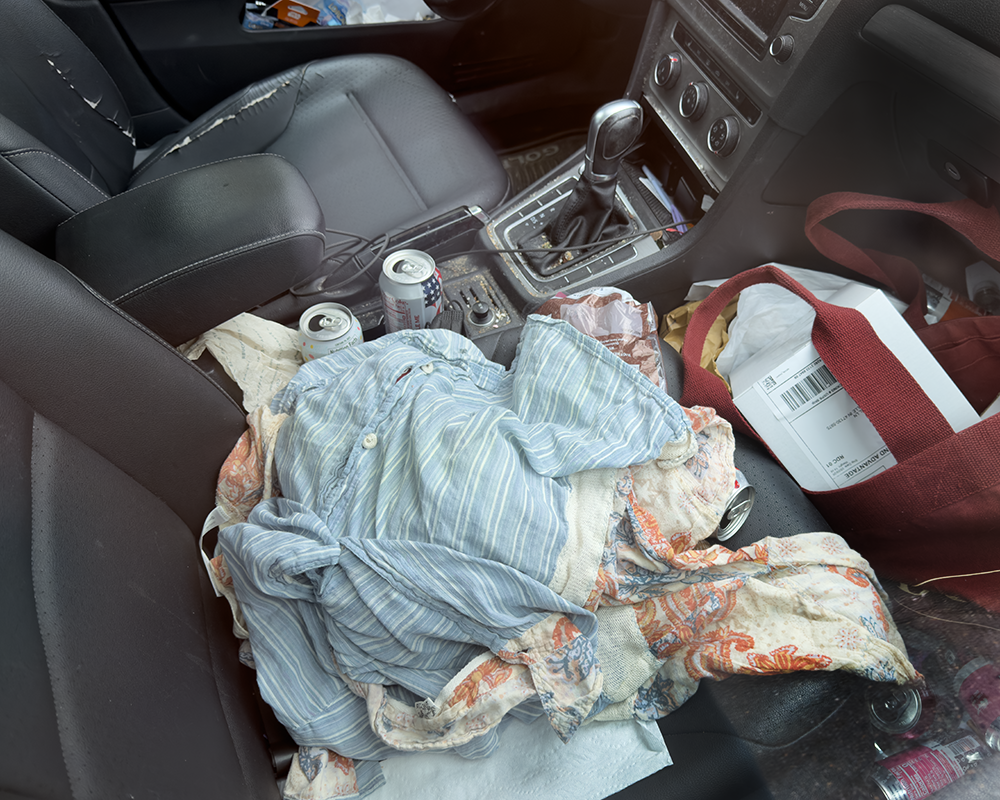
These passerby shots of car interiors reveal the everyday detritus of private lives lived out in semi-public. Extra change, drink cups, earbuds, pill bottles, pieces of stray clothing—and, in these times of Covid-19, face masks.
The images are casual still lifes, thrown together, but unexpectedly vibrant and almost poignant. Who doesn’t occasionally peek through a car window, like checking out a medicine cabinet at a party?
As Tolstoy might have said, the inside of every car is alike, but every messy car is messy in its own way.
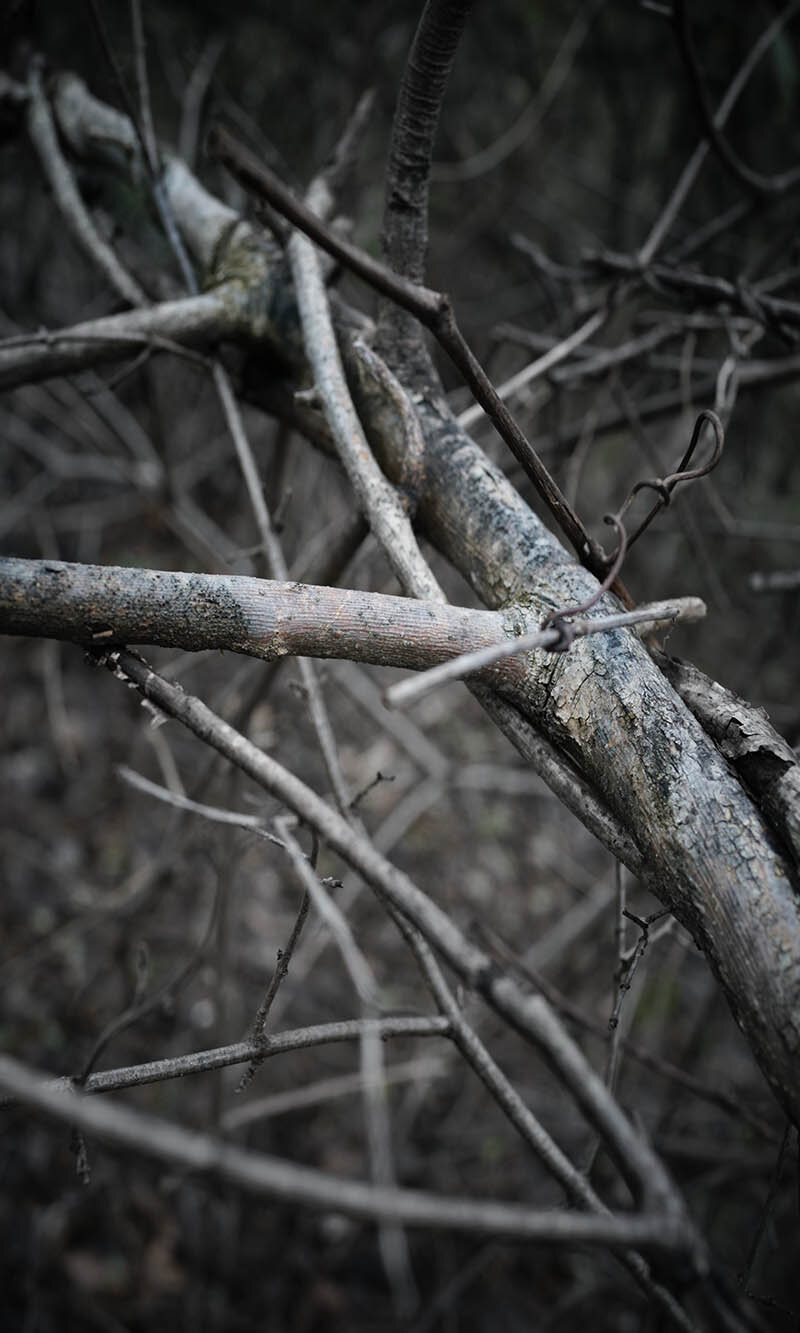
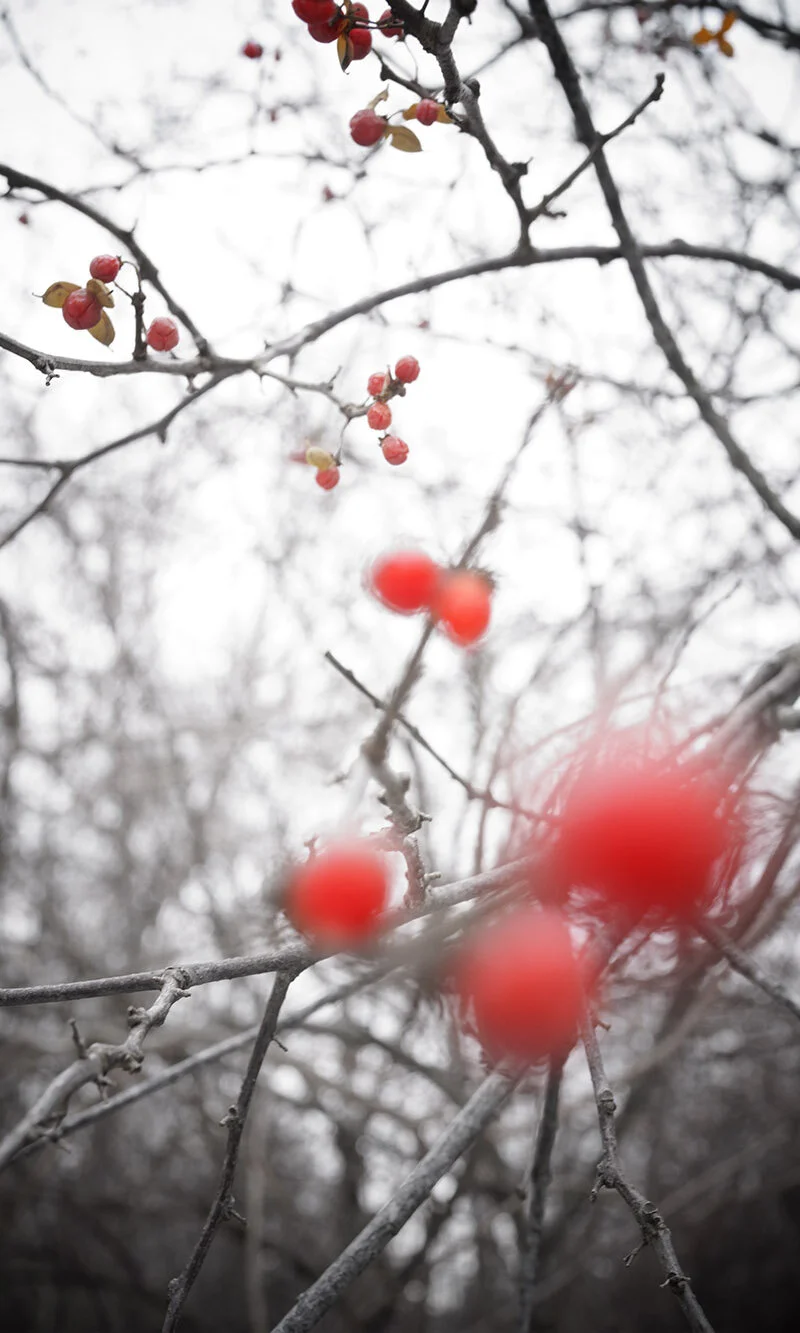
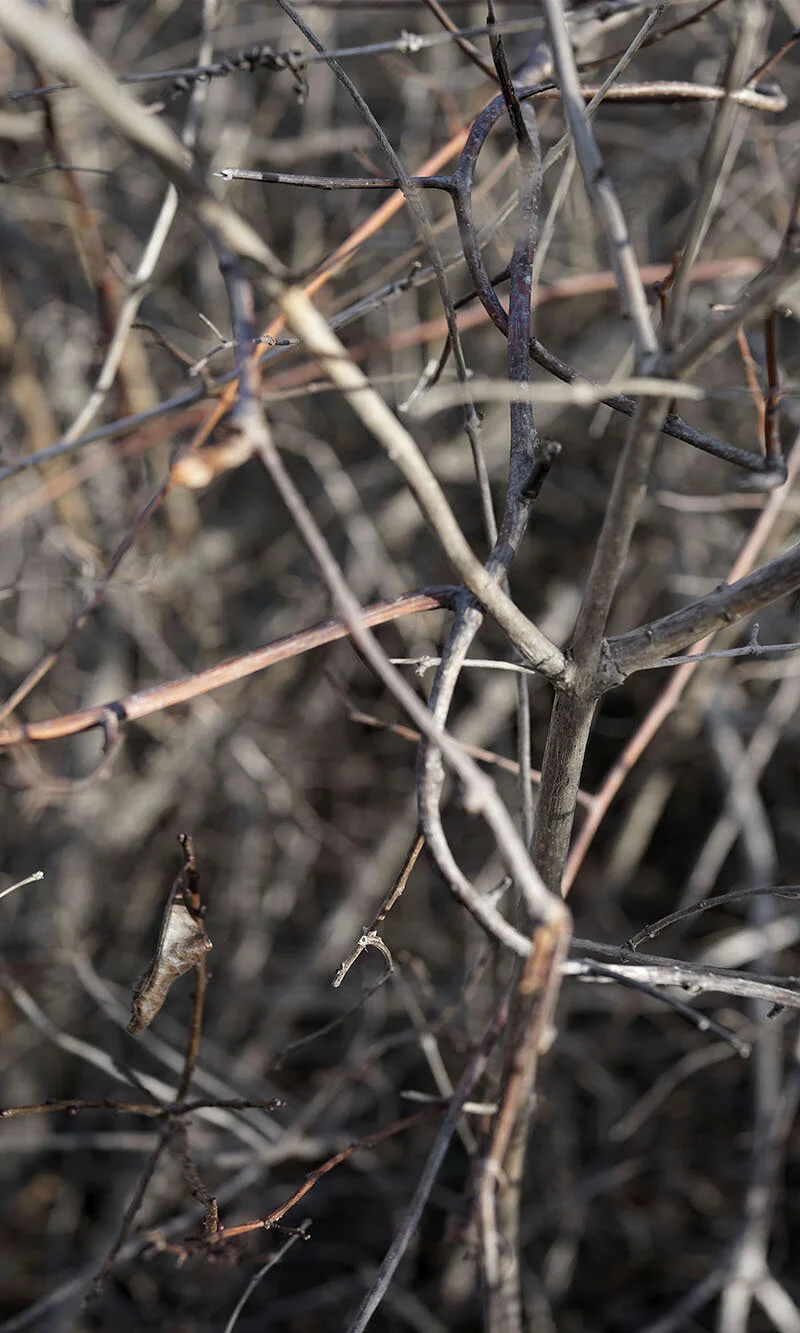
Taken in nature reserves near Boston, these closeups of tangled vines are meant to convey a sense of disorientation.
Sometimes a slice of sky is glimpsed or a patch of ground.
The viewer is plunged into a chaotic mess, partly out of focus, without a center to grasp.
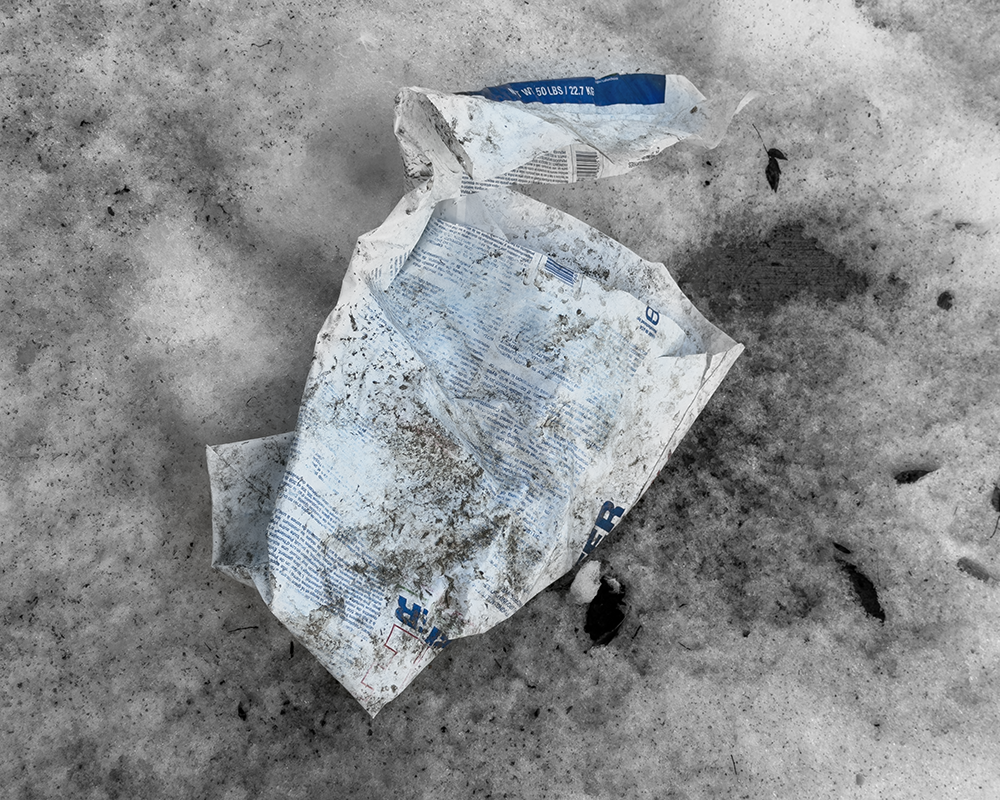
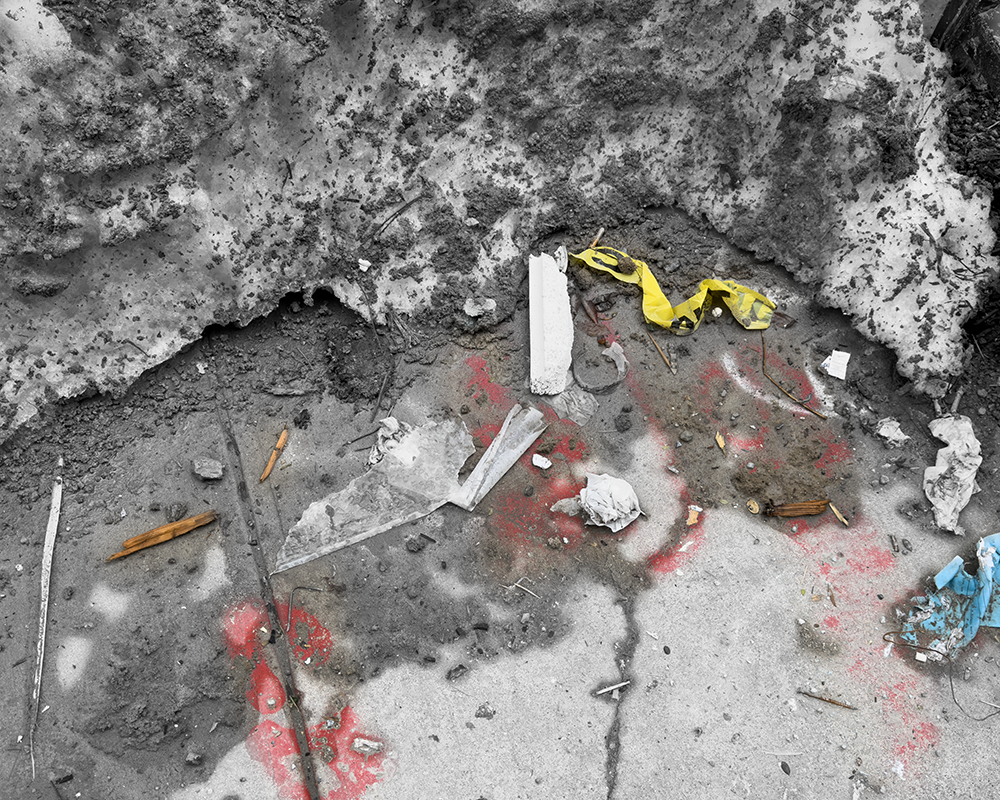
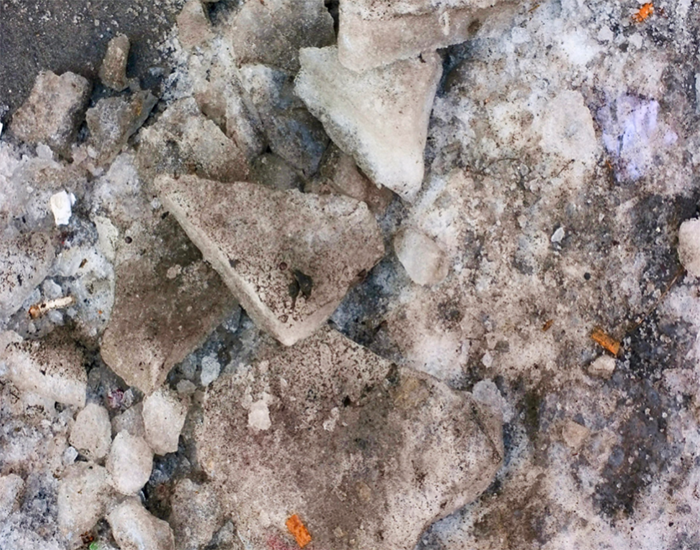
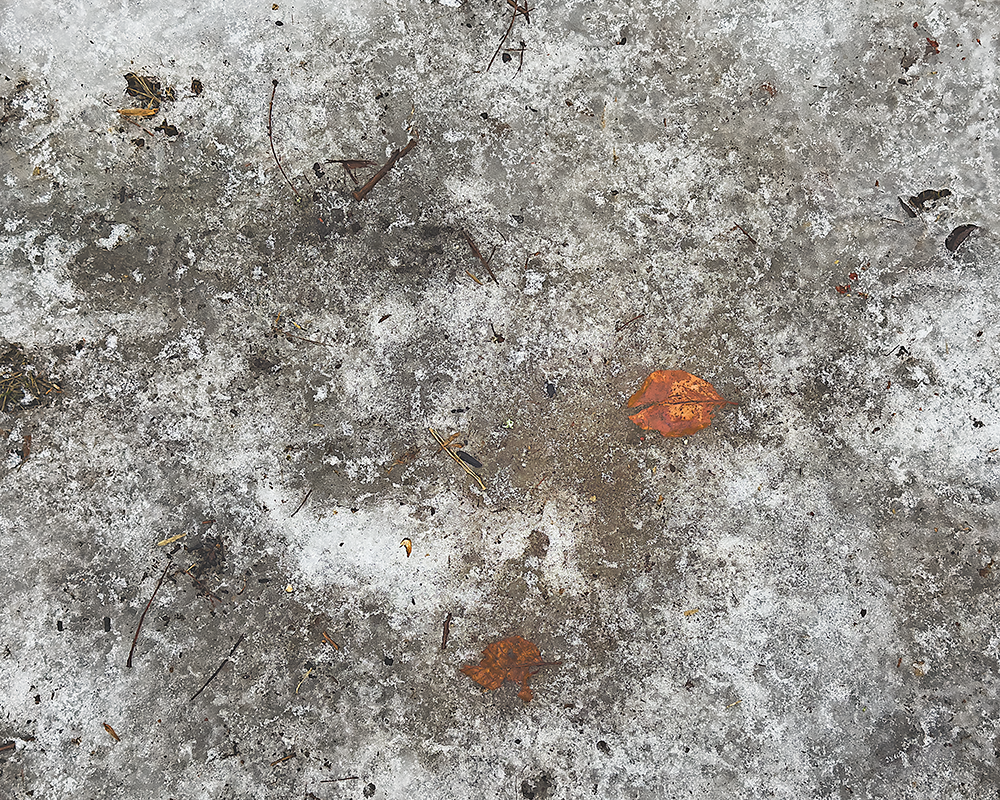
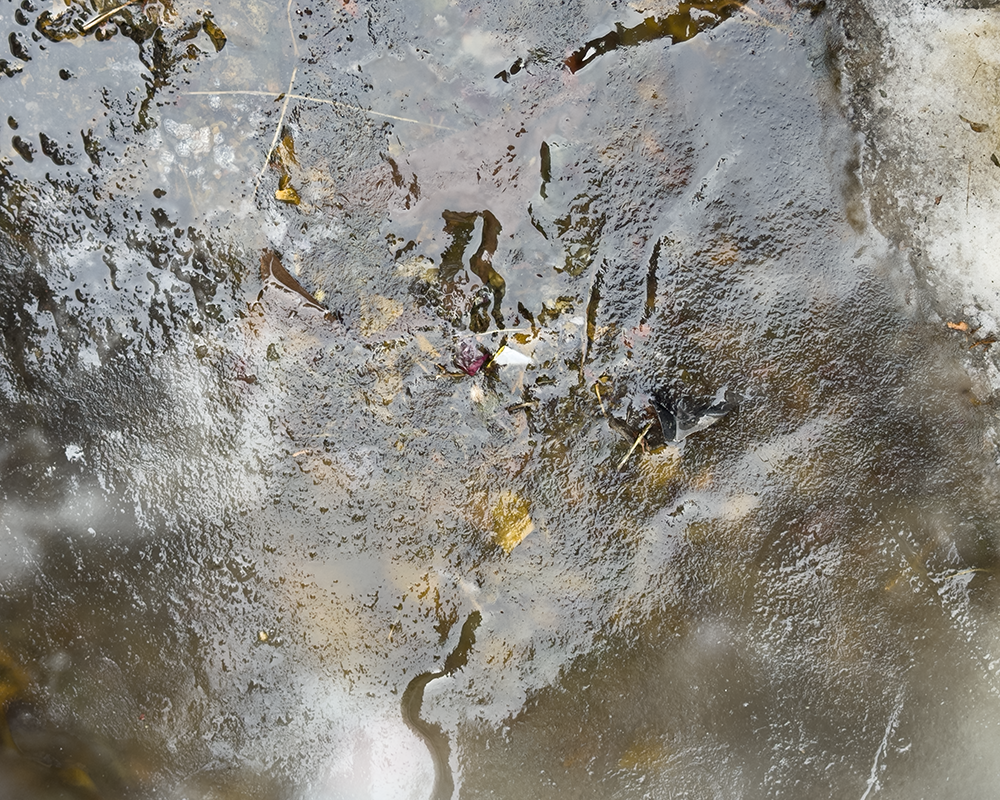
Taken at the edge of the street where debris lies buried in slush, or in the shallows of a pond, these images look like archeaological slices. You can peer into the fractured layers and make out crumbled leaves, pine needles, wrappers, and even a few handwritten notes. A miniature landscape is revealed.
"Slices" is all about decay and transition. For a few months in late winter and early spring, water and earth and pavement merge and undergo an almost alchemical transition.
These photographs capture—and freeze—a few of those moments.
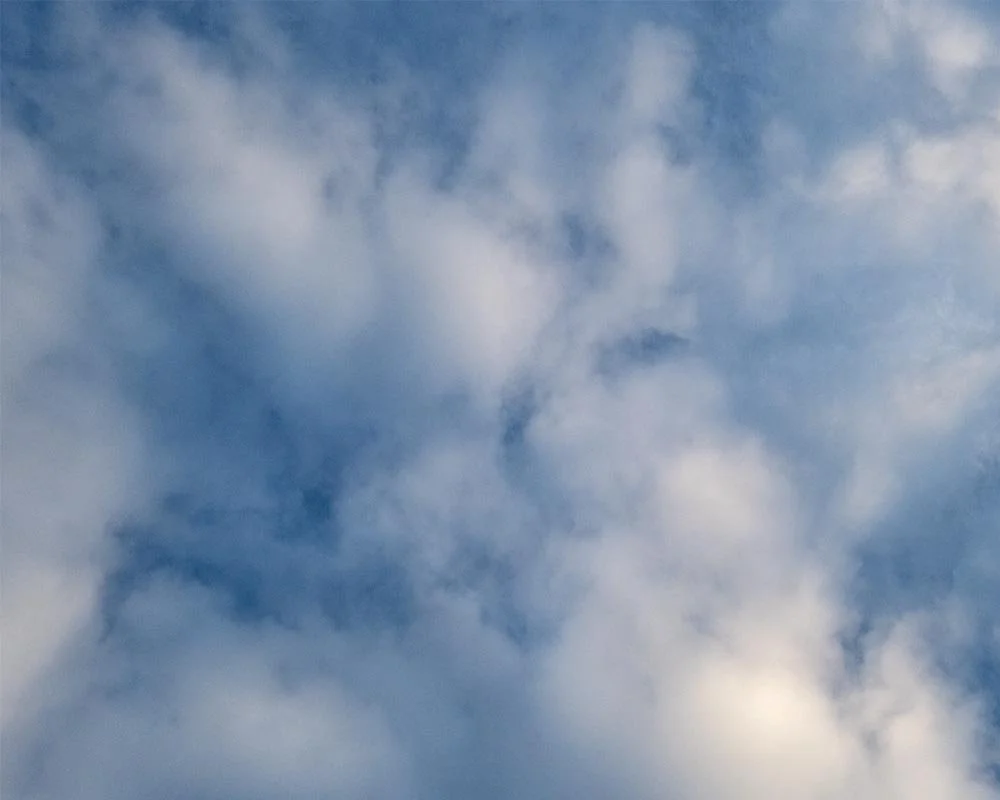
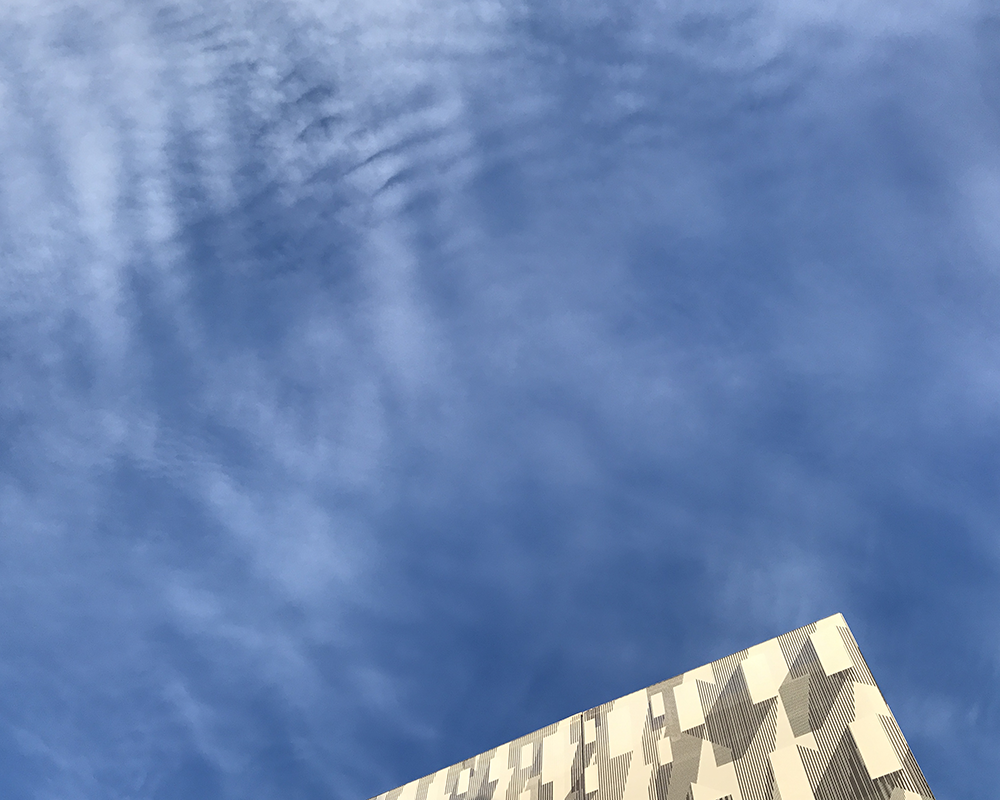
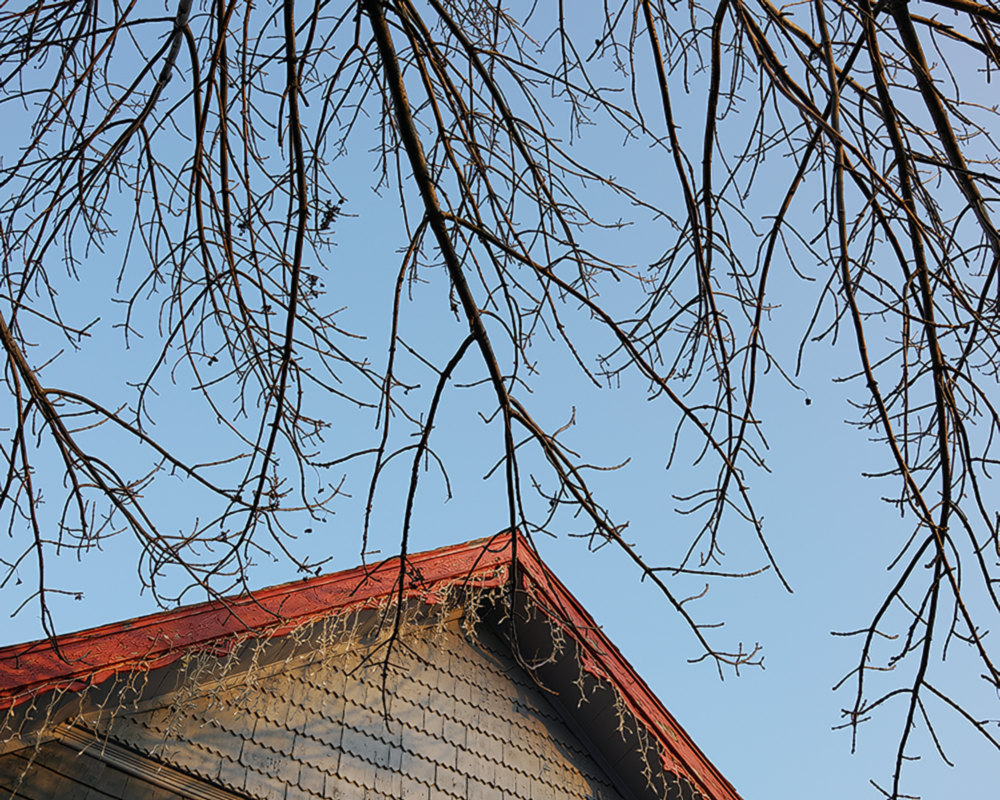
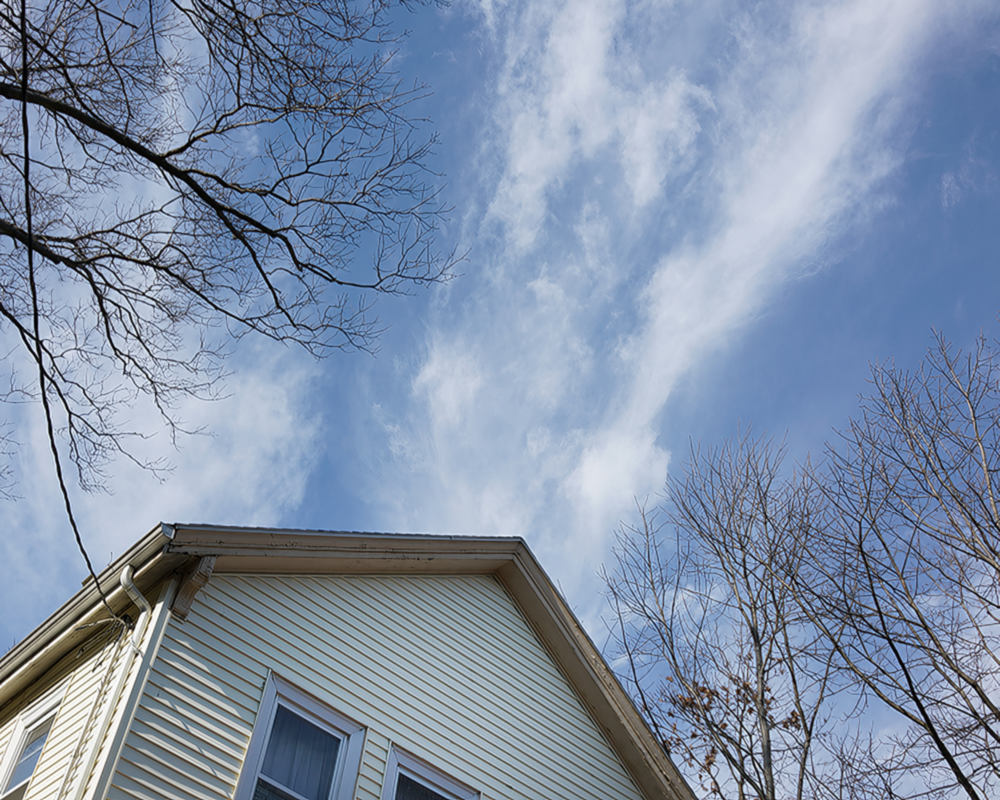
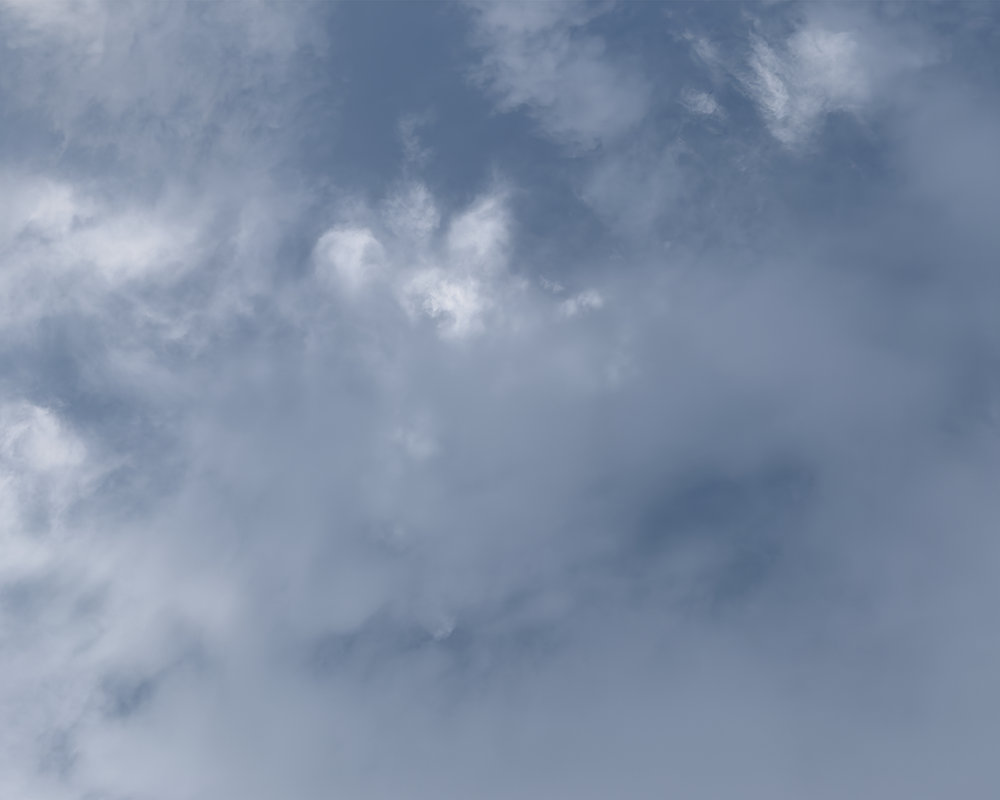
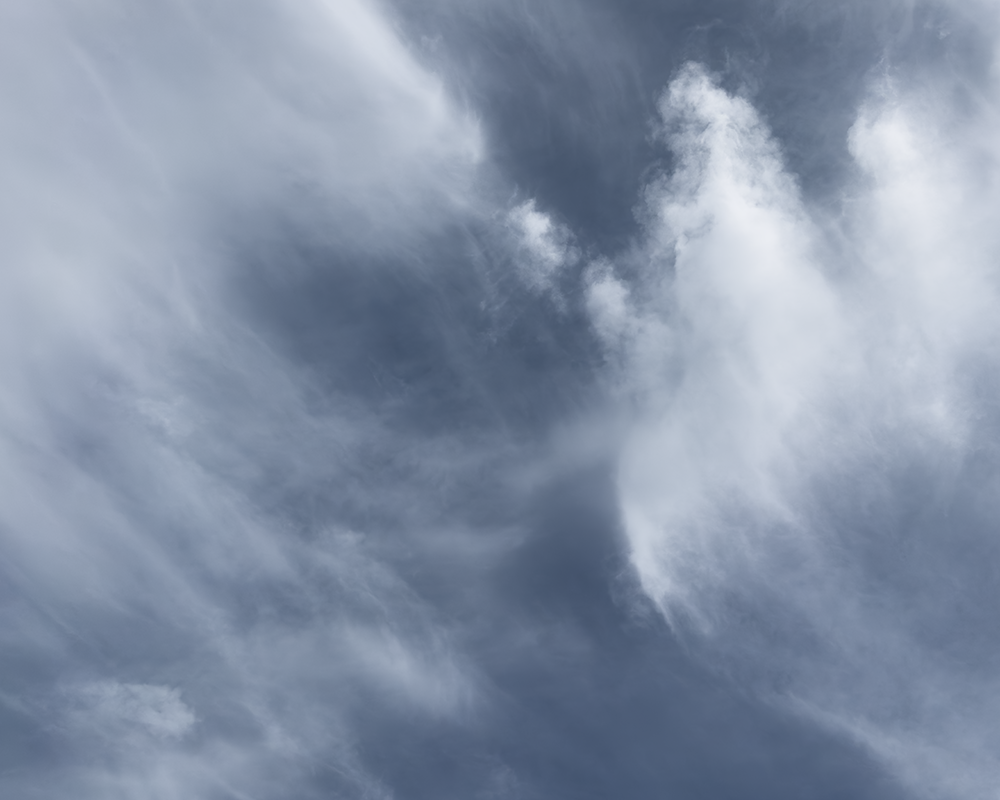
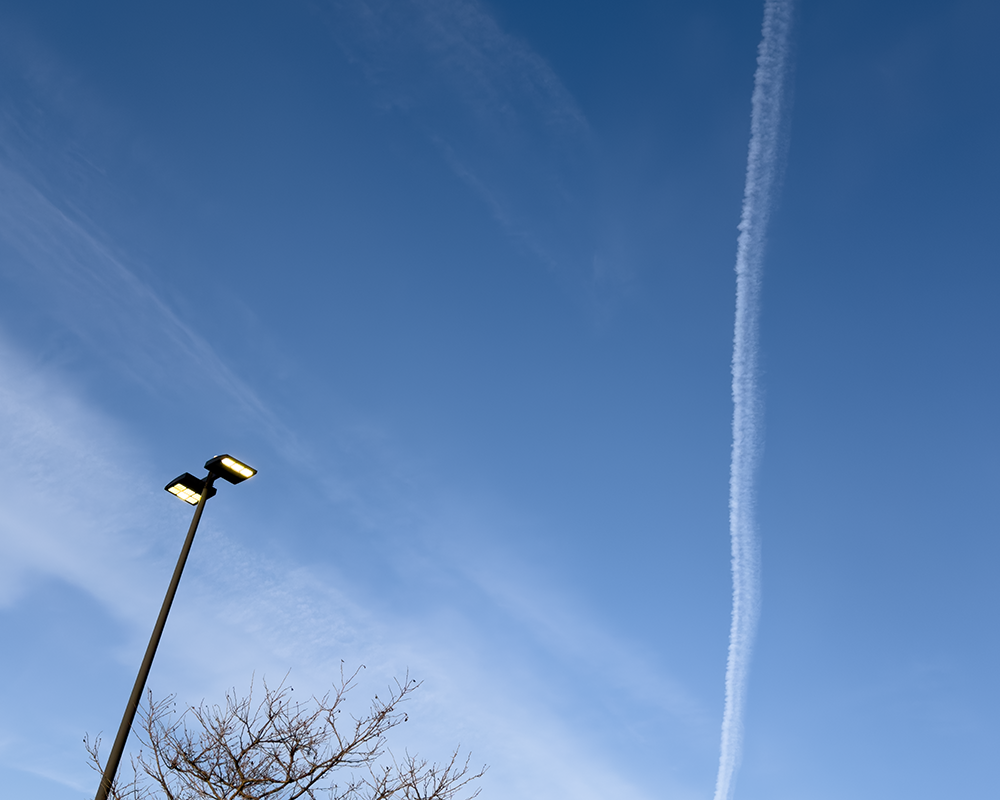
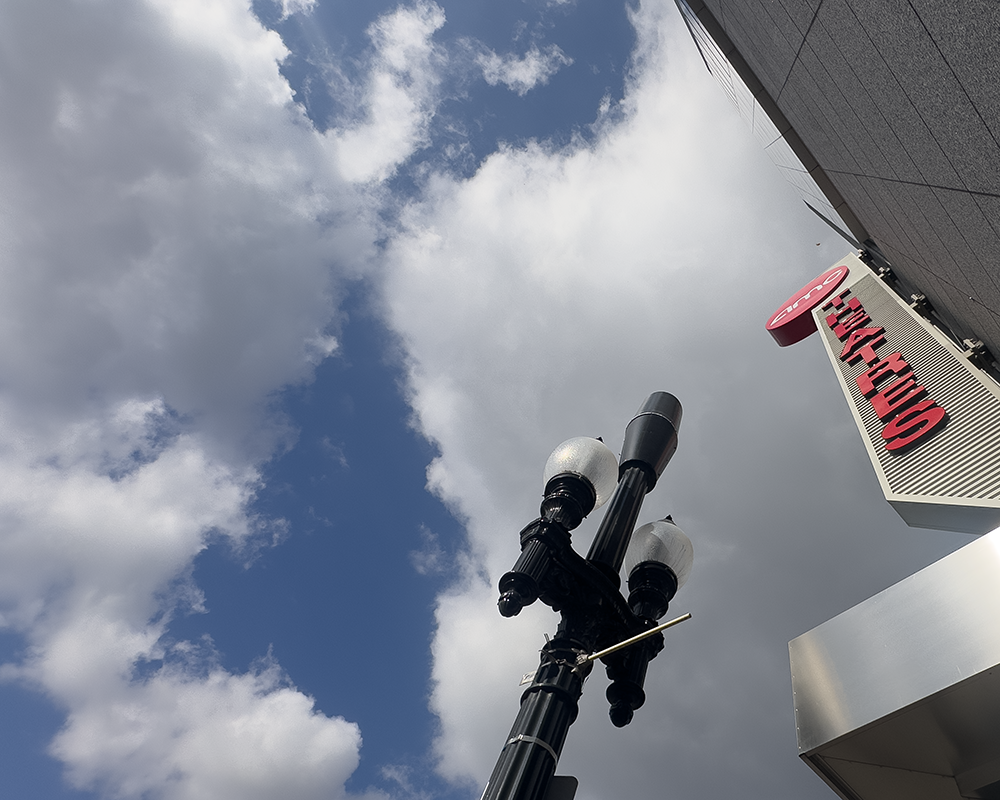
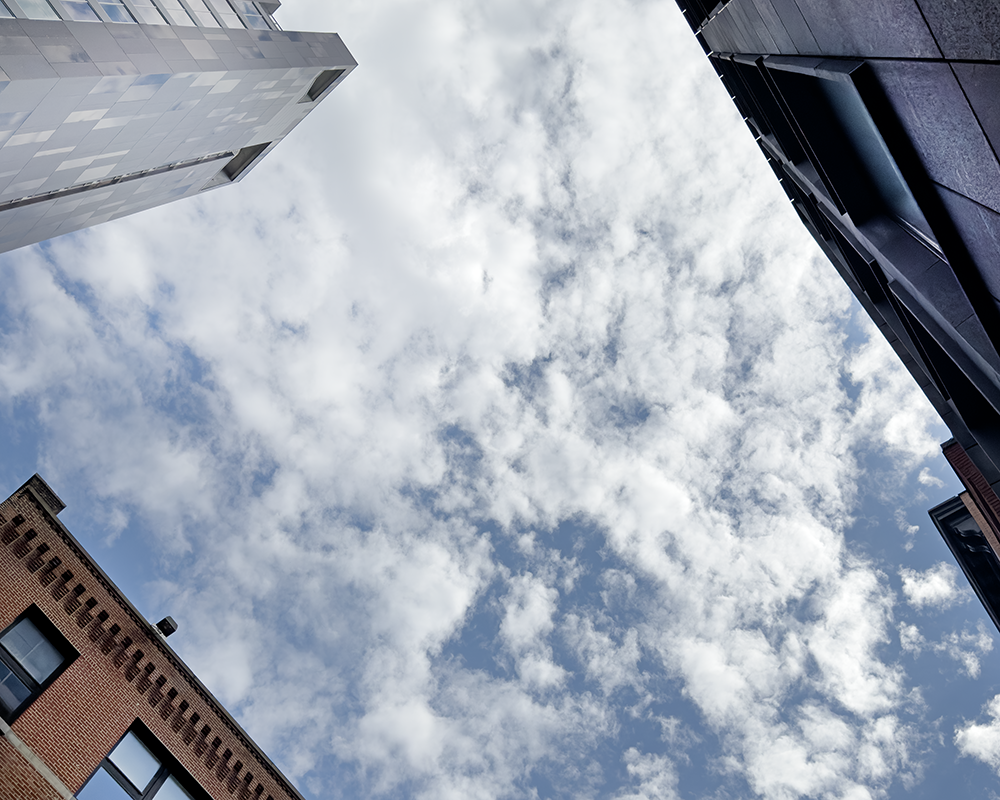
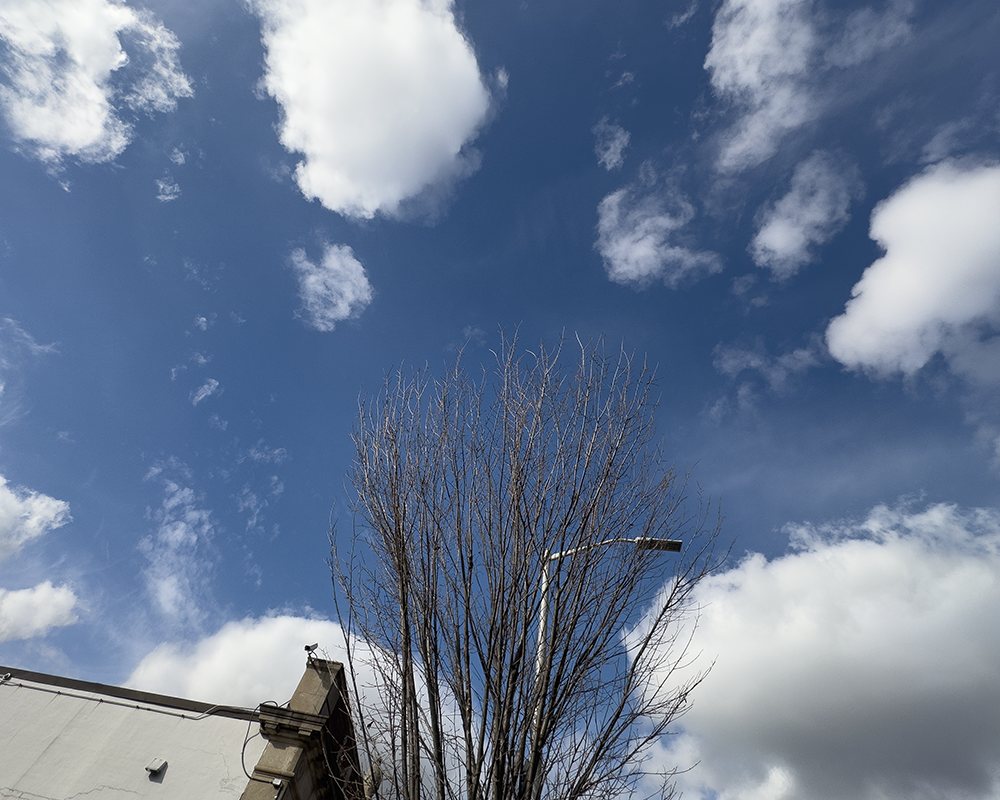
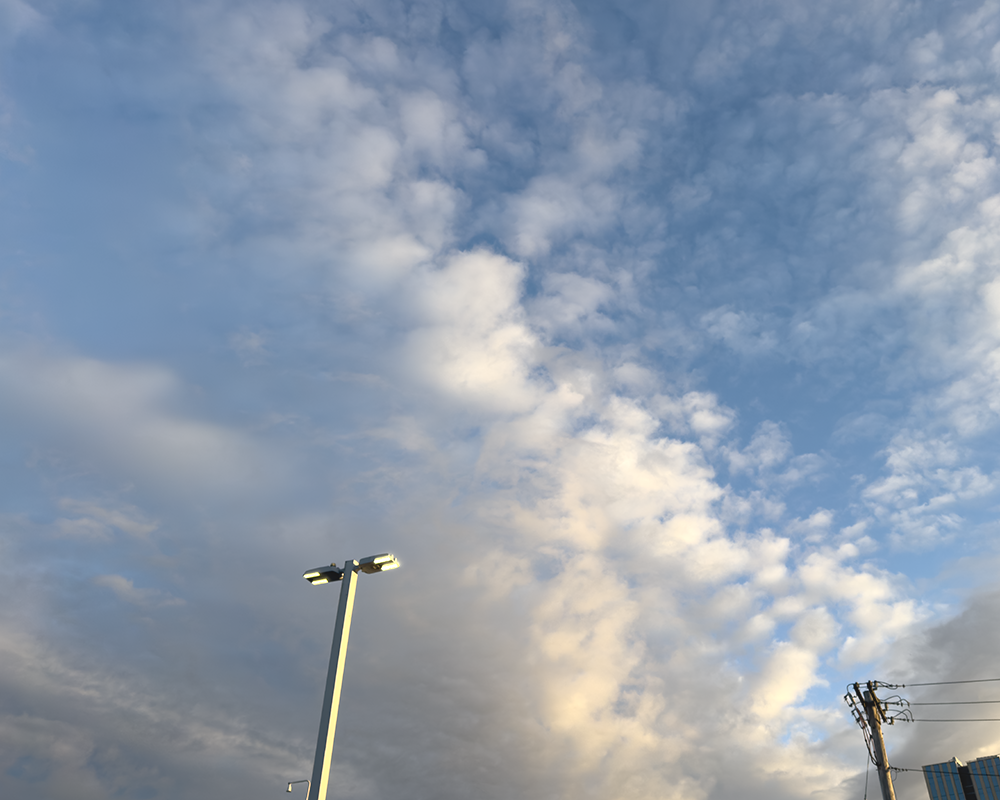
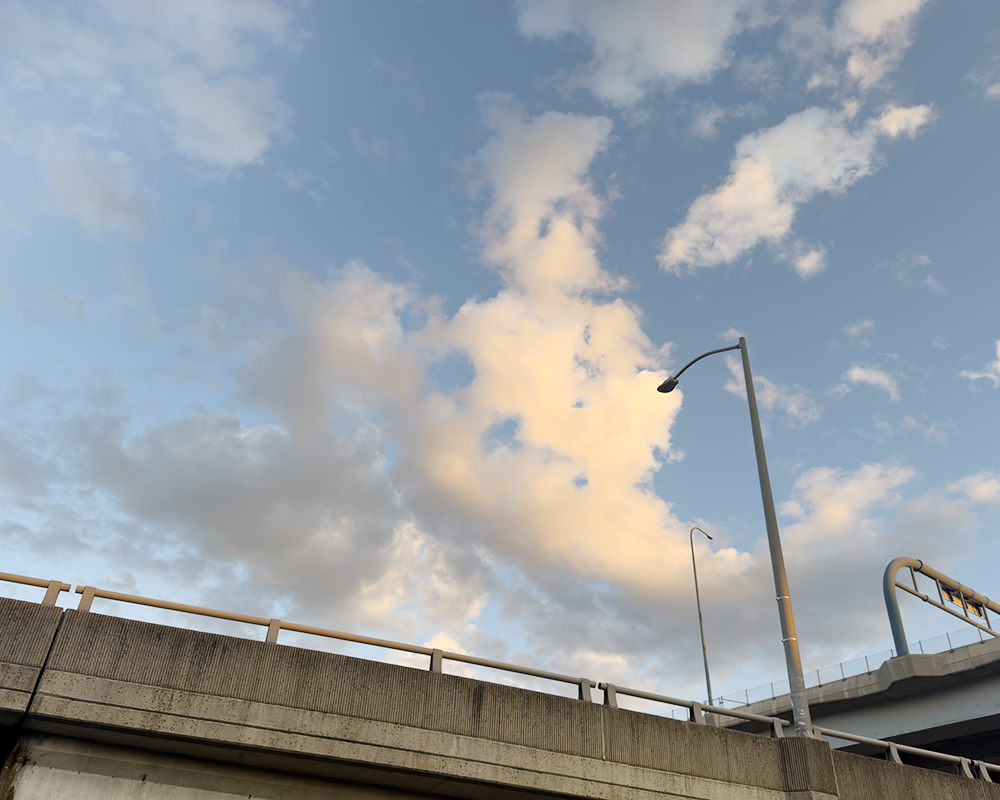
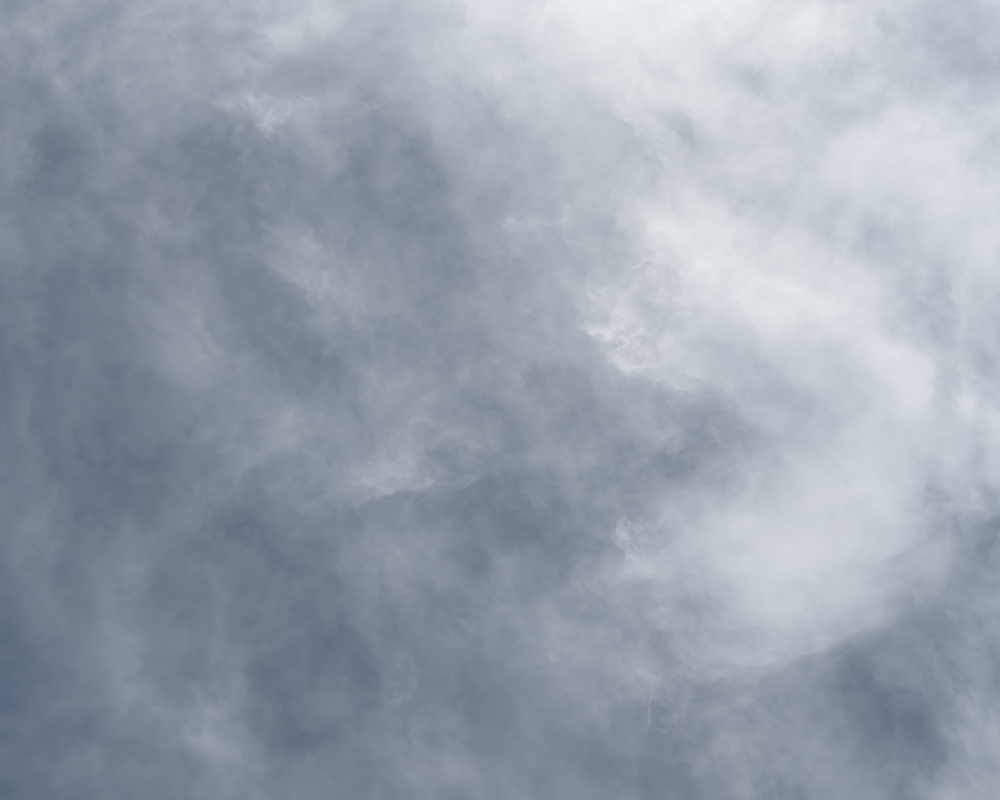
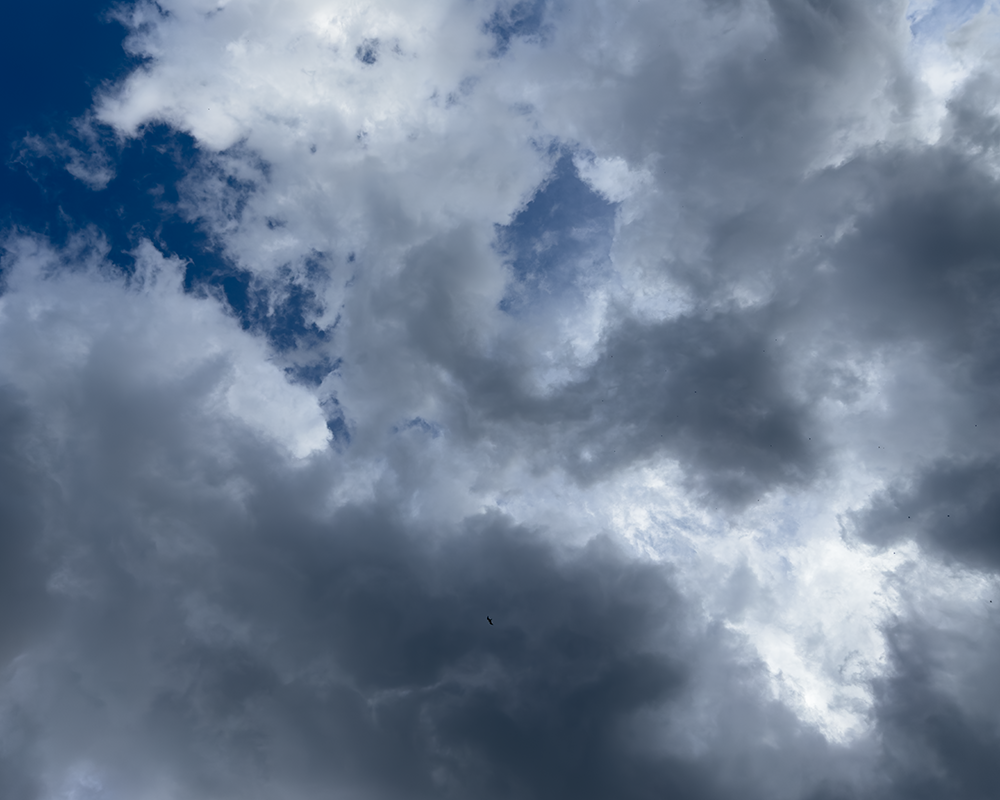
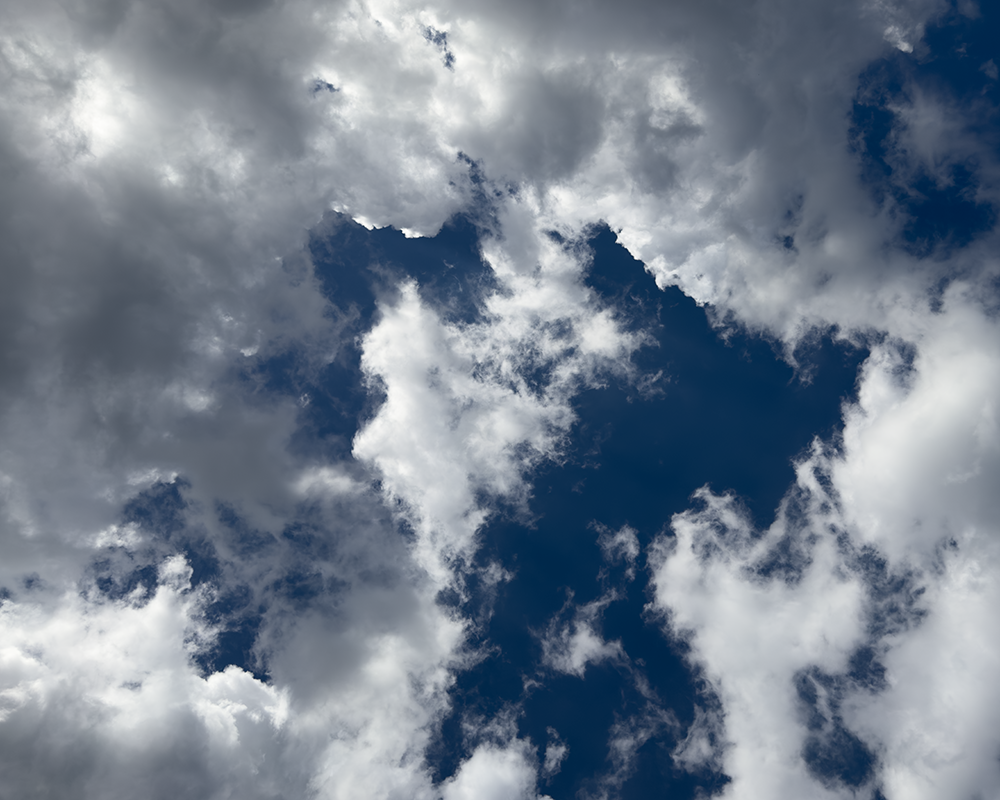
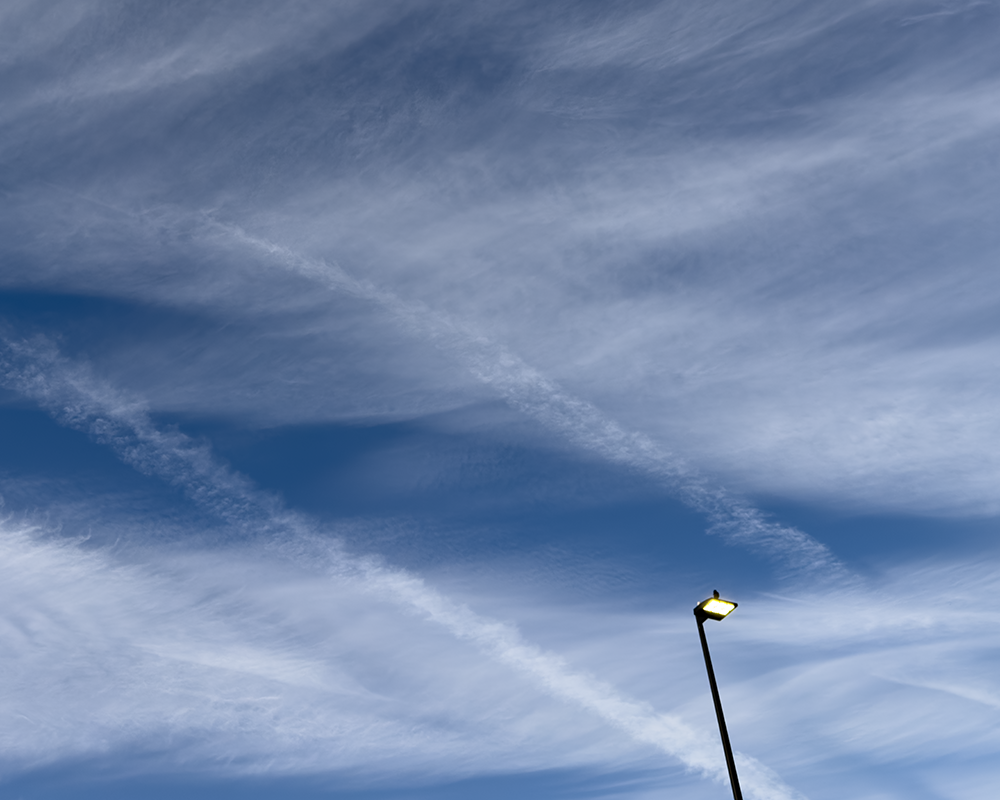
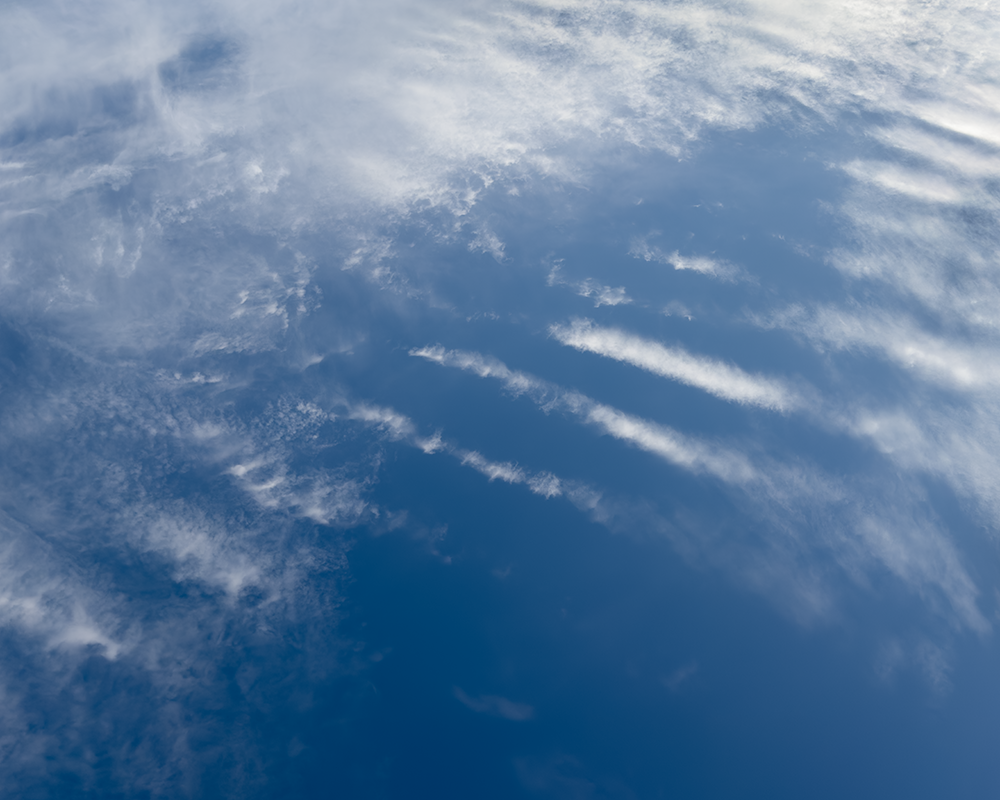
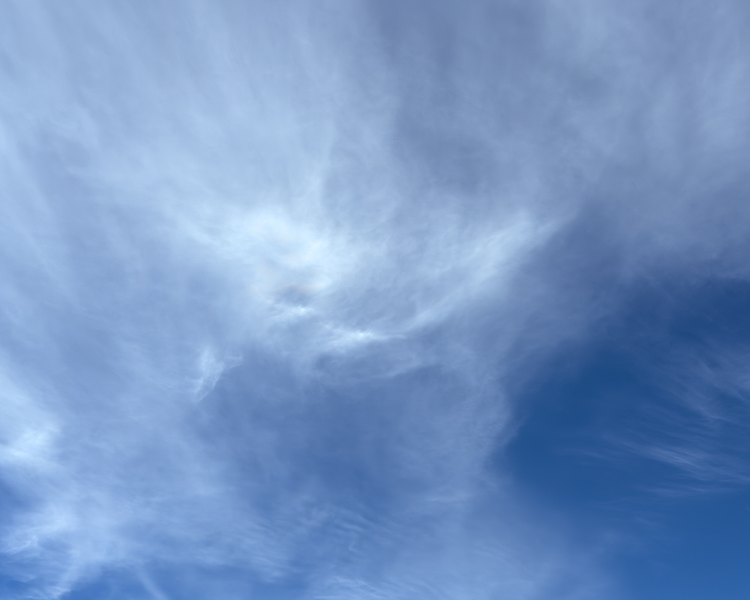
YONDER takes a look upward at the wild blue, from wherever you happen to be, at the constantly changing panorama over our heads.
These images reveal the little dramas in the ordinary: vast expanses, clear blue or cloudy, which are sometimes split by a jet trail or punctuated by a light pole or flag.
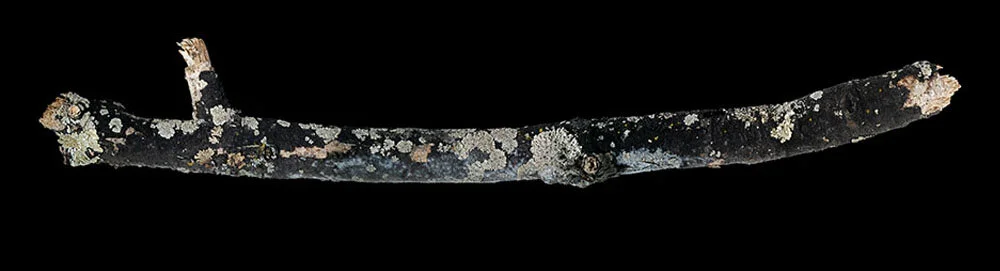
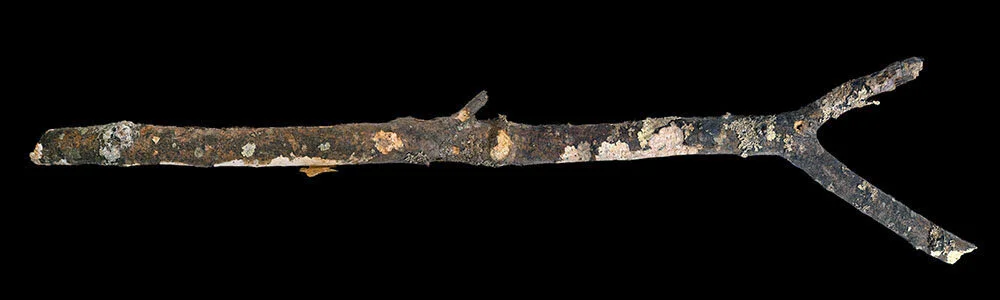
Symbolically, a broken branch represents a life cut short—often seen on the gravestone of a youth.
These found branches also function as partial portraits, as if the limbs shorn from classical statues were displayed on their own: a record of decay.
Viewed close up, in crisp detail, each torn branch is an individual momento mori of life's transience.
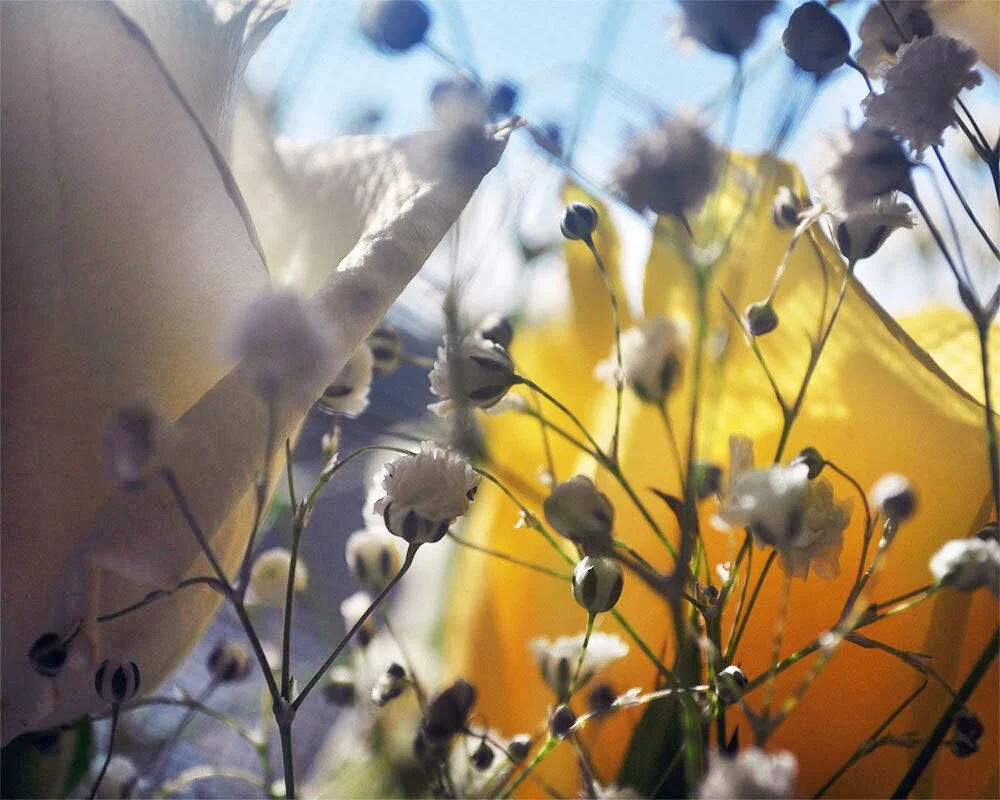
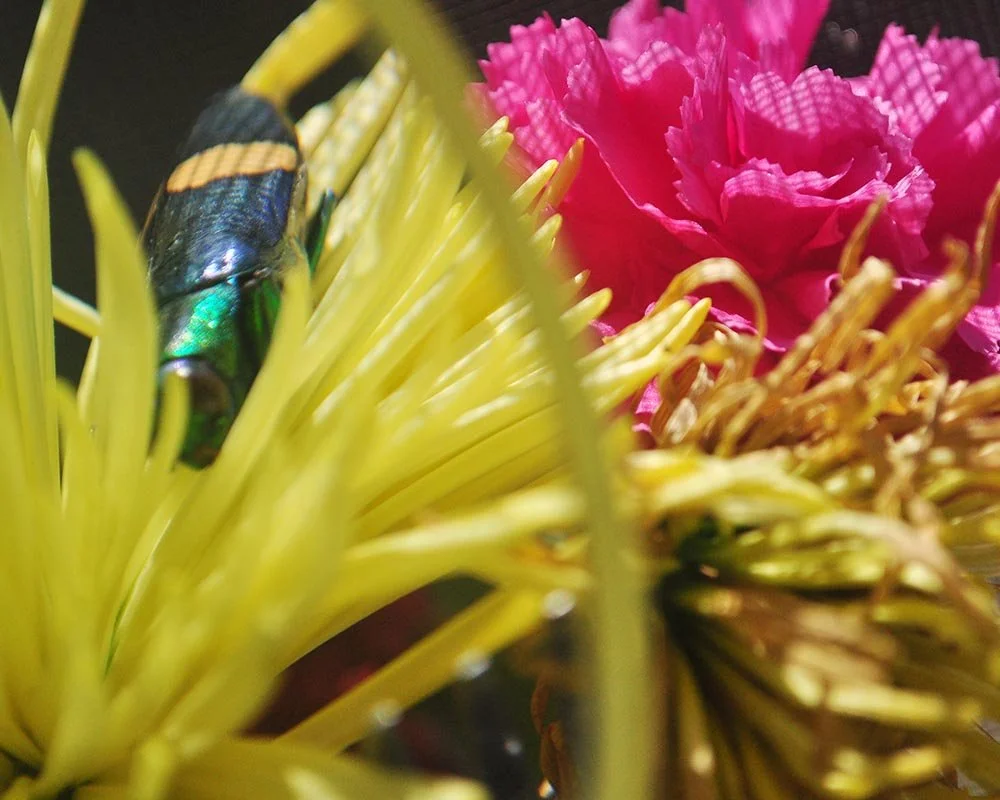
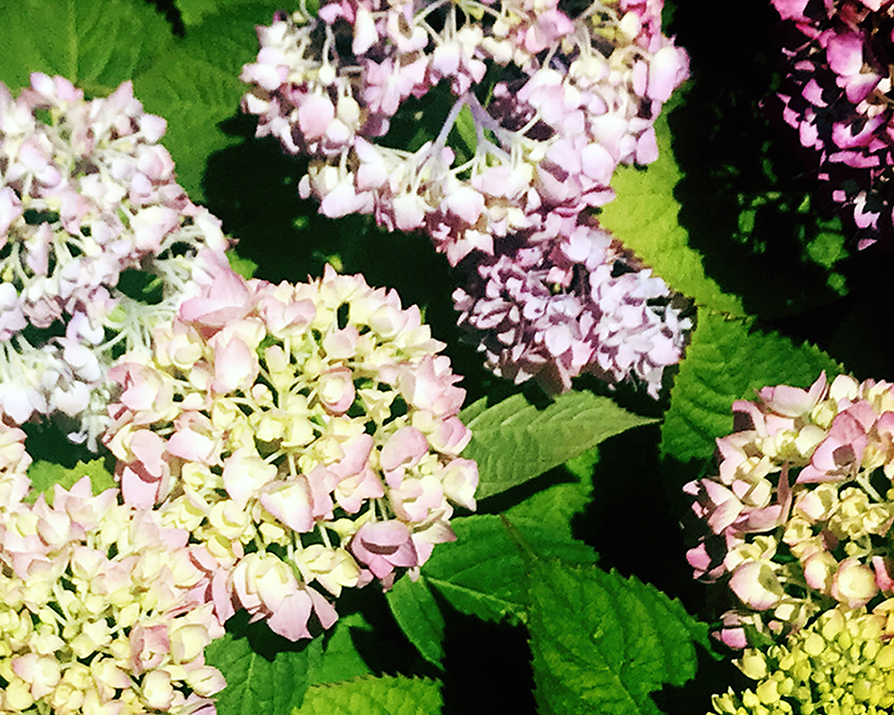
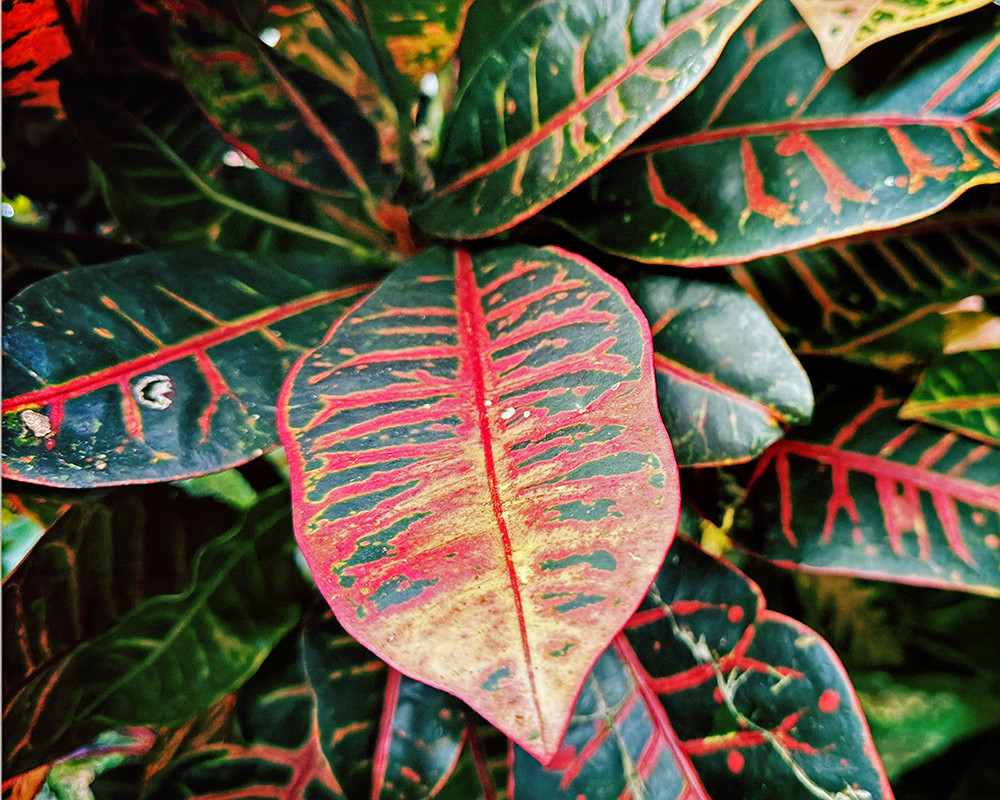
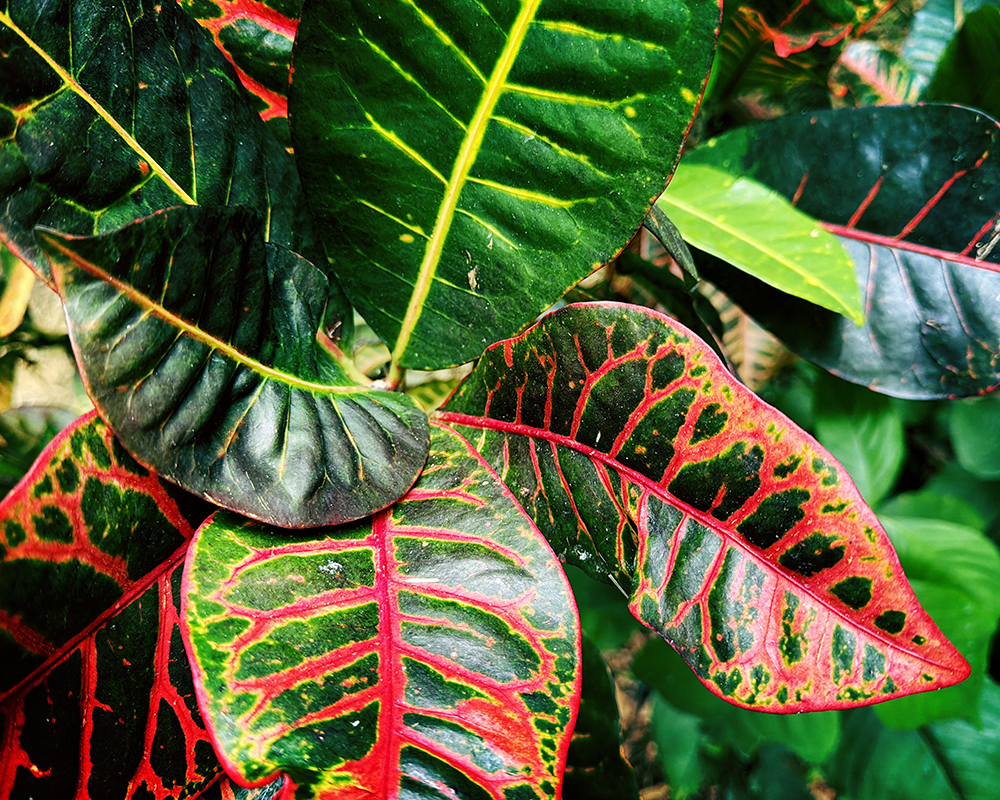
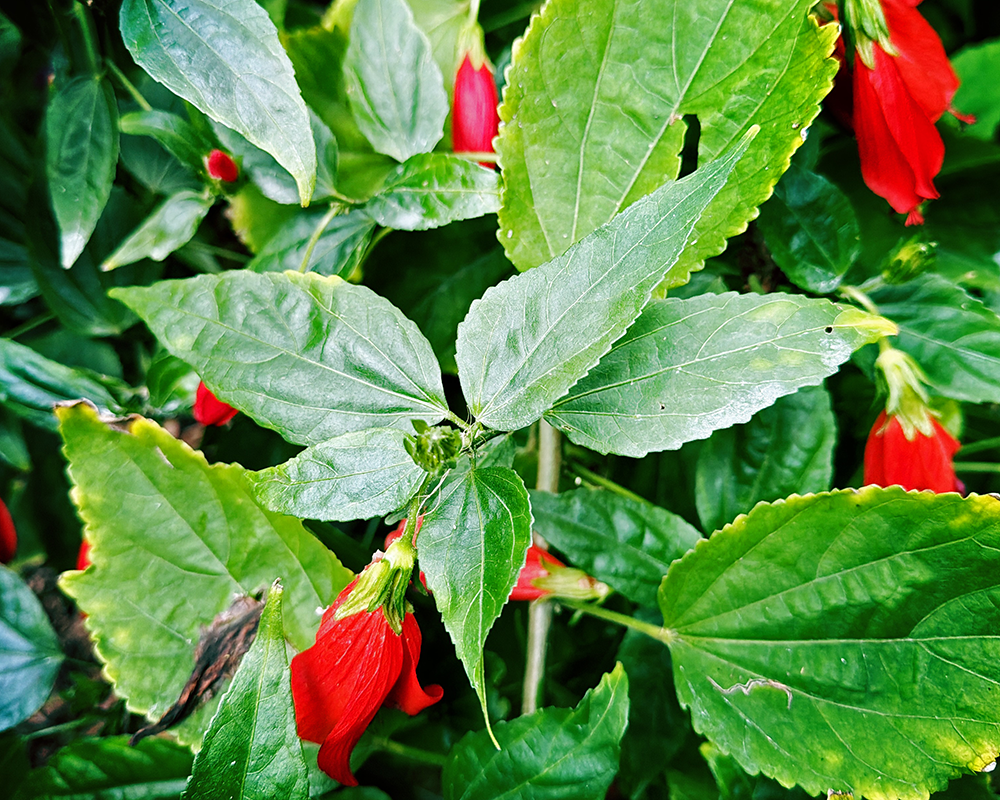
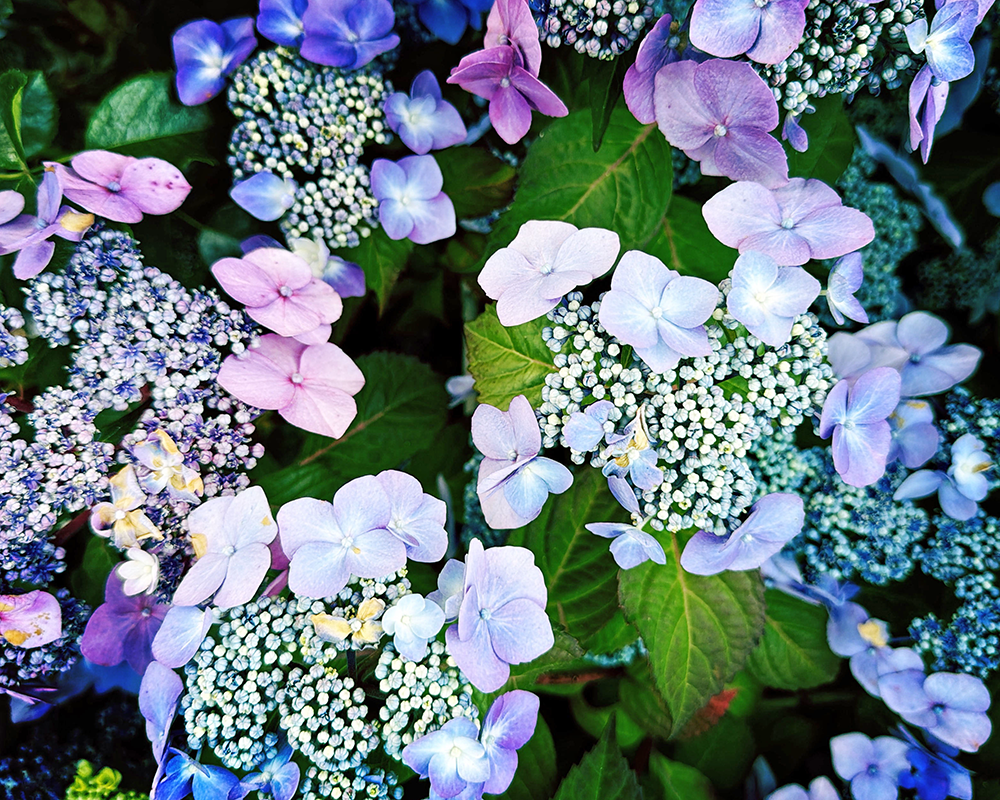
These florid closeups of flowers are in your face, over the top with their saturated crimsons, pinks, lemon-yellows and tangerines.
They burst from the frame to announce the wildness of their presence.
These images of university chalkboards, shot at the end of the day, reveal layers of erasures and reworking that mirror the learning process.
At times abstract as a cloud chamber, at others almost bare or starkly instructive, the "Glyphs" are reminiscent of cave drawings or ancient texts. Some are immediately readable and some are frustratingly opaque.
The photographs explore how language and memory hold onto ideas. In an era of electronic whiteboards, the green hue evokes a certain nostalgia. You can almost smell the chalk dust hanging in the air.
Pigment ink on canvas, 36" x 46".
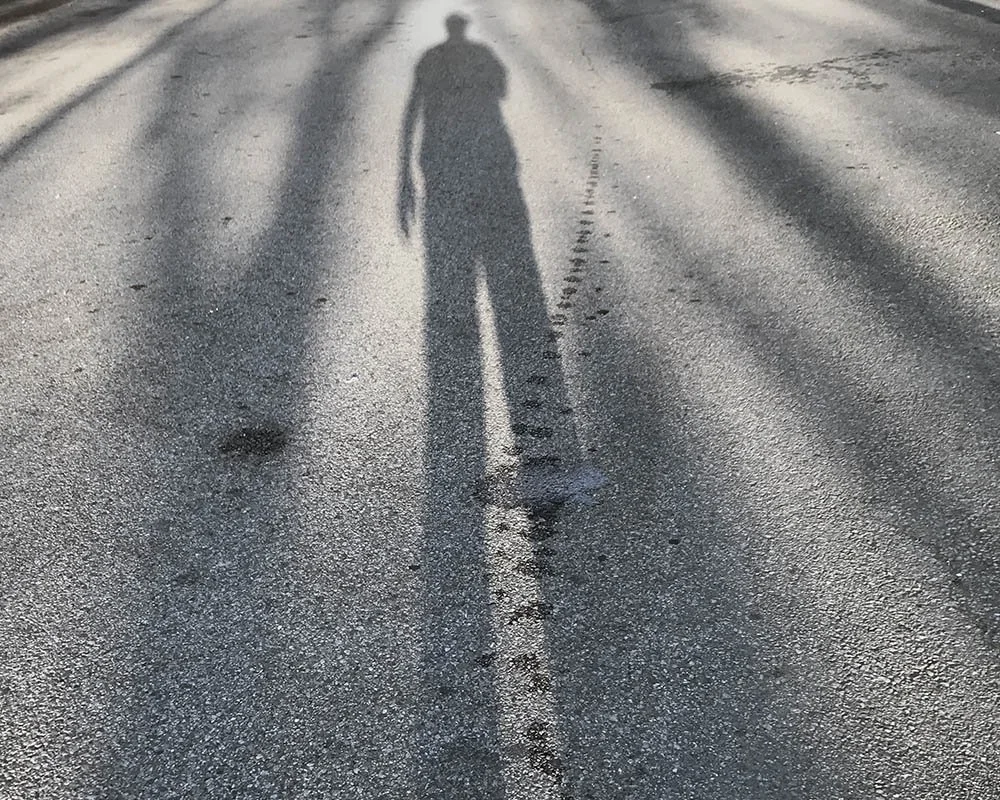
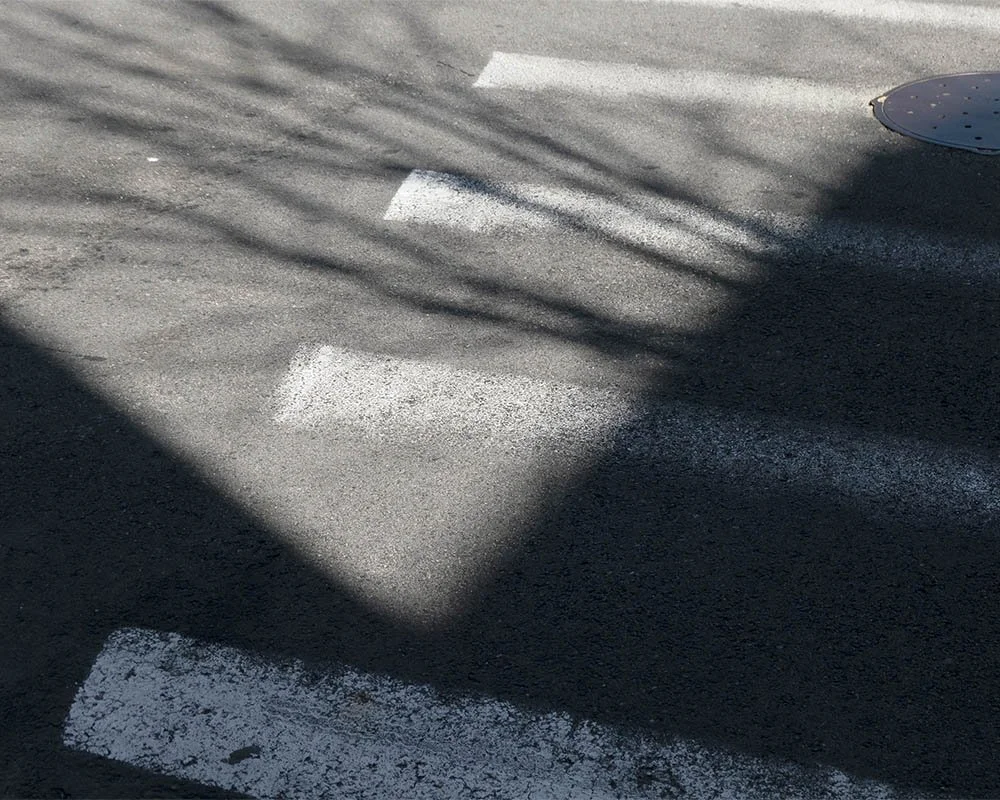
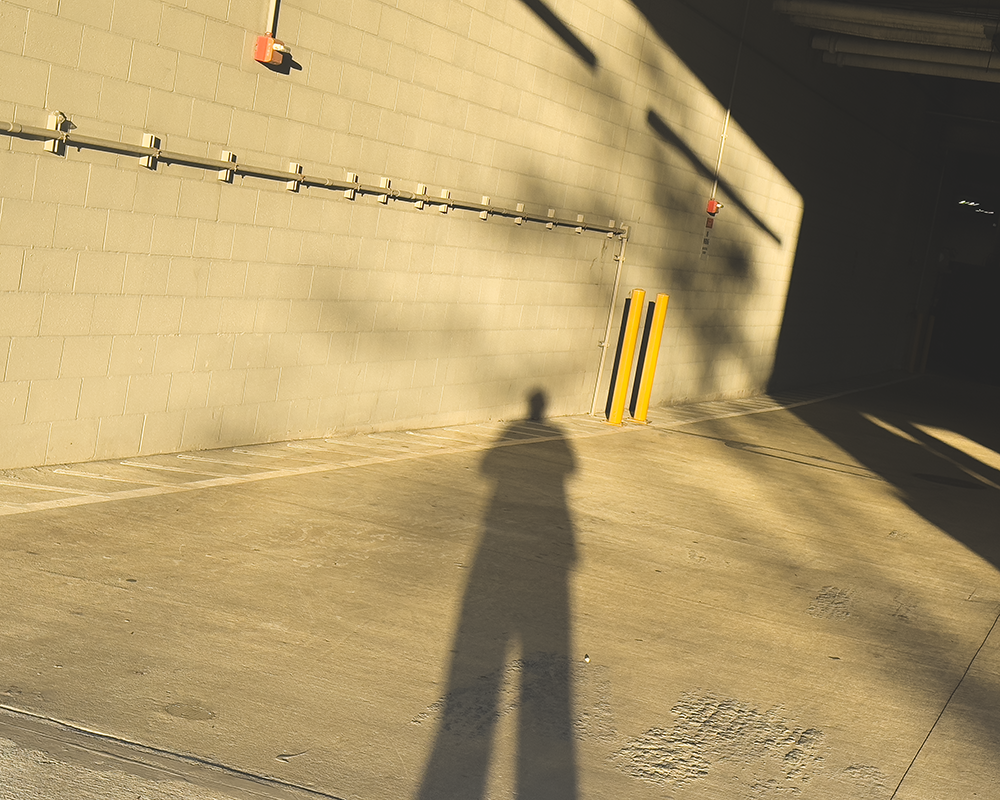
In these photos taken around the neighborhood, shadows of houses, trees, street signs, and telephone poles—as well as the photographer’s shadow—play across gritty pavement and cracked sidewalks.
Crosswalks, curbs and white dashes split some of the shadows, and bright yellow or orange spray-painted markings add a dash of color.
Together the shadows suggest a kind of alternate underworld that mirrors everyday reality.
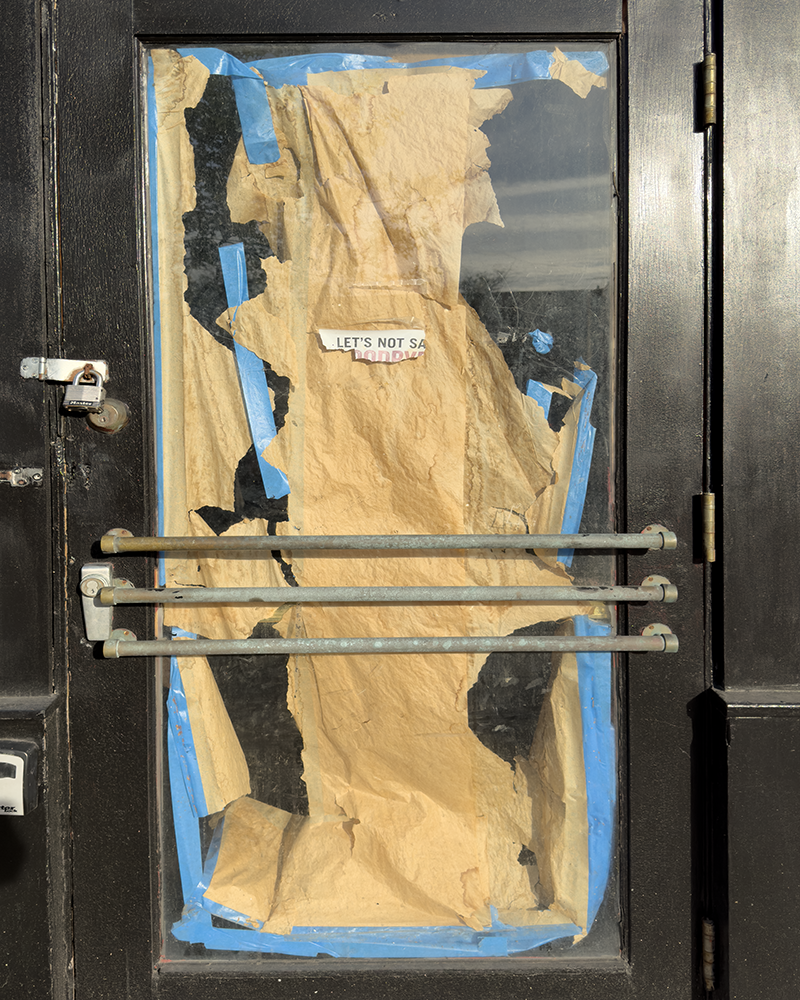
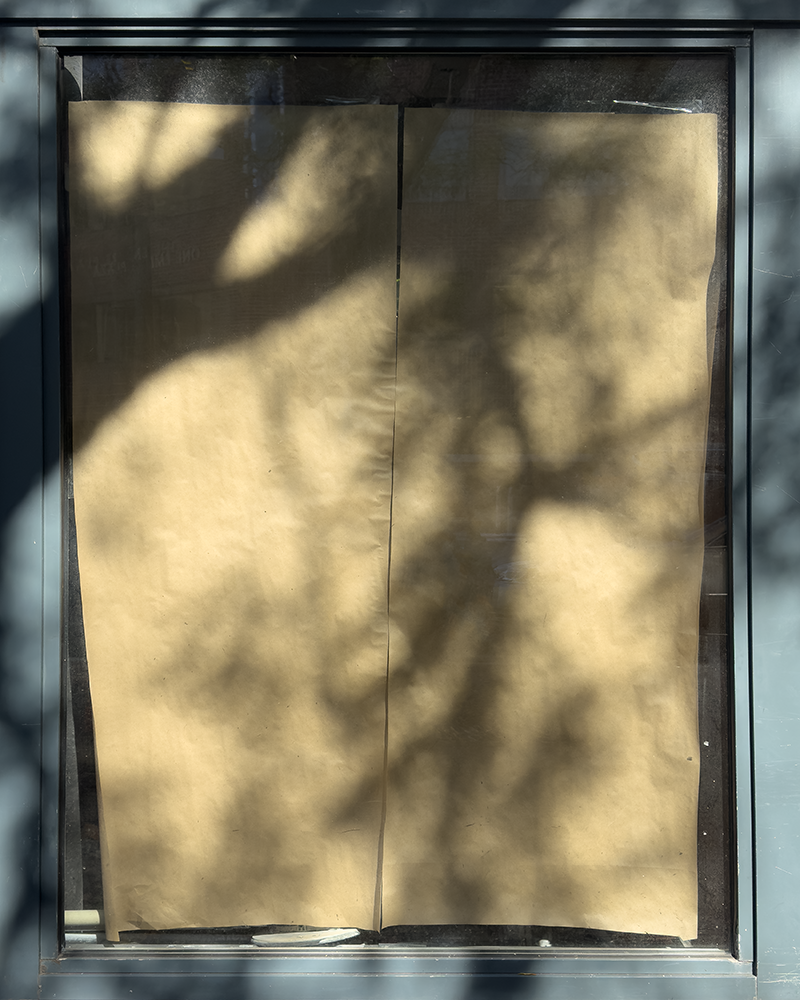
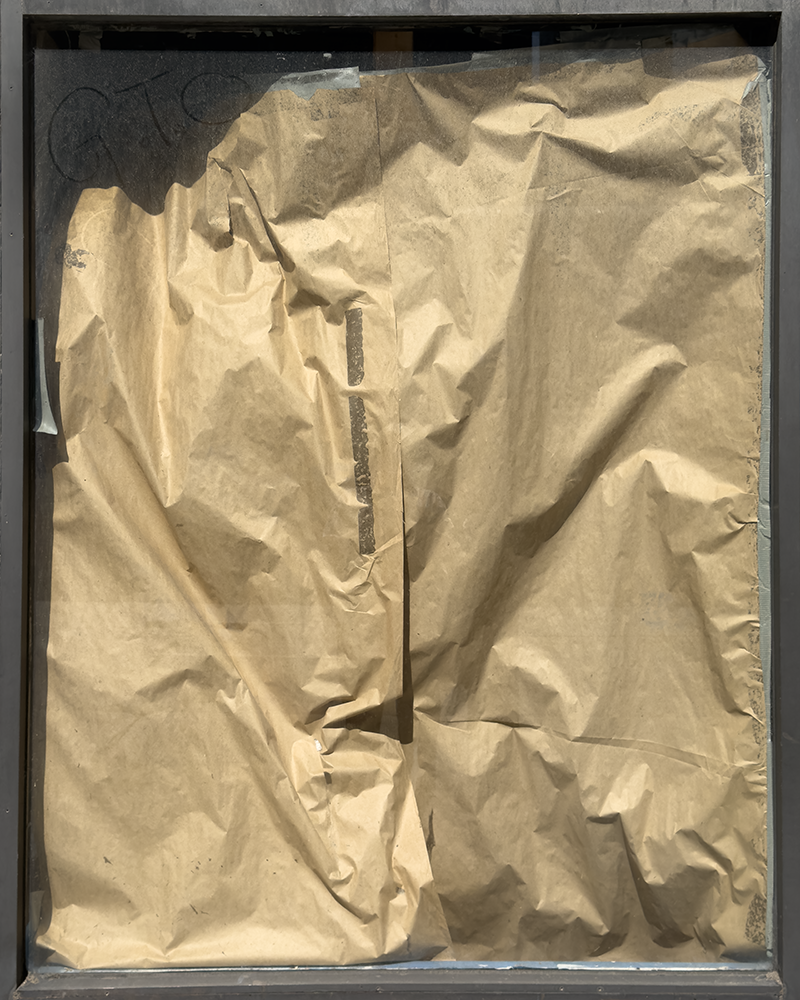
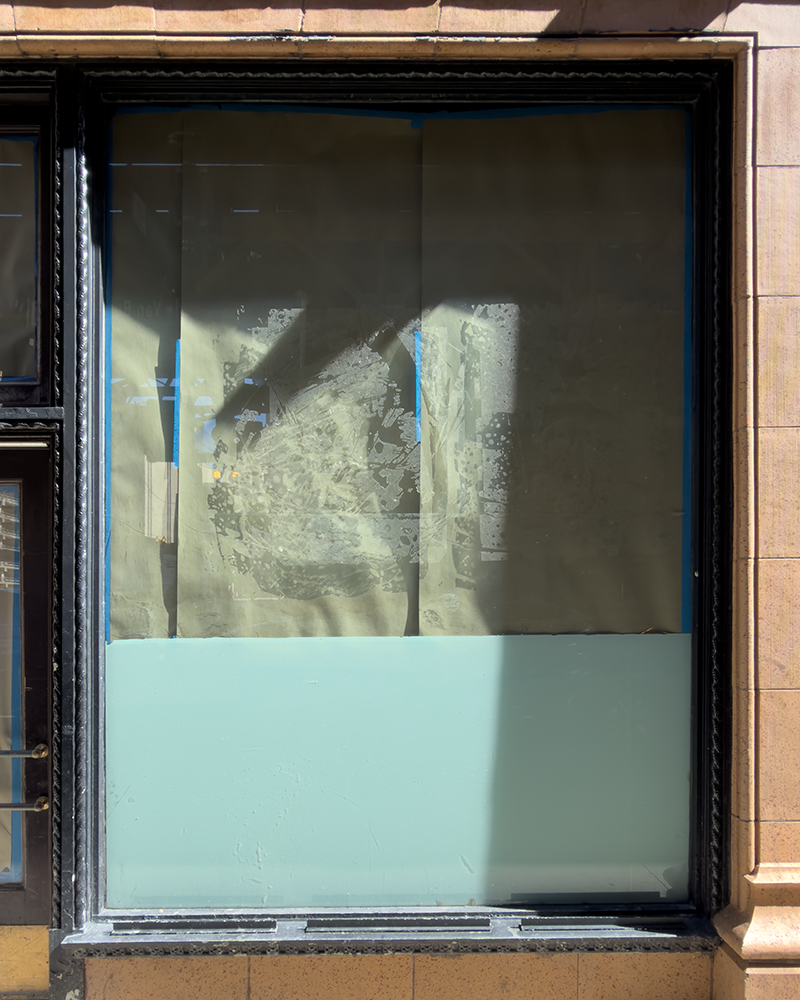
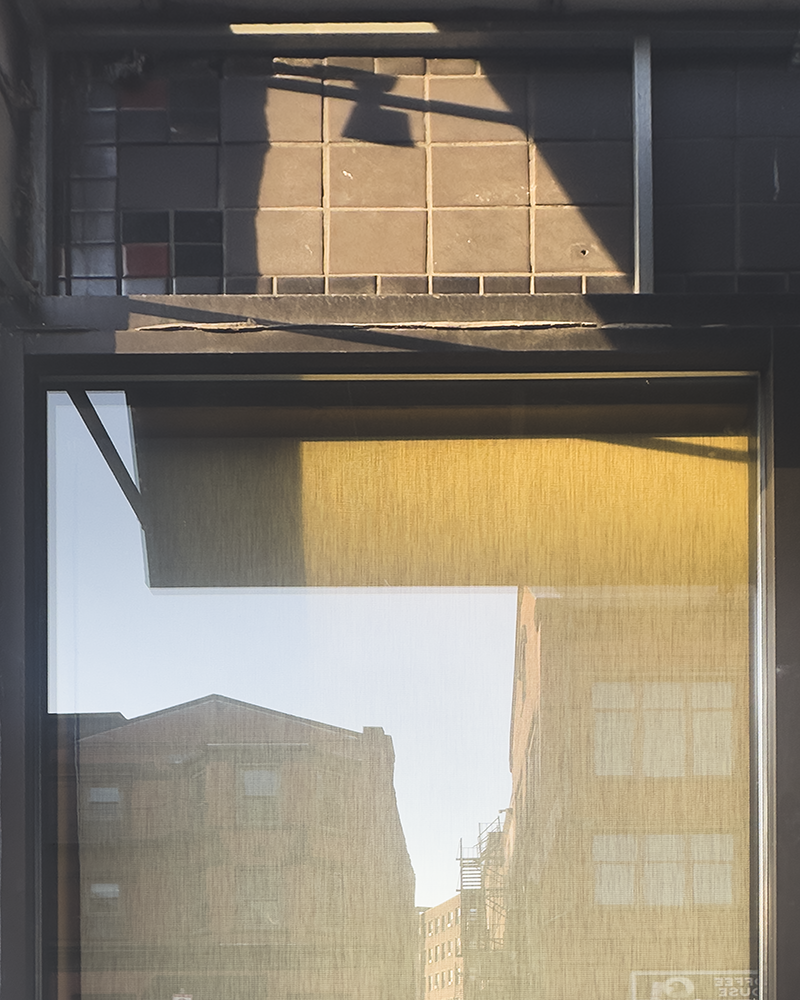
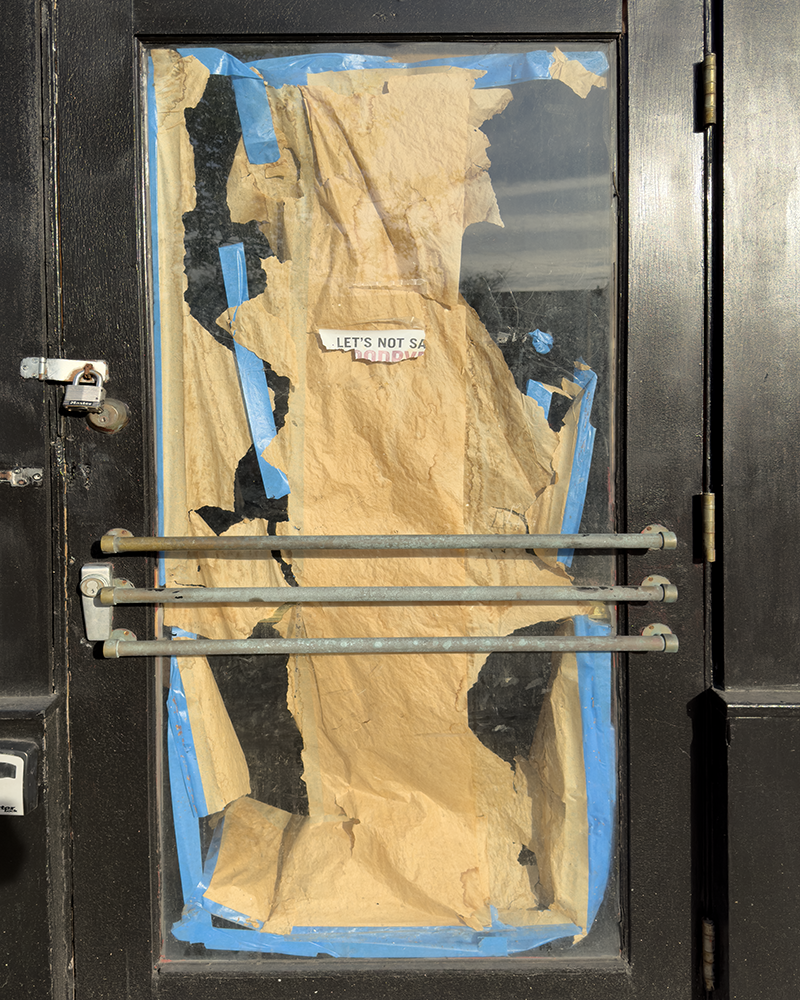
These shots of closed storefronts record the economic decline of America’s downtowns.